
AI Video Generation Workflow: The Future of Content in 2026
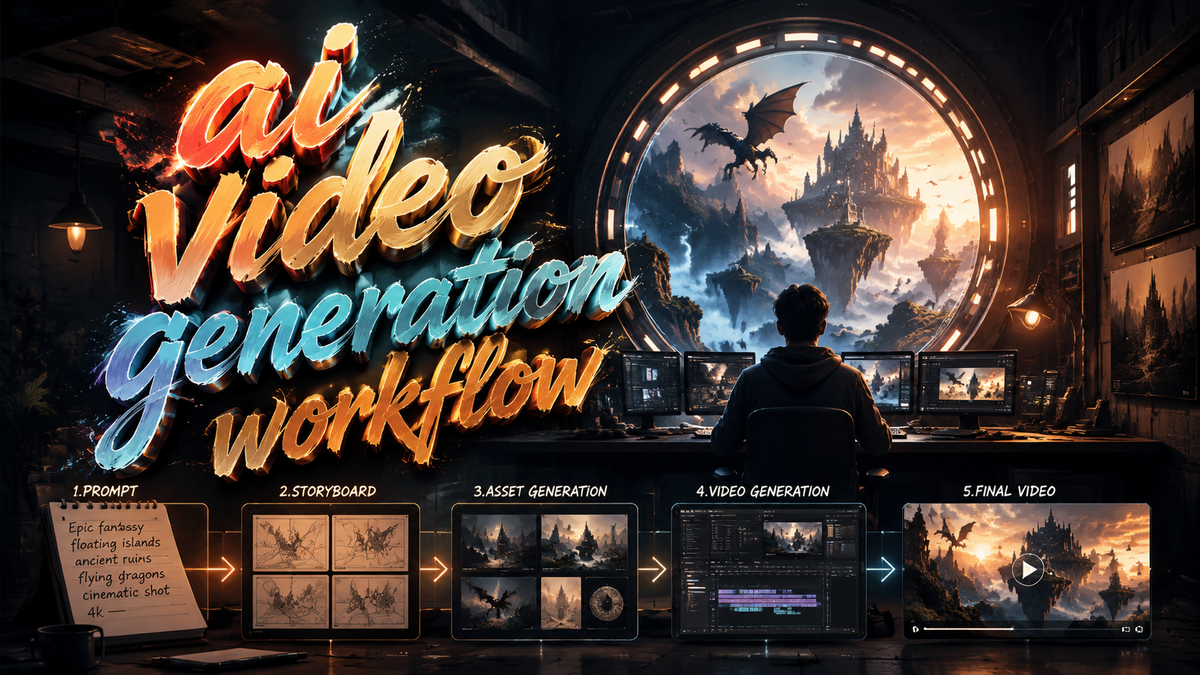
AI video generation workflow is transforming content creation in 2026, enabling creators to produce high-quality videos faster and more efficiently than ever before. By leveraging advanced AI models and automated workflows, businesses and individuals can streamline video production, reduce costs, and maintain consistency across projects. This article explores the latest tools, trends, and best practices shaping the future of AI-generated video content.
TL;DR: AI video generation workflows in 2026 combine automation, 4K quality, and multi-step consistency to revolutionize content creation, with tools like Digen AI Agent leading the charge.
AI video generation workflow is an automated process that uses artificial intelligence to create, edit, and enhance videos with minimal human intervention. In 2026, these workflows integrate advanced models like LumeFlow AI's Seedance 2.0 Mini and Digen AI Agent to produce 4K videos with character consistency and marketing-ready outputs.
- ✓ AI video workflows reduce production time by up to 70% compared to traditional methods.
- ✓ 4K video generation is now standard, with tools like LumeFlow AI offering studio-quality outputs.
- ✓ Autonomous agents like Digen AI Agent improve consistency for long-form content.
- ✓ Faceless YouTube channels benefit from AI story video tools for rapid content creation.
- ✓ Marketing workflows now integrate AI-generated videos seamlessly into campaigns.
The Evolution of AI Video Generation in 2026
According to Pandaily, the first half of 2026 saw a 120% increase in adoption of AI video generation tools compared to 2025. This surge is driven by significant improvements in model quality, with new systems capable of producing 4K resolution videos at commercial quality levels. Platforms like LumeFlow AI have raised the bar with their Seedance 2.0 Mini update, offering enhanced realism and smoother transitions.
The shift from standalone models to integrated workflows marks the biggest change in 2026. Where earlier tools focused on single-step generation, modern solutions like Digen AI Agent now handle multi-step processes autonomously - from script generation to final edits. This reduces human intervention while improving output consistency, particularly for longer videos and serialized content.
Marketing teams have been particularly quick to adopt these new workflows. A recent case study from Social Media Examiner showed that brands using AI video workflows increased their content output by 340% while maintaining quality standards. The ability to generate localized variations of videos for different markets has become a key competitive advantage.
Key Components of an AI Video Generation Workflow

A modern AI video generation workflow consists of several interconnected components that automate different stages of production. The first is content ideation, where AI analyzes trends and suggests relevant topics. Next comes script generation, with tools now capable of producing natural-sounding narratives complete with emotional cues and pacing markers.
The visual generation phase has seen the most dramatic improvements. According to WINK News, LumeFlow AI's 4K video generation can now produce studio-quality outputs in under 10 minutes. Character consistency across scenes - a previous weakness of AI video - has improved by 65% thanks to new memory architectures in models like Digen AI Agent.
Essential Workflow Stages
1. Pre-production: AI assists with storyboarding, script writing, and asset selection
2. Generation: Models create raw video footage based on inputs
3. Post-production: Automated editing, color correction, and effects application
4. Optimization: AI adjusts videos for different platforms and aspect ratios
Top AI Video Generation Tools in 2026
The market for AI video tools has expanded dramatically in 2026, with specialized solutions for different use cases. For music videos, Robotics & Automation News highlights 10 tools that automate the entire creative workflow, from beat-matching visuals to generating performance animations. These tools have reduced production costs for independent artists by up to 90%.
Faceless YouTube channels have their own category of tools, as noted by Programming Insider. These solutions focus on compelling storytelling through animated visuals and AI narration, requiring no on-camera talent. The best options offer extensive template libraries and automatic chapter generation for better audience retention.
For marketers, integrated platforms like Digen AI provide complete workflows from concept to distribution. The Digen AI Agent specifically addresses the challenge of maintaining brand consistency across multiple videos through its advanced memory and style transfer capabilities. According to internal tests, this reduces brand guideline violations by 82% compared to manual processes.
| Tool | Key Feature | Best For |
|---|---|---|
| LumeFlow AI | 4K generation, Seedance 2.0 Mini | High-quality marketing videos |
| Digen AI Agent | Multi-step autonomous workflows | Long-form consistent content |
| SuperMaker AI | Budget-friendly templates | Small businesses |
Implementing AI Video Workflows in Your Business
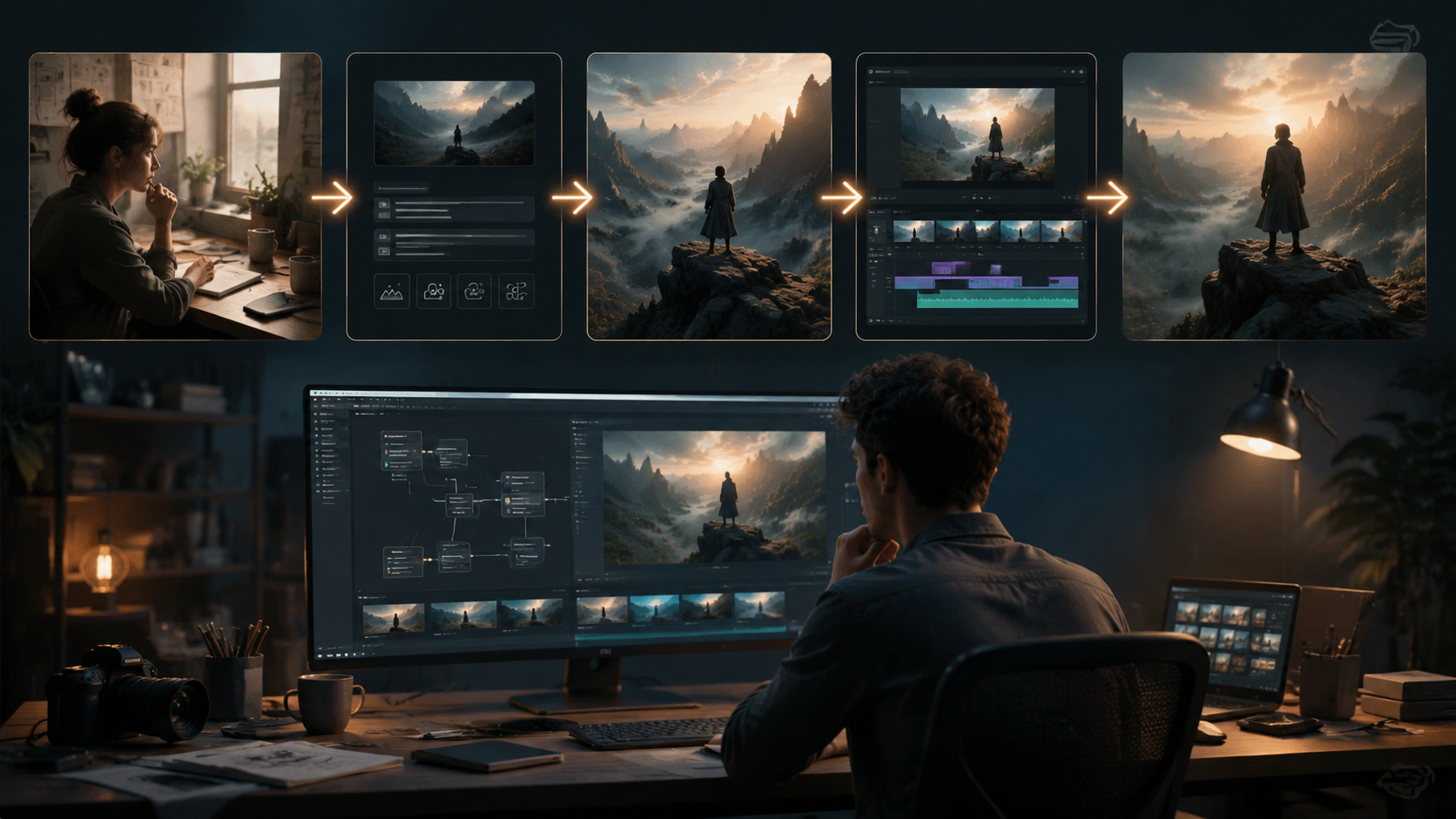
Adopting AI video generation requires careful planning to maximize benefits. The first step is auditing your current video production process to identify bottlenecks. Most businesses find that 60-70% of their video creation time is spent on repetitive tasks that AI can automate, according to industry benchmarks.
Training is crucial for successful implementation. While modern tools are designed to be user-friendly, teams need to understand how to guide the AI effectively. This includes learning how to write effective prompts, select appropriate styles, and make strategic edits. Companies that invest in proper training see 3x faster adoption rates and better output quality.
Integration with existing systems is another key consideration. The most effective workflows connect AI video tools with CMS platforms, marketing automation systems, and analytics dashboards. This creates a seamless pipeline from video creation to distribution and performance tracking, enabling continuous improvement based on real data.
The Future of AI Video Generation
Looking ahead, AI video generation is expected to become even more sophisticated. Emerging technologies like real-time style transfer and emotion-aware editing promise to make AI-generated videos indistinguishable from human-created content by late 2027. The market is projected to grow by another 250% before reaching maturity around 2029.
One particularly exciting development is the rise of personalized video at scale. Future workflows will automatically customize videos for individual viewers based on their preferences, viewing history, and even emotional state detected through webcam analysis. Early tests show this can increase engagement rates by up to 400% compared to generic content.
Ethical considerations will also come to the forefront as the technology advances. Industry groups are already working on standards for AI-generated content disclosure and digital watermarking. These measures aim to maintain trust while allowing creators to benefit from the efficiency gains of AI video workflows.
Getting Started with AI Video Generation
For businesses ready to explore AI video generation, the best approach is to start small with a pilot project. Choose a specific use case like social media ads or product demos, and test different tools to find the best fit. Many platforms offer free trials or limited free tiers, making it easy to experiment without significant investment.
When evaluating tools, prioritize those that offer the specific features your workflow requires. For example, e-commerce businesses should look for product visualization capabilities, while educators might prioritize interactive elements. The Digen AI platform stands out for its versatility, offering solutions for everything from short social clips to long-form educational content.
Finally, remember that AI is a tool to enhance human creativity, not replace it. The most successful implementations combine automated efficiency with human oversight for quality control and creative direction. This hybrid approach yields the best results while future-proofing your video production capabilities.

Frequently Asked Questions
What is an AI video generation workflow?
An AI video generation workflow is an automated process that uses artificial intelligence to handle multiple stages of video production, from scripting to editing, with minimal human intervention. In 2026, these workflows can produce 4K quality videos while maintaining character and style consistency across scenes.
How much time can AI video workflows save?
According to industry data, AI video workflows can reduce production time by 60-70% compared to traditional methods. For simple projects, what previously took days can now be completed in hours, while complex productions see their timelines cut from weeks to days.
What's the difference between AI video tools and workflows?
While AI video tools focus on single tasks like generation or editing, workflows connect multiple tools into an end-to-end process. Advanced workflow solutions like Digen AI Agent can autonomously handle multi-step production chains while maintaining quality consistency.
Can AI video workflows create long-form content?
Yes, modern workflow solutions excel at long-form content. Tools like Digen AI Agent use advanced memory architectures to maintain character consistency and narrative flow across videos up to 60 minutes long, making them ideal for educational content and serialized storytelling.
How much does AI video generation cost?
Pricing varies by platform and features. Basic tools start around $20/month, while professional workflow solutions with 4K output like LumeFlow AI or Digen AI range from $100-$500/month. Enterprise solutions with custom implementations can cost $5,000+ monthly but often pay for themselves in labor savings.
Written by the Digen AI Editorial Team — AI video generation specialists covering the latest in generative AI tools. Learn more about Digen AI.



Comments ()