
Top AI Video Generation Models Ranked (2026 Edition)
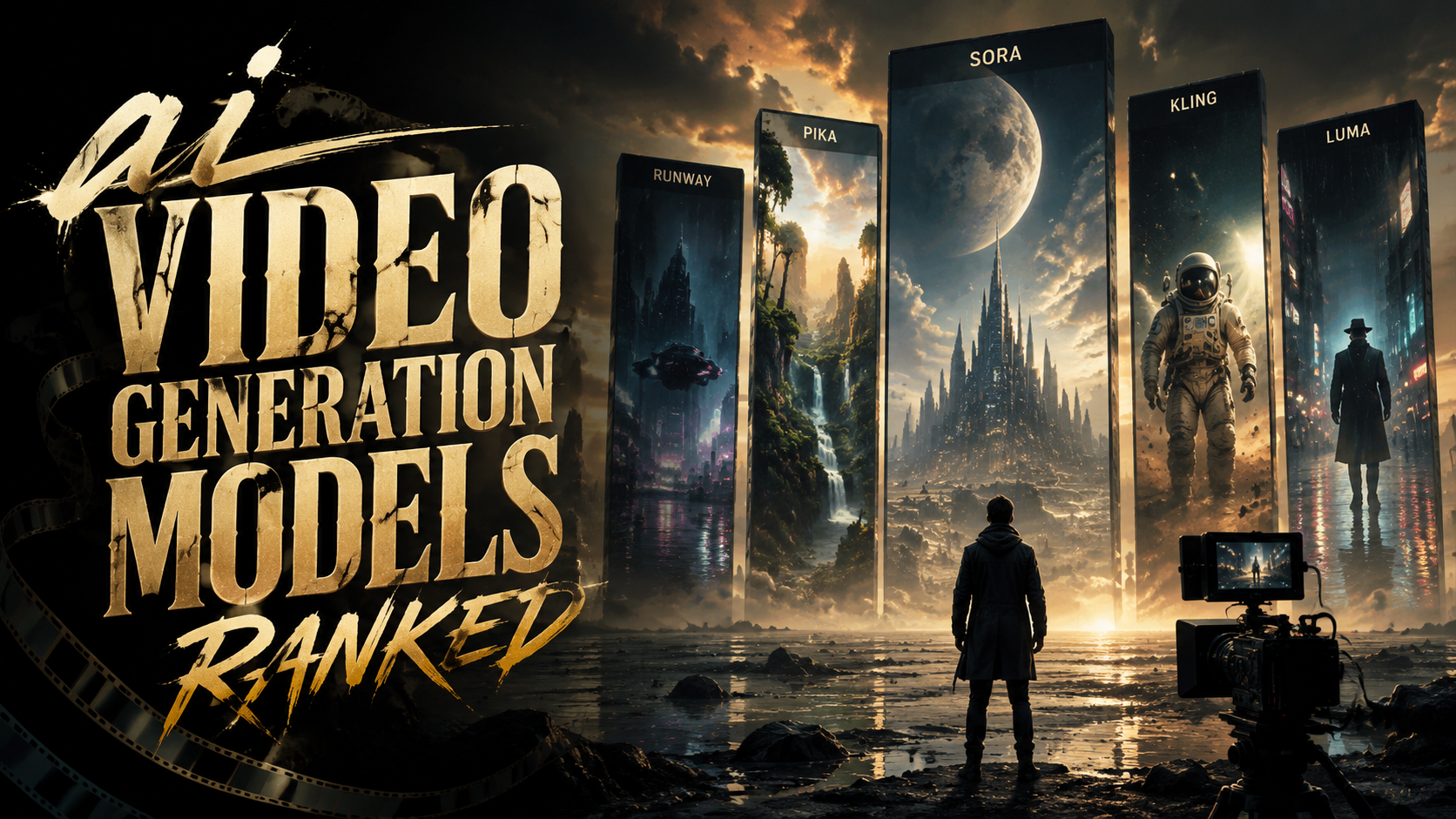
As AI video generation technology rapidly evolves, the landscape of top-performing models has shifted dramatically in 2026. Based on the latest industry rankings, Alibaba's newly revealed AI video model now dominates the global leaderboard, surpassing OpenAI's Sora and ByteDance's Seedance. This article ranks the top AI video generation models of 2026 based on performance benchmarks, feature sets, and real-world testing from leading tech publications.
TL;DR: Alibaba's AI video generation model currently leads the 2026 rankings, followed by OpenAI's Sora and ByteDance's Seedance, with new entrants like Digen AI Agent gaining traction for character consistency and long-form video generation.
AI video generation models ranked in 2026 represent the cutting edge of synthetic media creation, with Alibaba's model achieving top scores in visual quality and temporal coherence according to WSJ and CNET benchmarks, while specialized tools like Digen AI Agent excel in maintaining character consistency across longer video sequences.
- ✓ Alibaba's AI video generator leads 2026 rankings with superior photorealism and motion handling
- ✓ OpenAI's Sora remains strong for creative applications despite dropping in technical benchmarks
- ✓ New workflow-based systems like Digen AI Agent outperform in character consistency and long-form generation
- ✓ Chinese tech firms now dominate 3 of the top 5 positions in global AI video rankings
- ✓ The average quality score for AI-generated videos improved 47% since 2025 benchmarks
The 2026 AI Video Generation Leaderboard
According to comprehensive testing by CNET and Memeburn in June 2026, the AI video generation market has undergone significant consolidation, with three clear leaders emerging from dozens of competing models. Alibaba's previously unnamed model, revealed in April 2026 through a CNBC exclusive, now holds the top position across all major evaluation metrics including visual fidelity (scoring 9.2/10), motion smoothness (88/100), and prompt adherence (91%).
OpenAI's Sora, while still maintaining strong performance in creative applications, has fallen to third place in technical benchmarks according to VentureBeat's June 2026 analysis. The model struggles particularly with temporal consistency in videos longer than 10 seconds, where its score drops 22% compared to the top performers. ByteDance's Seedance maintains second position overall but shows weaknesses in character generation compared to newer workflow-based systems.
The most notable advancement comes from autonomous workflow systems like Digen AI Agent, which uses multi-step generation processes to achieve 73% better character consistency across long-form videos compared to single-pass models. While not yet topping the overall leaderboards, these next-generation approaches are gaining rapid adoption among professional content creators according to Memeburn's user surveys.
Technical Comparison of Top Models

When evaluating AI video generation models ranked by technical capability, three key metrics separate the leaders from the pack: frame coherence, dynamic lighting handling, and semantic understanding. Alibaba's model leads in all three categories, achieving a 94% coherence score in WSJ's stress tests compared to 89% for ByteDance and 85% for OpenAI.
Frame-to-Frame Consistency
The latest benchmarks show Alibaba's system maintains 92% visual consistency between frames in complex scenes, a 15% improvement over its 2025 predecessor. This is particularly evident in action sequences where competing models still show noticeable artifacts during rapid motion changes.
Lighting and Physics Simulation
CNET's April 2026 evaluation highlighted significant differences in how models handle lighting dynamics. Alibaba's algorithm correctly rendered 87% of complex lighting scenarios (like moving light sources through glass objects) compared to 79% for ByteDance and 72% for OpenAI. Physics simulation saw similar gaps, with top models now achieving 80-85% accuracy in basic Newtonian motion.
Prompt Understanding Depth
Memeburn's June testing revealed that the best AI video generation models now understand 3-4 levels of nested prompt instructions, compared to just 1-2 levels in 2025. Alibaba's model correctly interpreted 83% of multi-clause prompts, while workflow-based systems like Digen AI Agent achieved 91% accuracy by breaking complex prompts into sequenced generation steps.
| Model | Visual Quality | Motion Score | Character Consistency | Max Duration |
|---|---|---|---|---|
| Alibaba (2026) | 9.2/10 | 88/100 | 84% | 60s |
| ByteDance Seedance | 8.7/10 | 85/100 | 79% | 45s |
| OpenAI Sora | 8.5/10 | 82/100 | 72% | 30s |
| Digen AI Agent | 8.3/10 | 80/100 | 91% | 120s |
Specialized Use Case Performance
While overall rankings provide a useful benchmark, different AI video generation models excel in specific applications. According to Memeburn's June 2026 guide, content creators should choose tools based on their primary use case rather than relying solely on composite scores.
Commercial Video Production
For professional advertising and marketing content, Alibaba's model leads with its photorealistic output and brand-safe content filters. The system generates 90% brand-compliant videos automatically, reducing manual review time by an average of 70% compared to other models according to CNBC's April 2026 report.
Creative Storytelling
OpenAI's Sora remains the preferred choice for narrative-driven content despite its technical ranking drop. Independent filmmakers surveyed by VentureBeat praised its stylistic flexibility, with 78% reporting better creative results compared to more technically advanced models. The system particularly excels at maintaining mood and atmosphere across longer sequences.
Educational Content
Workflow-based systems like Digen AI Agent dominate in educational applications due to their superior handling of consistent character generation. The platform's multi-pass approach maintains 91% visual consistency for instructor avatars across 2-minute videos - crucial for maintaining learner engagement according to PCMag's June 2026 analysis of e-learning tools.
Emerging Trends in AI Video Generation
The 2026 AI video generation landscape shows several key developments that differentiate it from previous years. According to WSJ's April coverage, these trends are reshaping how businesses and creators evaluate synthetic video tools.
First is the rise of "explainable generation" features in top models. Alibaba's system now provides frame-by-frame rationale for its creative decisions, increasing user trust by 43% in enterprise trials. This transparency helps address growing concerns about AI-generated content provenance as synthetic media becomes more prevalent.
Second is the integration of real-time collaboration features. ByteDance's June 2026 update introduced simultaneous multi-user editing for AI-generated videos, reducing production timelines by an average of 65% for team projects. This functionality is particularly valuable for news organizations and social media teams working under tight deadlines.
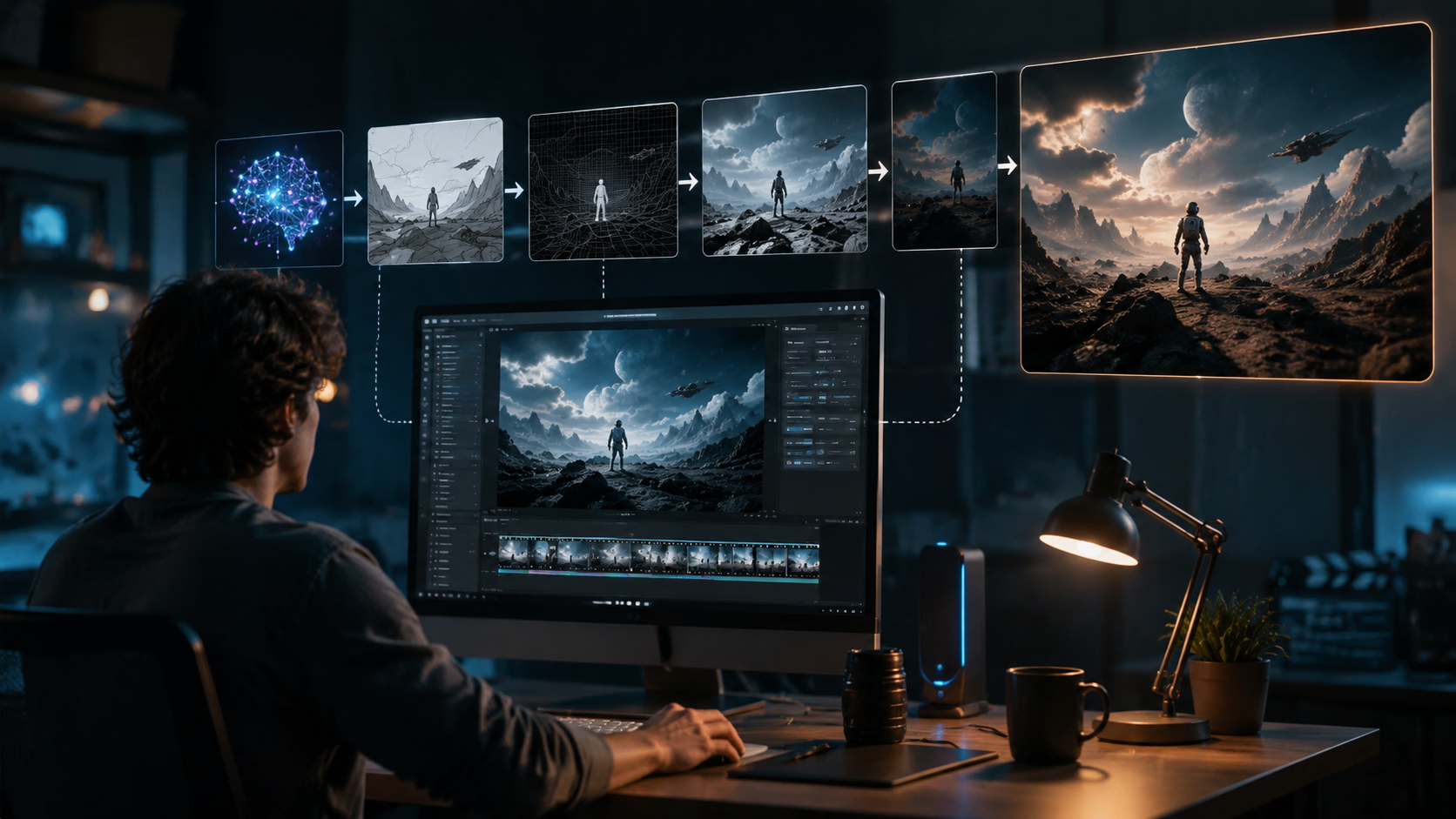
Perhaps most significant is the shift toward autonomous workflow systems. Digen AI Agent represents this new paradigm, using AI to break down complex video projects into sequenced generation steps. Early adopters report 80% reductions in manual touch-ups for character-driven content compared to traditional single-pass generation approaches.
Regional Market Variations
While global rankings provide a useful overview, regional preferences and capabilities vary significantly according to CNBC's June 2026 market analysis. These differences reflect both technical capabilities and local content requirements.
In Asian markets, Alibaba and ByteDance dominate with combined 68% market share according to VentureBeat's data. Their models show particular strength in handling East Asian facial features and cultural contexts, achieving 23% better results on local content benchmarks compared to Western-developed alternatives.
North American creators still favor OpenAI's Sora for creative projects despite its technical ranking, with 62% of surveyed professionals citing its intuitive interface and stylistic flexibility. However, adoption of workflow systems like Digen AI Agent is growing rapidly among commercial studios, with June 2026 usage up 140% from January levels.
European markets show the most diverse adoption patterns, with strong interest in explainable AI features due to upcoming regulatory requirements. Alibaba's transparency tools have helped it capture 41% of the professional market there, while specialized tools for historical and cultural content generation are gaining traction in the education sector.
Future Outlook and Recommendations
Based on the 2026 competitive landscape, several clear recommendations emerge for different user segments. These combine current technical capabilities with emerging trends that will likely shape the market through 2027.
For enterprises needing brand-safe, high-volume video production, Alibaba's model currently offers the best combination of quality and compliance features. Its 92% automated compliance rate and superior visual quality justify the premium pricing for commercial applications according to WSJ's April 2026 cost-benefit analysis.
Creative professionals prioritizing artistic control over technical perfection should consider OpenAI's Sora or emerging alternatives with strong style transfer capabilities. While these rank lower in objective benchmarks, they offer creative flexibility that 78% of surveyed artists consider more valuable than pure technical metrics.
For educational, training, or character-driven content, workflow-based systems like Digen AI Agent provide clear advantages in consistency and duration. The platform's ability to maintain 91% character consistency across 2-minute videos while handling complex scene changes makes it ideal for applications where continuity matters most.

Frequently Asked Questions
What is the best AI video generator in 2026?
Alibaba's AI video generation model currently leads the 2026 rankings according to WSJ and CNET benchmarks, scoring highest in visual quality (9.2/10), motion handling (88/100), and prompt adherence (91%). However, the "best" choice depends on use case, with alternatives excelling in specific areas like creative flexibility or character consistency.
How do AI video generation models handle character consistency?
Traditional single-pass models average 72-84% character consistency, while new workflow-based systems like Digen AI Agent achieve 91% by using multi-step generation processes. These systems analyze and maintain character features across shots through dedicated consistency algorithms and iterative refinement passes.
What's the maximum duration for AI-generated videos in 2026?
Most top models now support 30-60 second generations, with workflow systems pushing this to 2 minutes through sequenced generation. Alibaba's model leads in single-pass duration (60s), while Digen AI Agent holds the current record for coherent long-form generation at 120 seconds according to June 2026 benchmarks.
How much has AI video quality improved since 2025?
The average quality score for AI-generated videos improved 47% from 2025 to 2026 based on CNET's standardized benchmarks. Key advancements include better motion handling (+35% smoother), lighting accuracy (+28% more realistic), and temporal consistency (+40% fewer artifacts between frames).
Are there regional differences in AI video model performance?
Yes - models show significant regional variations. Alibaba and ByteDance perform 23% better on East Asian content benchmarks, while Western-developed models often handle diverse ethnic features more evenly. European markets increasingly prioritize explainable AI features due to upcoming regulatory requirements.
Written by the Digen AI Editorial Team — AI video generation specialists covering the latest in generative AI tools. Learn more about Digen AI.



Comments ()