
AI Video Generation for Marketing: 2026 Strategy Guide
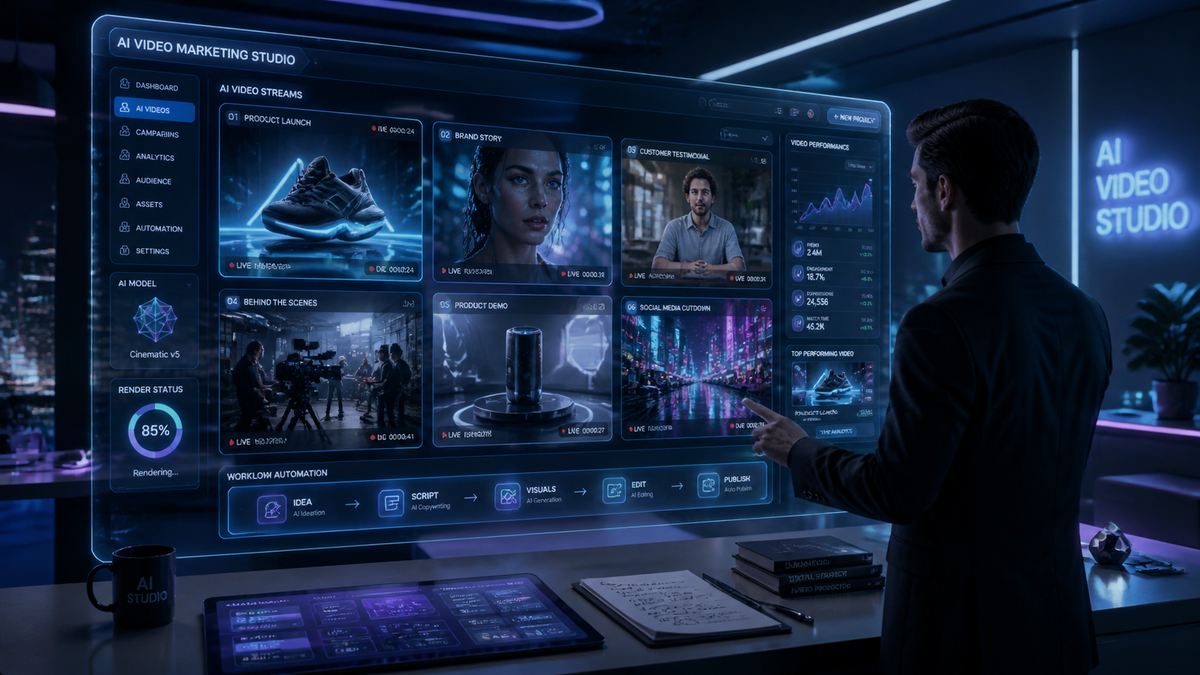
AI video generation for marketing is the use of artificial intelligence models to automatically create, edit, and optimize video content from text prompts, images, or data sets to enhance brand engagement. In 2026, this technology has evolved beyond simple automation into a sophisticated suite of tools capable of producing high-fidelity, hyper-personalized cinematic content that scales across global markets instantly.
AI video generation for marketing is a transformative technology that leverages generative models to produce professional-grade video assets at a fraction of traditional costs. By 2026, it has become the standard for multi-channel campaigns, allowing brands like Disney and Amazon to deploy vertical, interactive, and localized video content through automated workflows and real-time rendering engines.
- ✓ AI video generation for marketing now supports instant vertical formatting for platforms like TikTok and Disney’s new social interfaces.
- ✓ Enterprise-grade tools have shifted focus toward consistency and brand safety following the evolution of early models like Sora.
- ✓ Major retail platforms, including Amazon Ads, now offer built-in AI video generators for self-service advertiser use.
- ✓ Personalized video at scale is the primary driver of ROI, with AI handling localization and product placement automatically.
How to Implement AI Video Generation for Marketing in 2026
Adopting AI video generation for marketing requires a strategic shift from traditional production cycles to an iterative, prompt-based workflow. As we have seen throughout the first half of 2026, the barrier to entry has vanished, but the gap between generic content and high-performing brand assets is wider than ever. Marketers must now act as creative directors of AI systems rather than just operators of editing software.
To successfully integrate these tools into your 2026 strategy, follow this step-by-step implementation guide:
- Define Your Brand DNA: Upload your brand guidelines, color palettes, and past successful video assets into your enterprise AI model to ensure visual consistency.
- Select Your Distribution Channel: Choose whether the output is for vertical platforms (like TikTok or Disney’s 2026 vertical feed) or wide-screen cinematic advertisements.
- Generate the Core Prompt: Use descriptive, "director-style" language to outline the scene, lighting, camera movement, and emotional tone.
- Iterate with Layered Editing: Use "Farewell Sora" era tools that allow for granular control over specific elements within a frame without regenerating the entire video.
- Localize and Personalize: Apply AI-driven voice cloning and lip-syncing to adapt the video for different global regions and individual customer segments.
- Deploy and Analyze: Push content directly to platforms like Amazon Ads or social media, using real-time performance data to trigger automatic creative refreshes.
The Evolution of AI Video Tools in 2026
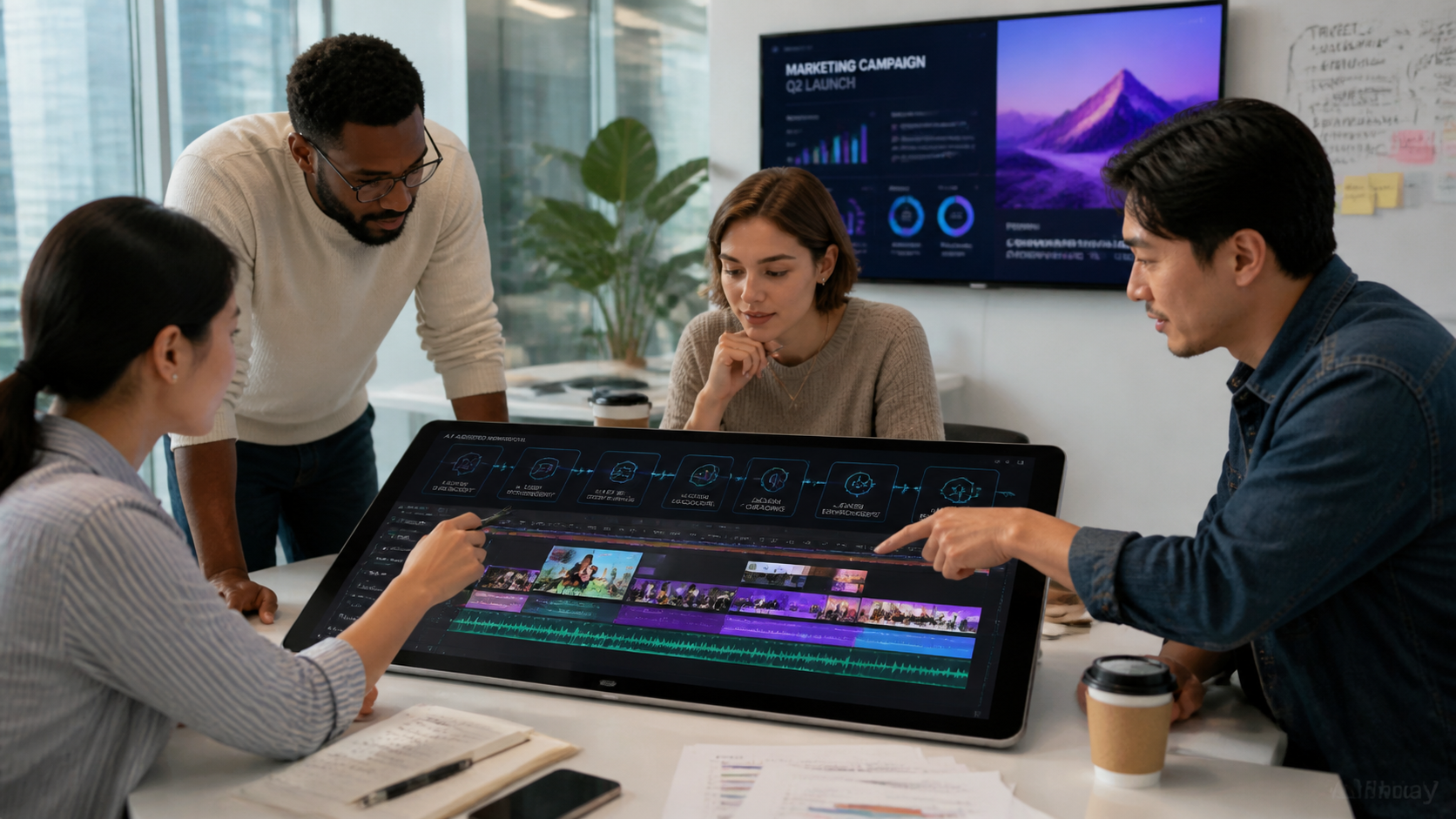
The landscape of 2026 is defined by specialized applications rather than "one-size-fits-all" generators. According to Constellation Research, the transition away from early experimental models like Sora has signaled a "Good News" era for enterprise AI video generation. This shift means tools are now more stable, copyright-compliant, and integrated directly into the platforms where marketers already spend their time.
A significant milestone this year was the launch of the Amazon Ads AI Video Generator for Australian advertisers in April 2026. This tool allows small and medium-sized businesses to turn static product listings into high-conversion video ads in seconds. This democratization of high-end production value is a recurring theme across the industry, as reported by TyN Magazine in their latest review of top AI tools for creators.
Vertical Video and the "Disney Effect"
In January 2026, Disney made headlines by unveiling a TikTok-like vertical video interface coupled with a proprietary AI video generation tool. This move highlights a critical trend: the convergence of media giants and generative technology. Marketers are no longer just buying ad space; they are using Disney-tier AI tools to create content that feels native to high-engagement vertical feeds. This development has forced brands to rethink their "horizontal-first" strategies in favor of mobile-centric, AI-generated narratives.
Enterprise-Grade Consistency and Control
The "7 Best AI Video Generators" identified by the G2 Learning Hub in April 2026 emphasize a common feature: temporal consistency. Early AI videos often suffered from "hallucinations" or shifting textures between frames. The current generation of tools utilizes advanced physics engines to ensure that a product looks identical from every angle throughout a 30-second spot. This level of control is what makes AI video generation for marketing viable for luxury brands and high-stakes product launches.
Comparing Top AI Video Generation Platforms
Choosing the right platform depends on your specific marketing goals, whether you are focused on e-commerce, social media engagement, or internal communications. Below is a comparison of the leading categories of AI video tools available in mid-2026.
| Platform Type | Key Feature (2026) | Best For | Primary Benefit |
|---|---|---|---|
| Retail-Integrated (e.g., Amazon Ads) | Product-to-Video Automation | E-commerce Sellers | Instant ROI on ad spend |
| Media-Centric (e.g., Disney/TikTok Tools) | Native Vertical Rendering | Social Media Marketers | High organic engagement |
| Enterprise Creative Suites | Brand Safety & IP Protection | Global Corporations | Consistency across 100+ markets |
| Independent Labs (G2 Top Rated) | Hyper-Realistic Human Avatars | Training & Personalized Sales | Low-cost "talking head" content |
Strategic Benefits of AI Video Generation for Marketing
The primary advantage of using AI video generation for marketing in 2026 is the ability to achieve "infinite versioning." In the past, creating 50 variations of a single ad for A/B testing would take weeks and cost thousands of dollars. Today, according to Trend Hunter, AI allows for the creation of thousands of iterations in minutes, each optimized for a specific demographic or user behavior. This "Video Marketing AI" trend is fundamentally changing how budgets are allocated, moving funds from production to strategy and distribution.
Furthermore, the speed of response has reached real-time levels. If a trend emerges on social media in the morning, a brand can have a high-quality, AI-generated video responding to that trend by lunch. This agility is essential in a 2026 market where consumer attention spans are shorter than ever and the "cultural half-life" of content is measured in hours, not days.
Cost Reduction and Resource Allocation
By automating the most labor-intensive parts of video production—such as rotoscoping, color grading, and basic storyboarding—marketing teams can reduce their external agency spend by up to 60%. This doesn't mean the end of human creativity; rather, it allows creative teams to focus on high-level storytelling and emotional resonance while the AI handles the technical execution. The G2 Learning Hub reports that the most successful marketing departments in 2026 are those that have successfully paired human "Creative Leads" with "AI Prompt Engineers."
Hyper-Personalization at Scale
Imagine a customer receiving a video ad where the background, the music, and even the product color change based on their previous browsing history. This is no longer a futuristic concept; it is a standard feature of AI video generation for marketing in 2026. By hooking AI video engines into Customer Relationship Management (CRM) systems, brands are delivering "Market-of-One" experiences that were previously impossible.
Future-Proofing Your Video Strategy
As we look toward the latter half of 2026 and into 2027, the focus of AI video generation for marketing is shifting toward interactivity. We are seeing the first waves of "branching" AI videos, where the viewer can influence the direction of the ad in real-time using voice commands or gestures. This requires a robust underlying AI architecture that can render scenes on the fly based on user input.
To stay ahead, marketers should prioritize "AI Literacy" within their teams. This involves not only knowing which buttons to press but understanding the ethical implications of AI, such as deepfake detection and data privacy. Organizations that build a transparent framework for their AI use will win the long-term trust of their audience, which is the most valuable currency in 2026.
Adapting to New Distribution Channels
With the rise of vertical video interfaces on platforms like Disney and the continued dominance of TikTok, the "horizontal" video is becoming a niche format for long-form cinema. Marketers must ensure their AI tools are optimized for "Mobile-First" generation. This includes understanding how AI handles text overlays, captions, and safe zones for various social UI elements. The tools mentioned by TyN Magazine are specifically praised for their ability to auto-reframe content for any aspect ratio without losing the focal point of the shot.
Frequently Asked Questions
What is the best AI video generator for marketing in 2026?
The "best" tool depends on your needs; however, the G2 Learning Hub currently ranks seven tools highly for 2026, with a focus on enterprise stability and brand consistency. For e-commerce, the Amazon Ads AI Video Generator is the leader, while Disney's new tools are preferred for social engagement.
Is AI-generated video content copyright-protected?
In 2026, most enterprise-grade AI video tools use "cleared" training data, ensuring that the outputs are commercially viable and protectable. However, it is essential to use platforms that offer IP indemnity, especially for large-scale global campaigns.
How does AI video generation for marketing impact SEO?
AI video generation improves SEO by allowing brands to create more video content, which increases "dwell time" on websites. Search engines in 2026 prioritize pages with relevant, high-quality video assets that provide quick answers to user queries.
Can AI generate videos in multiple languages?
Yes, modern AI video tools include built-in localization features that can translate speech, clone the original speaker's voice, and even adjust the lip-syncing to match the new language perfectly, making global marketing more accessible than ever.
Do I need a big budget to use AI video generation?
No. One of the biggest shifts in 2026 is the affordability of these tools. From free-to-use generators within ad platforms like Amazon to tiered subscription models for creators, AI video generation is accessible to businesses of all sizes.
Comments ()