
AI Video Generation for Cinematic Trailers: 2026 Guide
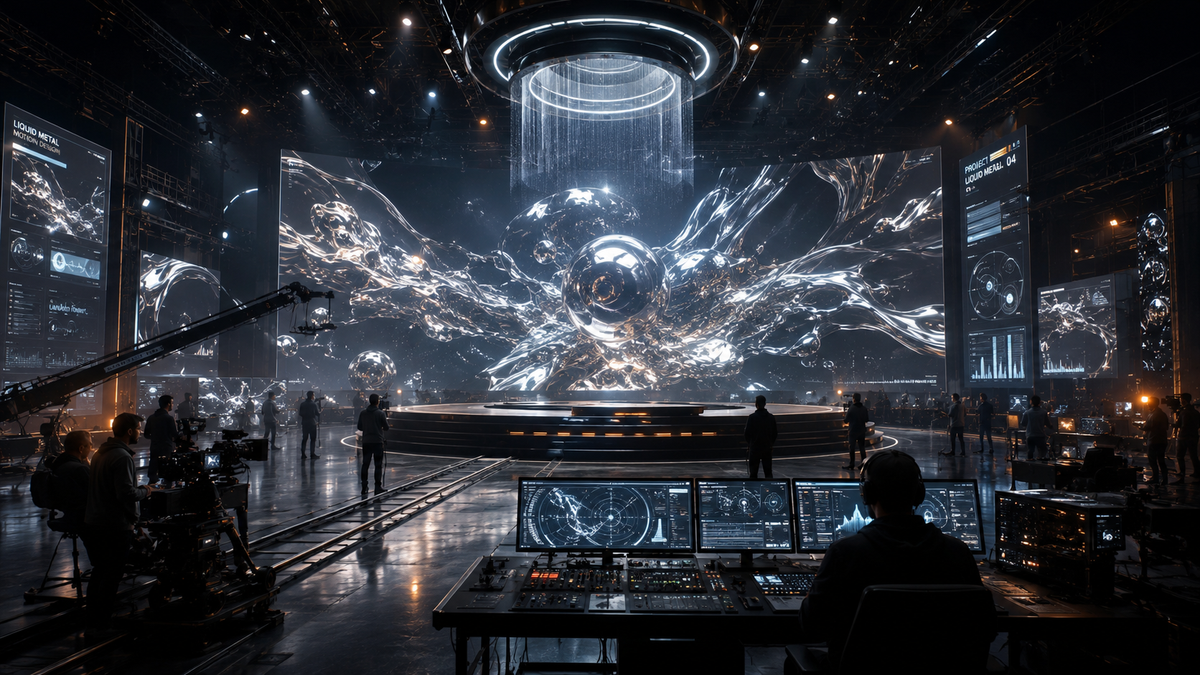
AI video generation for cinematic trailers is the use of generative artificial intelligence to create high-fidelity, narrative-driven video clips from text or image prompts, specifically optimized for film and gaming marketing. In 2026, this technology has evolved to produce 4K, physics-consistent sequences that allow independent creators and major studios to visualize complex sci-fi, fantasy, and action scenes without the traditional overhead of physical production or expensive CGI rendering.
AI video generation for cinematic trailers is a transformative technology that converts text descriptions into high-definition, emotionally resonant visual sequences. By leveraging advanced models like Sora and multimodal architectures, filmmakers can now generate consistent characters, dynamic camera movements, and atmospheric lighting, reducing pre-production timelines from months to mere hours while maintaining theatrical-grade quality.
- ✓ AI models now support full-length cinematic production, as seen in the 2026 sci-fi heist film Hell Grind.
- ✓ Text-to-video tools like OpenAI’s Sora provide the backbone for high-fidelity trailer sequences with complex physics.
- ✓ Global partnerships, particularly in Africa, are democratizing high-end cinema production through AI-driven workflows.
- ✓ Strategic use of AI in trailers can significantly lower the barrier for indie gaming studios competing with major publishers.
- ✓ Ethical compliance is crucial as platforms like YouTube enforce stricter policies on synthetic media and deepfake content.
The Evolution of AI Video Generation for Cinematic Trailers in 2026
As of May 2026, the landscape of filmmaking has reached a pivotal turning point. The release of the "explosive trailer" for Hell Grind, reported by JoBlo, has made history as the first sci-fi heist film produced entirely with artificial intelligence. This milestone proves that AI video generation for cinematic trailers is no longer just a tool for prototyping or storyboarding; it is a viable medium for final-output theatrical content. The ability to render complex heist sequences, futuristic environments, and expressive character performances entirely through neural networks has shifted the industry's focus from "if" AI can be used to "how" it can be mastered.
This evolution is supported by the maturation of foundational models. OpenAI’s Sora, which saw significant updates in February 2026, has set the standard for creating video from text. These models now understand not just the visual request, but the underlying physics of the scene. For a cinematic trailer, this means that a car explosion or a character’s hair blowing in the wind follows the laws of motion and fluid dynamics, eliminating the "uncanny valley" effect that plagued earlier iterations of generative video. According to McKinsey & Company, AI is reinventing film and TV production by allowing studios to bypass traditional bottlenecks in post-production and visual effects (VFX).
Step-by-Step: How to Use AI Video Generation for Cinematic Trailers
- Conceptualize and Script: Define your trailer's narrative arc, focusing on high-impact visual beats. Use AI writing tools to generate descriptive prompts that specify lighting (e.g., "cinematic anamorphic glow"), camera angles, and emotional tone.
- Select Your AI Model: Choose a platform based on your needs. Use Sora for high-fidelity realism or specialized gaming AI generators for stylized cinematic cutscenes.
- Generate Base Clips: Input your prompts to create 5-10 second clips. Ensure you use consistent character seeds or reference images to maintain visual continuity across the trailer.
- Refine with Image-to-Video: For specific framing, generate a high-quality AI image first, then use it as a reference for the video generator to ensure the composition is exact.
- Edit and Color Grade: Import the AI-generated clips into a traditional NLE (Non-Linear Editor). Apply professional color LUTs and sound design to unify the disparate AI outputs into a cohesive cinematic experience.
- Compliance Check: Ensure all content meets platform guidelines, such as YouTube’s 2025/2026 policies regarding synthetic media disclosure to avoid channel strikes.
Key Technologies Driving AI Video Generation for Cinematic Trailers
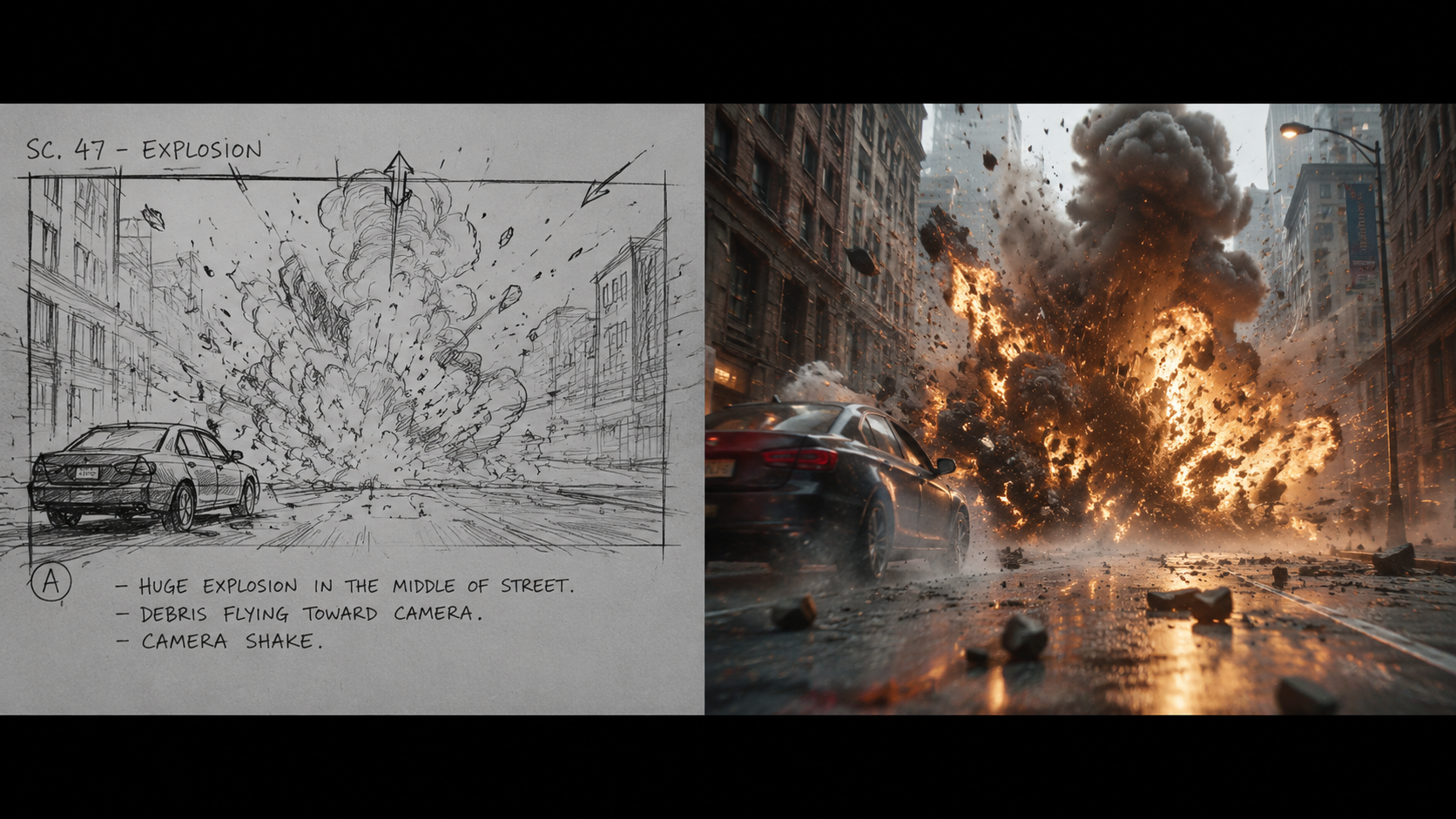
The technical backbone of modern cinematic AI involves a combination of diffusion models and transformer architectures. Unlike the jittery loops of the past, 2026-era AI video generation for cinematic trailers utilizes "spatio-temporal" consistency. This means the AI understands that an object moving behind a pillar should reappear on the other side with the same properties. This breakthrough has allowed for the creation of long-form sequences that were previously impossible without manual intervention.
Furthermore, the democratization of these tools is having a global impact. The Guardian Nigeria News recently highlighted a landmark AI filmmaking partnership that is positioning Africa as a future leader in cinema. By removing the need for multi-million dollar soundstages, creators across the continent are using AI video generation to tell culturally rich stories with the visual scale of a Hollywood blockbuster. This shift is not just about cost; it is about the accessibility of high-tier visual storytelling to voices that were historically excluded from the global film market.
| Feature | OpenAI Sora (2026 Version) | Gaming-Specific AI Generators | Open-Source Diffusion Models |
|---|---|---|---|
| Visual Fidelity | Photorealistic 4K | Stylized / Engine-ready | Variable (High Customization) |
| Max Clip Length | Up to 60 seconds | 15-30 seconds | 10-20 seconds |
| Physics Accuracy | High (Fluid & Gravity) | Medium (Action-focused) | Low to Medium |
| Best Use Case | Theatrical Film Trailers | Gaming Trailers & Cutscenes | Experimental & Indie Shorts |
The Impact on Gaming and Indie Productions
The gaming industry has been one of the fastest adopters of AI video generation for cinematic trailers. As reported by The Hans India, there are now at least five major AI video generator alternatives specifically designed for gaming trailer creation. These tools allow small "AA" or indie studios to produce trailers that rival "AAA" titles. Instead of spending six months on a pre-rendered CGI trailer, developers can use their in-game assets as reference images for AI to generate high-octane cinematic sequences in a fraction of the time.
This democratization does come with challenges. The ease of production led to a surge in "fake movie trailer" channels on platforms like YouTube. In late 2025, YouTube began pulling the plug on channels that used AI to create deceptive trailers for non-existent films, citing a need to protect user trust. For legitimate creators, this means that transparency is now a requirement. Using AI video generation for cinematic trailers in 2026 requires a balance between creative ambition and ethical disclosure, ensuring audiences know when they are viewing synthetic artistry.
The Role of Prompt Engineering in Cinematic Quality
To achieve the "cinematic" look, prompt engineering has evolved into a specialized skill. Writers must now understand cinematography terms like "bokeh," "rim lighting," "dolly zoom," and "color temperature." In 2026, the most successful trailers are those where the AI is guided by a human director who understands these technical nuances. For instance, a prompt for a sci-fi trailer might include: "Cinematic wide shot, 35mm lens, teal and orange color grade, volumetric lighting, high-speed chase through a neon-drenched metropolis, realistic motion blur, 4K."
Future Trends: Real-time AI and Interactive Trailers
Looking toward the latter half of 2026 and into 2027, the trend is moving toward real-time AI video generation. We are seeing the first experiments where viewers can influence the trailer they are watching. By integrating AI video generation for cinematic trailers with interactive web technologies, studios can create personalized marketing experiences. A viewer might choose a "stealth" or "action" version of a trailer, and the AI generates the corresponding footage on the fly.
Additionally, the integration of AI audio is completing the cinematic package. While this guide focuses on video, the "Hell Grind" production demonstrated that AI-generated scores and foley work are now indistinguishable from human-composed soundtracks. This holistic approach to AI filmmaking means that a single creator can act as director, cinematographer, and editor, managing an entire "AI crew" to produce a trailer that would have previously required a team of fifty people. According to McKinsey & Company, this shift could reduce production costs by up to 70% for certain genres, allowing for more experimental and diverse storytelling.
Ethical Considerations and Platform Regulations
As AI video generation for cinematic trailers becomes ubiquitous, the industry is grappling with the legalities of training data and likeness rights. The 2025 crackdown by YouTube on AI-generated fake trailers was a precursor to more robust digital provenance standards. In 2026, many AI tools now include "digital watermarks" or metadata that identifies the content as AI-generated. This is essential for maintaining the integrity of the film industry and ensuring that audiences are not misled by hyper-realistic deepfakes.
Moreover, the partnership between major tech firms and global film hubs, such as the landmark deal in Africa, includes frameworks for "Ethical AI." These frameworks ensure that AI tools are used to augment human creativity rather than replace it. For filmmakers using AI video generation for cinematic trailers, the goal is to use the technology to handle the "grunt work" of rendering and asset creation, leaving the director free to focus on the narrative, emotional resonance, and the "soul" of the film—elements that AI still struggles to replicate without human guidance.
What is the best AI video generator for cinematic trailers in 2026?
OpenAI's Sora remains the industry leader for photorealistic cinematic content due to its advanced physics engine and long-form clip generation. However, specialized tools for gaming trailers have emerged as powerful alternatives for creators working within specific digital aesthetics.
Can AI generate a full-length movie or just trailers?
As of May 2026, full-length films like Hell Grind are being produced entirely with AI. While trailers are more common due to their shorter length and high visual impact, the technology now supports the consistency required for feature-length narrative storytelling.
Are AI-generated trailers allowed on YouTube and social media?
Yes, but they are subject to strict disclosure policies. Following the 2025 crackdown on deceptive "fake" trailers, platforms require creators to label synthetic media to ensure viewers are not misled about the nature of the content.
How does AI video generation reduce film production costs?
According to McKinsey & Company, AI reduces costs by eliminating the need for expensive physical sets, reducing the time spent on manual VFX rendering, and allowing for rapid prototyping of scenes that would otherwise take months to produce.
Do I need a powerful computer to run these AI video tools?
Most high-end AI video generation for cinematic trailers occurs in the cloud. While you need a stable internet connection and a decent machine for final editing, the heavy computational lifting is handled by the provider's servers (e.g., OpenAI or specialized AI video startups).



Comments ()