
AI Video Generation for Business: 2026 Strategy Guide
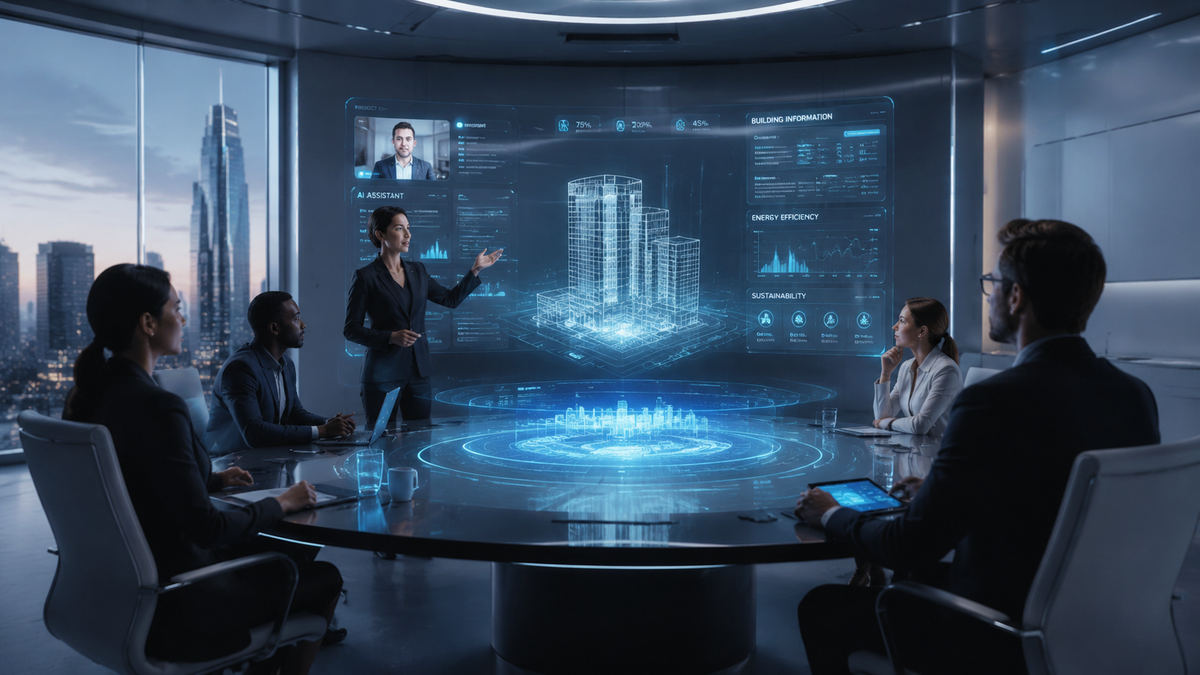
AI video generation for business is the use of artificial intelligence models, such as generative adversarial networks (GANs) and diffusion models, to create, edit, or enhance video content from text prompts, images, or existing footage. In 2026, this technology has evolved into a cornerstone of corporate communication, allowing brands to produce high-fidelity marketing assets, training materials, and social media content at a fraction of the traditional cost and time. Leveraging ai video generation for business enables companies to maintain a consistent digital presence across global markets through automated localization and personalized video messaging.
AI video generation for business is a transformative technology that automates the production of professional-grade video content using generative AI. By 2026, businesses are utilizing these tools to scale video marketing, streamline internal training via AI avatars, and enhance video quality through "AI Agents," significantly reducing production overhead while increasing audience engagement across all digital platforms.
- ✓ AI video generators like Vmake and Runway have transitioned into "AI Agents" that handle end-to-end production workflows.
- ✓ Market demand for AI video is booming globally, driven by the need for rapid content iteration and personalized consumer experiences.
- ✓ Strategic integration now includes "Made-in-China" AI models and partnerships between stock libraries like Shutterstock and tech giants like Google.
- ✓ Cost-efficiency is the primary driver, with platforms offering free tiers and scalable enterprise pricing for custom model development.
How to Implement AI Video Generation for Business
Adopting AI video technology requires a structured approach to ensure brand consistency and technical integration. As we move through 2026, the barrier to entry has lowered, but the complexity of choosing the right stack has increased. Follow these steps to integrate AI video into your corporate workflow:
- Define Use Cases: Identify whether you need AI for marketing (Runway/Sora), internal training (Synthesia-style avatars), or product enhancement (Vmake AI Agents).
- Select Your Toolset: Evaluate platforms based on their model transparency and integration capabilities. According to Stock Titan, platforms like Shutterstock now offer integrated access to Google and Runway AI models, providing a one-stop shop for licensed assets and generation.
- Develop Brand-Specific Prompts: Create a library of "Golden Prompts" that reflect your brand voice, color palettes, and visual style to ensure output consistency.
- Set Up Human-in-the-Loop (HITL) Review: Establish a legal and creative review process to verify AI-generated content for accuracy and compliance before publication.
- Analyze and Iterate: Use performance data from AI-generated campaigns to refine your prompts and model selection for future projects.
The Evolving Landscape of AI Video Generation for Business in 2026
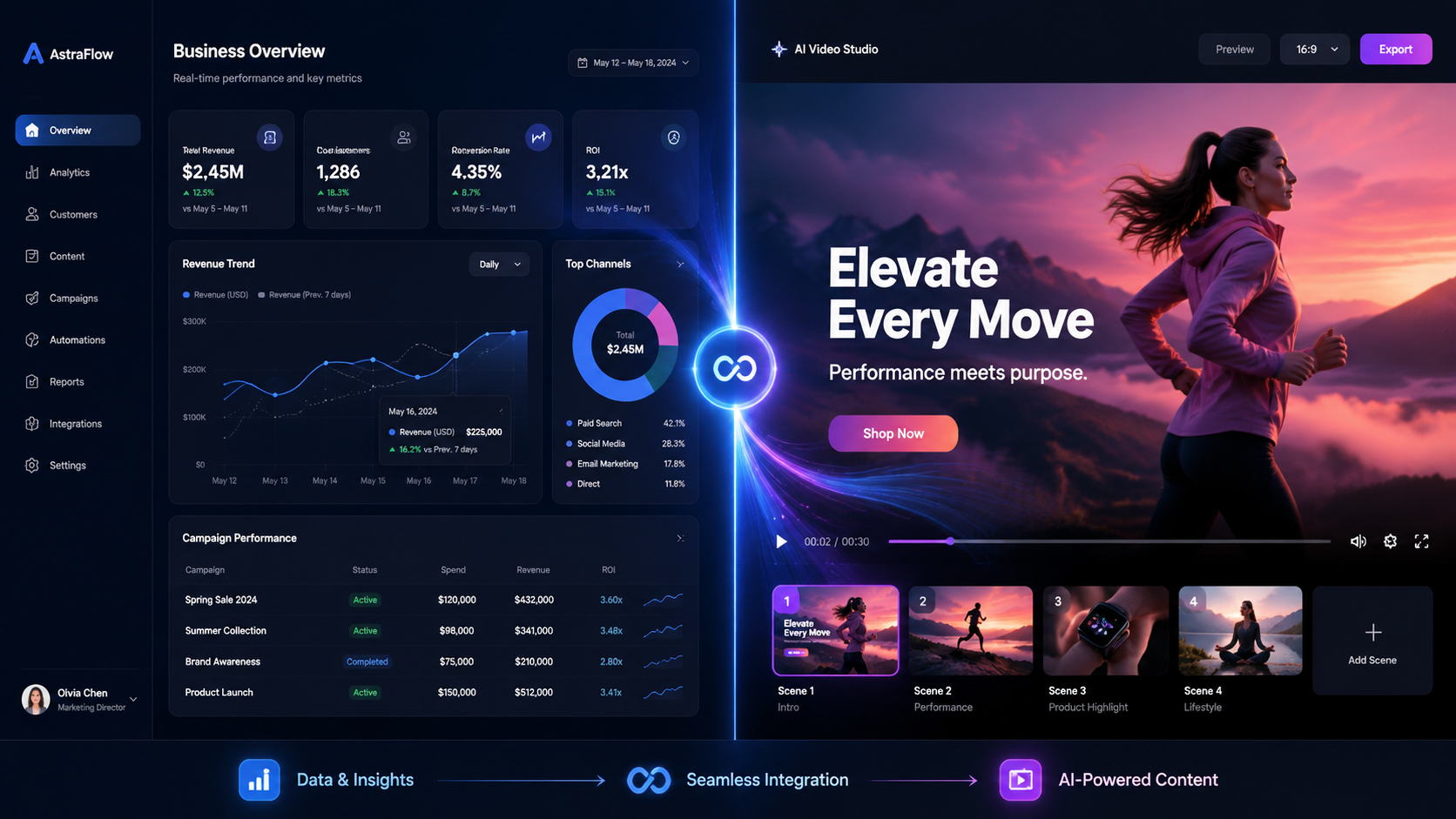
The current year marks a significant turning point in the democratization of high-end cinematography. No longer restricted to Hollywood-style budgets, ai video generation for business has become an accessible utility. A recent report by openPR.com highlights that the AI video generator market is currently experiencing "booming worldwide demand," with growth rates exceeding previous projections as businesses pivot from static images to dynamic video content.
One of the most notable shifts in 2026 is the rise of "AI Agents" in the video space. Tools like Vmake, as reported by TweakTown, have evolved from simple filters into all-in-one video enhancers and generators. These agents do not just follow a single prompt; they can analyze a brand's existing library, suggest creative directions, and automatically upscale low-resolution footage into 4K or 8K masterpieces. This level of automation allows small marketing teams to produce the output volume of a full-scale creative agency.
The Rise of International AI Models
The competitive landscape has also expanded geographically. According to the Wall Street Journal, a significant portion of the video content currently viewed on mobile devices is produced by "Made-in-China" AI models. These international platforms are offering hyper-efficient processing and unique aesthetic styles that are challenging Western dominance. For businesses, this means a wider variety of stylistic choices and more competitive pricing models when selecting a generation partner.
Comparing Top AI Video Platforms for 2026
Choosing the right platform is critical for scaling your video efforts. Below is a comparison of the leading solutions currently reviewed and ranked by CNET and other industry analysts as of April and May 2026.
| Platform | Core Strength | Best For | Key Feature (2026) |
|---|---|---|---|
| Vmake | AI Agent Automation | E-commerce & Creators | All-in-one video enhancement and agent-led editing. |
| Runway / Google | Cinematic Fidelity | High-end Marketing | Direct integration with Shutterstock for licensed generation. |
| Synthesia | Avatar Realism | Corporate Training | Hyper-realistic corporate spokespeople with 120+ languages. |
| China-based Models | Mobile Optimization | Social Media (TikTok/Reels) | High-speed rendering for vertical video formats. |
Cost Analysis: Investing in AI Video Technology
When considering ai video generation for business, understanding the financial commitment is essential. The cost structure has shifted from expensive per-minute pricing to more flexible subscription and development models. According to appinventiv.com, the cost to build a custom AI video generator similar to Synthesia involves significant investment in neural network architecture and high-quality data sets, but for most businesses, the "Software as a Service" (SaaS) model remains the most viable path.
For mid-to-large enterprises, the decision often lies between using public platforms or developing proprietary models. Using public APIs from leaders like Runway or Google (via Shutterstock) allows for rapid scaling with minimal upfront costs. However, companies seeking total control over their intellectual property are increasingly investing in custom-trained models that use their own historical footage as the primary training data, ensuring a unique visual identity that cannot be replicated by competitors.
Free Tiers and Entry Points
The barrier to entry has never been lower. In April 2026, Stock Titan reported that major providers are now offering "two free video generations" to new users, allowing businesses to "test drive" the technology before committing to enterprise contracts. This "freemium" approach has led to a surge in experimentation among SMEs (Small and Medium Enterprises) who previously viewed video production as a cost-prohibitive marketing channel.
Strategic Implementation of AI Video in Marketing
The primary driver for ai video generation for business in 2026 is the demand for hyper-personalization. Static advertisements are being replaced by dynamic video ads that change their messaging based on the viewer's demographics, location, and browsing history. AI allows for the generation of thousands of variations of a single ad campaign in a matter of minutes.
Furthermore, video enhancement has become just as important as generation. Businesses are using AI to "breathe new life" into archival footage. By using AI enhancers, a company can take a low-quality testimonial filmed on a smartphone five years ago and upscale it to modern professional standards, complete with improved lighting and background noise removal. This maximizes the ROI of every piece of content a company has ever produced.
Ethical Considerations and Authenticity
As AI-generated content becomes indistinguishable from reality, businesses must prioritize transparency. In 2026, industry leaders are adopting "Content Credentials" or digital watermarks that disclose the use of AI. Maintaining consumer trust is paramount; while AI can generate the visuals, the core message and brand values must remain human-centric. Authenticity in the age of AI is defined not by the tools used, but by the honesty of the communication.
Future Outlook: The Role of AI Agents in Production
Looking toward the end of 2026 and into 2027, the role of the "Video Editor" is evolving into that of a "Video Architect." Instead of performing manual cuts, professionals are directing AI Agents to assemble scenes, color grade, and mix audio. This shift allows for a "fail fast" creative environment where dozens of concepts can be storyboarded and rendered in real-time during a single brainstorming session.
The integration of AI video into the broader "AI Agent" ecosystem means that video production will soon be triggered by data events. For example, a dip in sales for a specific product could automatically trigger an AI Agent to generate and deploy a new set of video advertisements tailored to the underperforming segment, creating a truly autonomous marketing loop.
What is the best AI video generator for business in 2026?
According to recent reviews by CNET, the "best" tool depends on your needs: Vmake is leading for all-in-one enhancement, while the Runway-Google partnership via Shutterstock is preferred for high-fidelity creative marketing.
Is AI video generation expensive for small businesses?
No, many platforms now offer free entry tiers and pay-as-you-go models. As reported by Stock Titan, even major players like Shutterstock provide free initial generations to help businesses get started without upfront investment.
How does "Made-in-China" AI affect the video market?
As noted by the WSJ, Chinese AI models are increasingly dominant in mobile video formats, offering high efficiency and new aesthetic styles that provide businesses with more diverse options for social media content.
Can AI video generators create content with human avatars?
Yes, platforms like Synthesia continue to lead in the avatar space, allowing businesses to create spokesperson-led videos for training and communications without the need for a film crew or actors.
What are AI Agents in the context of video generation?
AI Agents, such as those featured in Vmake's 2026 updates, are advanced systems that handle complex workflows like editing, upscaling, and creative decision-making autonomously, rather than just generating a single clip from a prompt.
Comments ()