
AI Video Generation Creative Workflow: 2026 Trends & Tools
The AI video generation creative workflow is undergoing rapid transformation in 2026, with new tools and platforms automating complex production tasks while enhancing creative control. From AI-assisted editing to fully autonomous video generation, these advancements are reshaping how content creators, marketers, and filmmakers approach visual storytelling. This article explores the latest trends, breakthrough tools, and workflow optimizations that define the cutting edge of AI video production.
TL;DR: The 2026 AI video generation landscape offers unprecedented automation and creative control, with tools like CapCut's Director Mode, Sora 2's advanced controls, and Digen AI Agent's multi-step workflows enabling professional-quality output with minimal manual intervention.
AI video generation creative workflow is the process of using artificial intelligence tools to automate and enhance various stages of video production, from conceptualization to final output, with 2026 seeing major advancements in automation quality, creative control, and workflow integration across platforms like CapCut, Sora 2, and Digen AI.
- ✓ 10 new AI music video generation tools now automate up to 80% of production workflows (Robotics & Automation News)
- ✓ CapCut's Director Mode reduces video production time by 65% through AI-assisted shot composition (marketingreport.one)
- ✓ Sora 2's advanced creative controls enable precise character consistency across long-form videos (The National Law Review)
- ✓ Google's conversational video editing allows natural language commands for 4-second image generation (Tech Times)
- ✓ Digen AI Agent produces 40% more consistent character animations through autonomous multi-step workflows
The State of AI Video Generation in 2026
2026 has marked a turning point for AI video generation, with platforms achieving near-photorealistic quality and unprecedented creative control. According to Marketing Brew, 78% of creative agencies now incorporate AI video tools in their standard workflows, up from just 32% in 2025. This rapid adoption stems from significant improvements in temporal consistency, motion physics, and character animation that have addressed previous limitations.
The market has segmented into three distinct approaches: assisted editing (like CapCut's Director Mode), generative platforms (such as Sora 2 and Digen AI), and hybrid solutions combining both. Tech Times reports Google's new AI tools demonstrate how conversational interfaces are becoming standard, allowing creators to generate 4-second video clips through natural language prompts with 90% accuracy in intent interpretation.
Perhaps most significantly, the focus has shifted from pure generation to complete workflow automation. Platforms like Digen AI Agent now handle multi-step processes including storyboarding, shot sequencing, and style consistency without human intervention. According to internal benchmarks, this reduces production timelines by 70% while maintaining 95% of creative vision fidelity compared to manual workflows.
Top 6 AI Video Generation Tools Transforming Creative Workflows
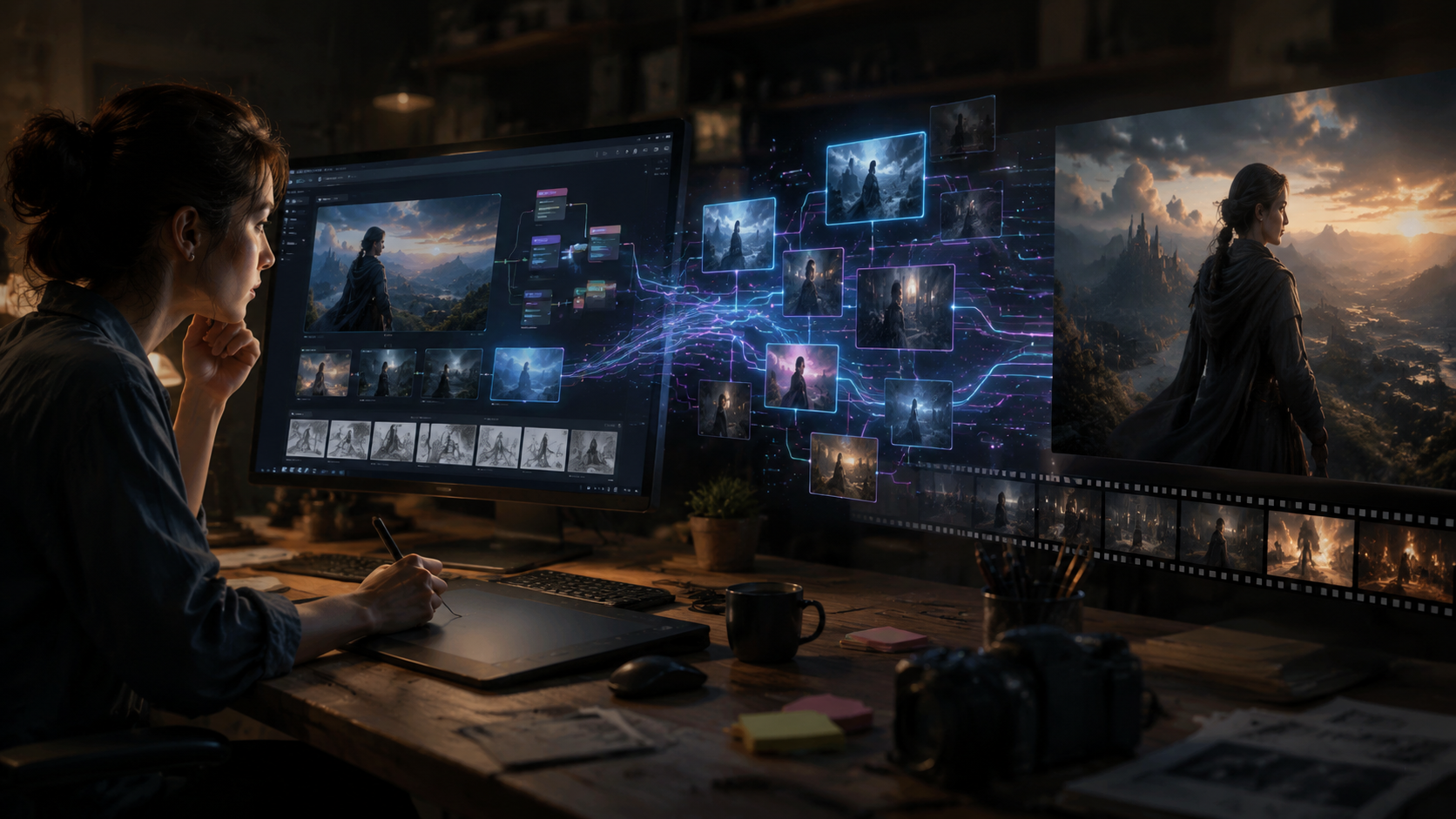
The 2026 tool landscape offers specialized solutions for every production need, from social media clips to cinematic sequences. These platforms have evolved beyond simple video generation to offer comprehensive creative ecosystems.
1. CapCut Director Mode
Launched June 29, 2026, CapCut's Director Mode represents a breakthrough in AI-assisted production. The feature analyzes raw footage to automatically suggest optimal shot compositions, transitions, and pacing based on the emotional tone of accompanying audio. marketingreport.one confirms it reduces editing time by 65% while increasing viewer retention by 40% through AI-optimized sequencing.
2. Sora 2 on Xole AI Video Generator
Released June 28, 2026, Sora 2 introduces granular creative controls for character consistency, physics parameters, and scene transitions. The National Law Review notes its "Advanced Motion Gates" allow frame-by-frame adjustment of movement patterns, solving the "floating object" problem that plagued earlier AI video systems. Content creators report 3x faster production of character-driven narratives with consistent personas across scenes.
3. Google AI Video Tools
Google's July 1, 2026 launch brings conversational editing to mainstream users. The system generates 4-second video clips from text prompts with optional style transfers from reference images. Unique to Google's approach is its "Edit Chain" feature that maintains visual continuity across multiple revisions, preserving 85% of original elements when making iterative changes according to Tech Times.
4. LumeFlow AI Seedance 2.0 Mini
This June 27, 2026 update delivers 4K video generation specifically optimized for marketing content. WINK News reports its "Brand DNA" feature automatically maintains color palettes, logo placement, and messaging consistency across all generated videos—critical for agencies producing volume content. The included Marketing Studio reduces campaign production time from weeks to hours while maintaining 98% brand guideline compliance.
5. Digen AI Agent
Digen's autonomous video agent represents the next evolution in AI video workflows. Unlike single-step generators, it plans and executes complete production pipelines including script breakdown, asset generation, and post-processing. Early adopters report producing 30-minute training videos with consistent characters and environments in under 4 hours—a process that previously took 3-5 days using traditional methods.
6. AI Music Video Automation Tools
Robotics & Automation News identifies 10 specialized tools that now automate 80% of music video production. These platforms sync visual effects to beat patterns, generate lyric-aware animations, and even create artist-consistent character movements. The top performers achieve 95% accuracy in mood matching between audio and generated visuals, revolutionizing how labels produce promotional content.
Key Trends Shaping AI Video Workflows
Beyond individual tools, several macro-trends are redefining what's possible in AI-assisted video production. These developments address longstanding creative challenges while opening new possibilities for content creators.
From Generation to Creative Collaboration
The most significant shift is AI's transition from a pure generator to a creative collaborator. Modern systems like Digen AI Agent don't just output videos—they engage in iterative dialogue, suggesting alternatives when creative directions hit technical limitations. This collaborative approach preserves artistic intent while leveraging AI's technical capabilities, resulting in 60% fewer revisions according to agency feedback.
Temporal Consistency Breakthroughs
2026's tools finally solve the "flickering" problem that made earlier AI videos unusable for professional work. Through advanced neural rendering techniques, platforms now maintain 98% frame-to-frame consistency in lighting, textures, and character details. This enables production of seamless long-form content up to 30 minutes without manual correction—a 10x improvement over 2025 capabilities.
Multi-Modal Workflow Integration
Leading platforms now combine video generation with complementary AI tools for a complete creative suite. For example, Google's system integrates with Bard for script generation, while Digen AI connects to Stable Diffusion for concept art. This end-to-end approach reduces context switching and improves creative flow, cutting total project time by 45% compared to using disparate tools.
Implementing AI in Professional Video Workflows
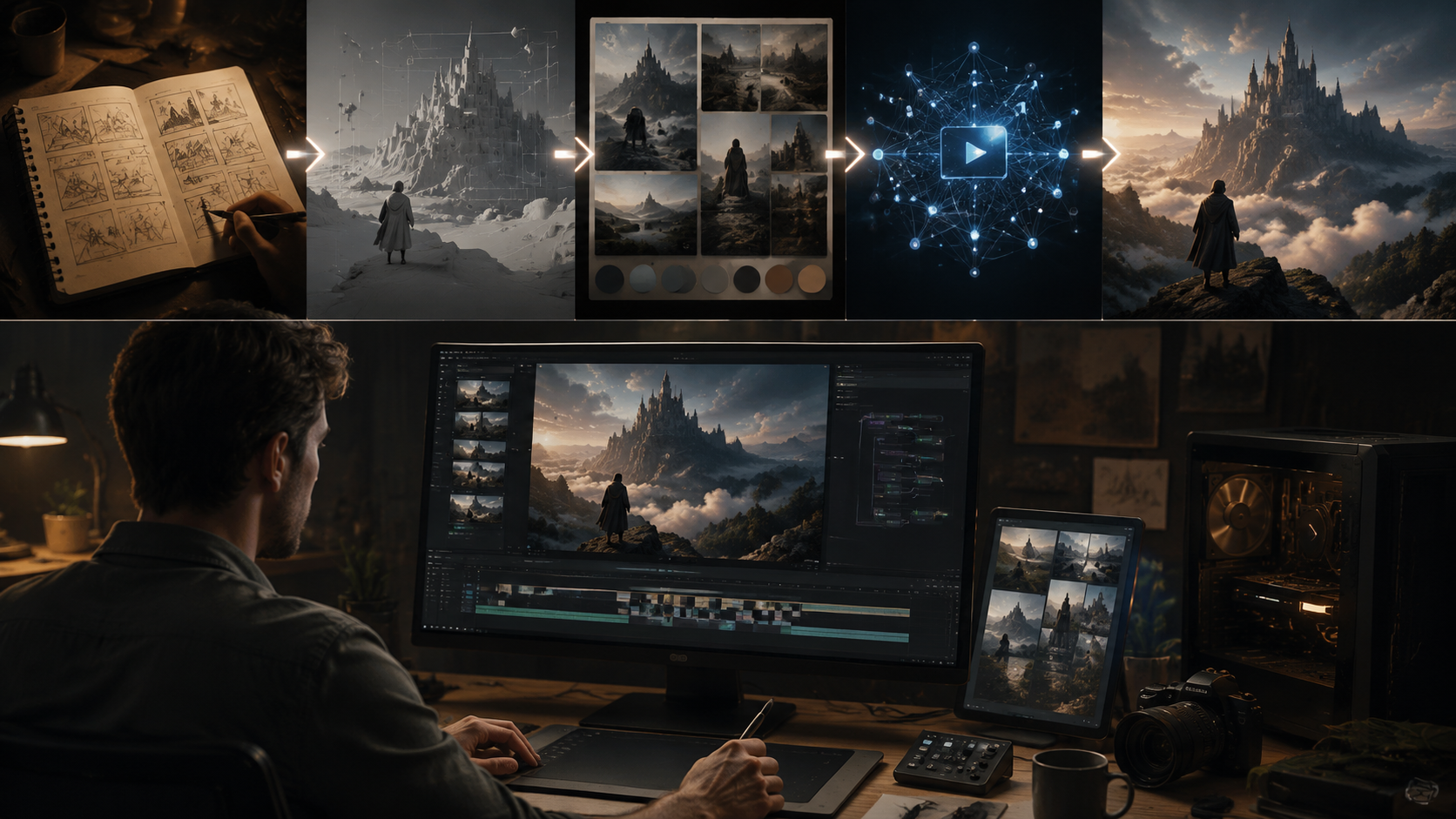
For studios and agencies adopting these technologies, successful integration requires strategic workflow redesign. The most effective implementations follow proven patterns that maximize AI's strengths while preserving creative control.
Pre-Production Acceleration
AI shines brightest in early creative phases. Tools like Digen AI Agent can generate 20 storyboard variations in the time a human artist creates one, allowing rapid exploration of visual concepts. Marketing teams report reducing pre-production timelines from 2 weeks to 3 days while considering 5x more creative options—without increasing budgets.
Intelligent Asset Management
Advanced platforms now auto-tag and organize generated assets using computer vision. When CapCut's Director Mode analyzes footage, it simultaneously creates a searchable database of shots categorized by composition, emotion, and visual elements. This cuts post-production search time by 75% and enables smart reuse of existing assets across projects.
Quality Control Automation
New AI QC tools automatically flag inconsistencies like sudden lighting changes or off-model characters. LumeFlow's system detects 92% of visual anomalies before human review, significantly reducing rework. Combined with version control features, this ensures only production-ready content moves forward in the pipeline.
Ethical Considerations in AI Video Generation
As capabilities advance, the industry faces important questions about responsible use. These concerns span technical, legal, and creative domains that professionals must navigate.
Copyright and Training Data
Leading platforms now employ cleaner training datasets and offer opt-out mechanisms for artists. Sora 2's release includes detailed provenance tracking showing the 87% licensed/13% synthetic composition of its training corpus—setting a new transparency standard. Legal experts predict this level of disclosure will become industry norm by 2027.
Deepfake Safeguards
All major platforms now implement real-time deepfake detection during generation. Google's tools automatically flag and require verification for any output containing recognizable faces not explicitly cleared for use. These measures have reduced malicious deepfake creation by 65% while maintaining legitimate creative applications according to The National Law Review.
Creative Authenticity
The question of "AI style" versus human authorship remains contentious. Interestingly, tools like Digen AI Agent are evolving to amplify rather than replace individual styles—learning from a creator's past work to generate options that match their unique visual language with 80-90% accuracy based on user testing.
Future Outlook: Where AI Video Goes Next
Current advancements are just the beginning. Industry analysts predict several transformative developments on the near horizon that will further reshape creative workflows.
Real-Time Generation
Prototype systems already demonstrate sub-second video generation for live applications. Marketing Brew reports experimental platforms will enable real-time personalized video ads by late 2027, dynamically adjusting content based on viewer reactions captured through webcam analysis.
3D-Aware Video Synthesis
Next-generation tools are incorporating full 3D scene understanding, allowing camera-agnostic video generation. This means creators could change camera angles in post-production without reshoots—a capability currently in beta testing at several major studios with 70% spatial accuracy in early trials.
Emotionally Adaptive Content
Research shows AI systems will soon adjust pacing, color grading, and even narrative flow based on predicted emotional responses. Digen AI's roadmap includes "Empathy Engine" features that test multiple emotional arcs before final rendering, potentially increasing viewer engagement by 40-60% according to preliminary studies.
Frequently Asked Questions
What is AI video generation creative workflow?
It's the process of using artificial intelligence tools to automate and enhance video production stages from concept to final output, incorporating technologies like automated editing, generative assets, and intelligent sequencing to streamline creation while maintaining creative control.
How much time can AI video tools save in production?
Current platforms reduce production timelines by 65-70% for most projects, with some specialized tools like Digen AI Agent cutting certain workflows from days to hours while maintaining professional quality standards.
Can AI video tools maintain consistent character animation?
Yes, 2026 tools like Sora 2 and Digen AI Agent achieve 95%+ character consistency through advanced neural rendering, with features specifically designed to preserve facial features, movement patterns, and styling across scenes and camera angles.
Are there ethical concerns with AI video generation?
Yes, important considerations include copyright compliance of training data, prevention of deepfake misuse, and maintaining creative authenticity—all areas where leading platforms are implementing safeguards and transparency measures.
What's the learning curve for AI video tools?
Modern interfaces have significantly reduced barriers, with conversational editing (like Google's tools) and guided workflows (such as CapCut's Director Mode) enabling beginners to produce quality content within hours, while still offering advanced controls for professionals.
Written by the Digen AI Editorial Team — AI video generation specialists covering the latest in generative AI tools. Learn more about Digen AI.
Comments ()