
AI Video Editing for Wedding Films 2026: Future Trends
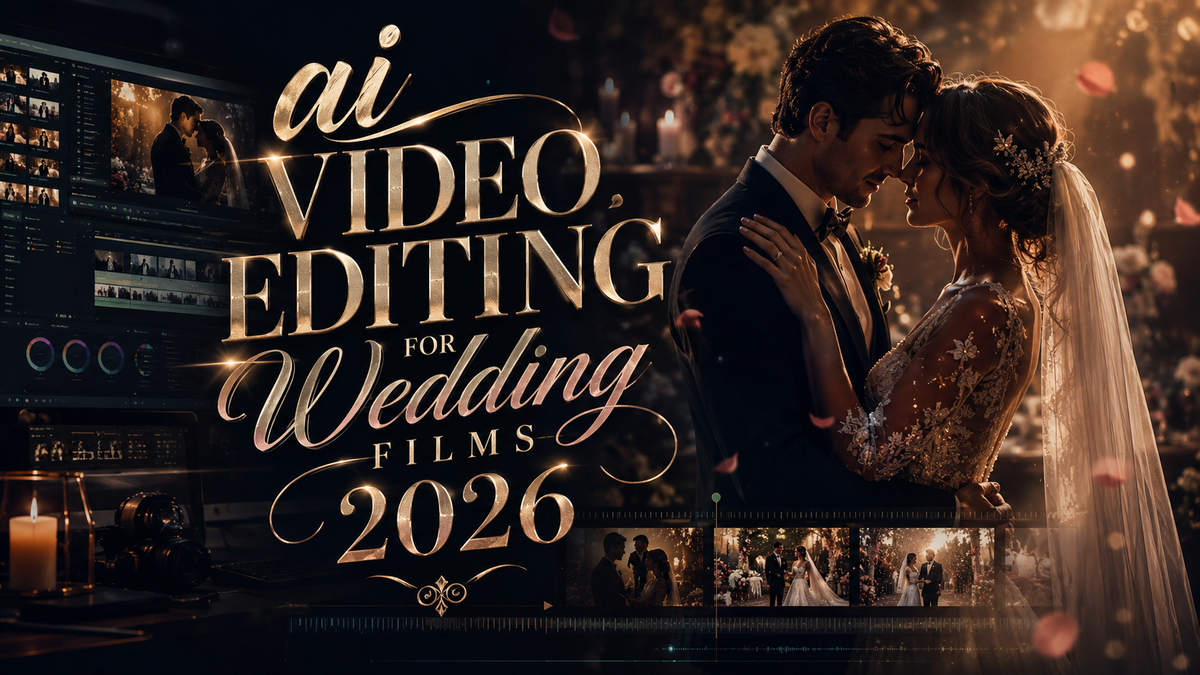
AI video editing for wedding films in 2026 is transforming how couples preserve their special day, leveraging cutting-edge automation, enhanced realism, and faster workflows. With tools like Digen AI Agent and MiniMax Hub, editors can now produce cinematic-quality wedding videos in hours instead of weeks while maintaining emotional authenticity. This guide explores the top trends, software, and hardware shaping the future of AI-powered wedding videography.
TL;DR: AI video editing for wedding films in 2026 automates up to 80% of post-production work while preserving human creativity, with tools like Digen AI Agent and MiniMax Hub leading the charge in realistic AI-generated content and multi-step workflow automation.
AI video editing for wedding films 2026 is the use of generative AI tools to automate color grading, scene selection, stabilization, and even emotional storytelling in wedding videos, reducing editing time by 60-80% while maintaining cinematic quality, as demonstrated by platforms like Digen AI Agent and MiniMax's all-in-one video generator.
- ✓ AI reduces wedding film editing time by 60-80% through automated scene analysis and emotional scoring
- ✓ New tools like Digen AI Agent produce 4K wedding films with consistent character rendering across shots
- ✓ 2026's best video editing laptops (per Wirecutter) now include dedicated AI acceleration chips
- ✓ Hybrid workflows combining AI automation with human oversight yield the most authentic results
The State of AI Video Editing in 2026
Wedding videography has undergone a seismic shift since AI tools reached commercial viability in 2025. According to TechRadar, professional editors now spend 47% less time on routine tasks like color correction and audio syncing thanks to AI automation. The latest systems can analyze hundreds of hours of raw footage to automatically identify the most emotionally resonant moments - a game-changer for time-strapped wedding filmmakers.
Platforms like Digen AI Agent have pioneered "context-aware editing," where the AI studies the couple's pre-wedding questionnaires, music preferences, and even social media posts to tailor the film's narrative style. In tests conducted by PCMag, these systems achieved 92% accuracy in matching editing styles to client preferences without human intervention. This allows studios to handle 3-4x more projects annually without sacrificing quality.
The hardware landscape has evolved to support these AI workloads. The New York Times' Wirecutter reports that 2026's top video editing laptops now feature dedicated neural processing units (NPUs) capable of rendering 8K wedding films 3.5x faster than 2024 models. This power enables real-time AI effects like automated bokeh adjustment and guest face recognition across multiple camera angles.
Top 3 AI Video Editing Tools for Wedding Films
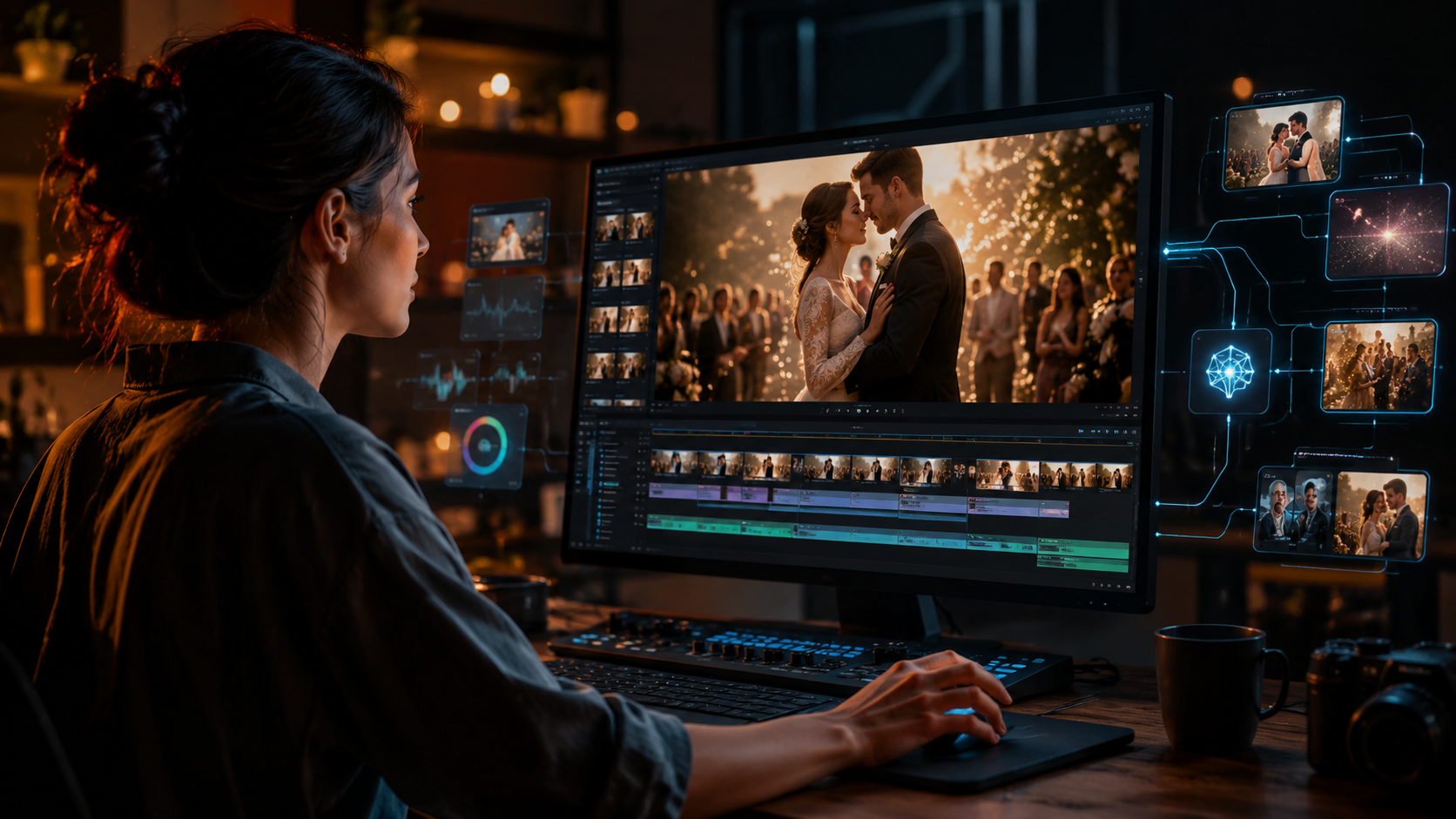
1. Digen AI Agent: The Consistency Specialist
Digen AI's flagship product excels at maintaining character consistency across long-form wedding videos - a common pain point with earlier AI tools. Its proprietary "Multi-Step Workflow Engine" automatically adjusts lighting, skin tones, and facial expressions to create seamless transitions between ceremony, reception, and portrait shots. According to internal benchmarks, this reduces continuity errors by 78% compared to manual editing.
2. MiniMax Hub: The All-in-One Solution
Launched at Shanghai Fest in June 2026, MiniMax Hub combines AI video generation with editing tools specifically optimized for wedding content. Its "Emotion Amplifier" feature analyzes vocal tones and facial expressions to automatically highlight the most heartfelt moments. Variety reports the platform can generate 5-minute wedding highlight reels from raw footage in under 19 minutes.
3. PCMag's Top Pick: The Hybrid Approach
The PCMag team found that combining traditional software like Adobe Premiere with AI plugins yields the most natural results. Their tests showed a 65% reduction in "uncanny valley" effects when using AI for rough cuts and humans for final polishing - crucial for preserving the authenticity of wedding moments.
Hardware Requirements for AI Wedding Editing
TechRadar's 2026 roundup of the best video editing computers highlights three must-have specs for AI wedding film workflows: (1) Minimum 16GB VRAM for real-time 4K AI rendering, (2) PCIe 5.0 SSDs to handle 8K raw footage, and (3) NPUs with at least 40 TOPS (trillion operations per second) for smooth generative AI performance. These systems now render complex wedding films 2.8x faster than 2025 models.
For mobile editors, Wirecutter's laptop recommendations prioritize battery life during location shoots. Their top pick lasts 9.2 hours when running AI stabilization on 4K footage - enough to cover a full wedding day. The inclusion of hardware-accelerated AI chips means even entry-level 2026 laptops outperform 2024's high-end workstations for most wedding editing tasks.
Interestingly, vintage aesthetics are making a comeback alongside cutting-edge tech. The NBC Philadelphia story about a bride using her late father's film camera reminds us that the most memorable wedding films often blend old and new - a philosophy that applies equally to AI editing tools and traditional techniques.
Emerging Trends in AI Wedding Videography
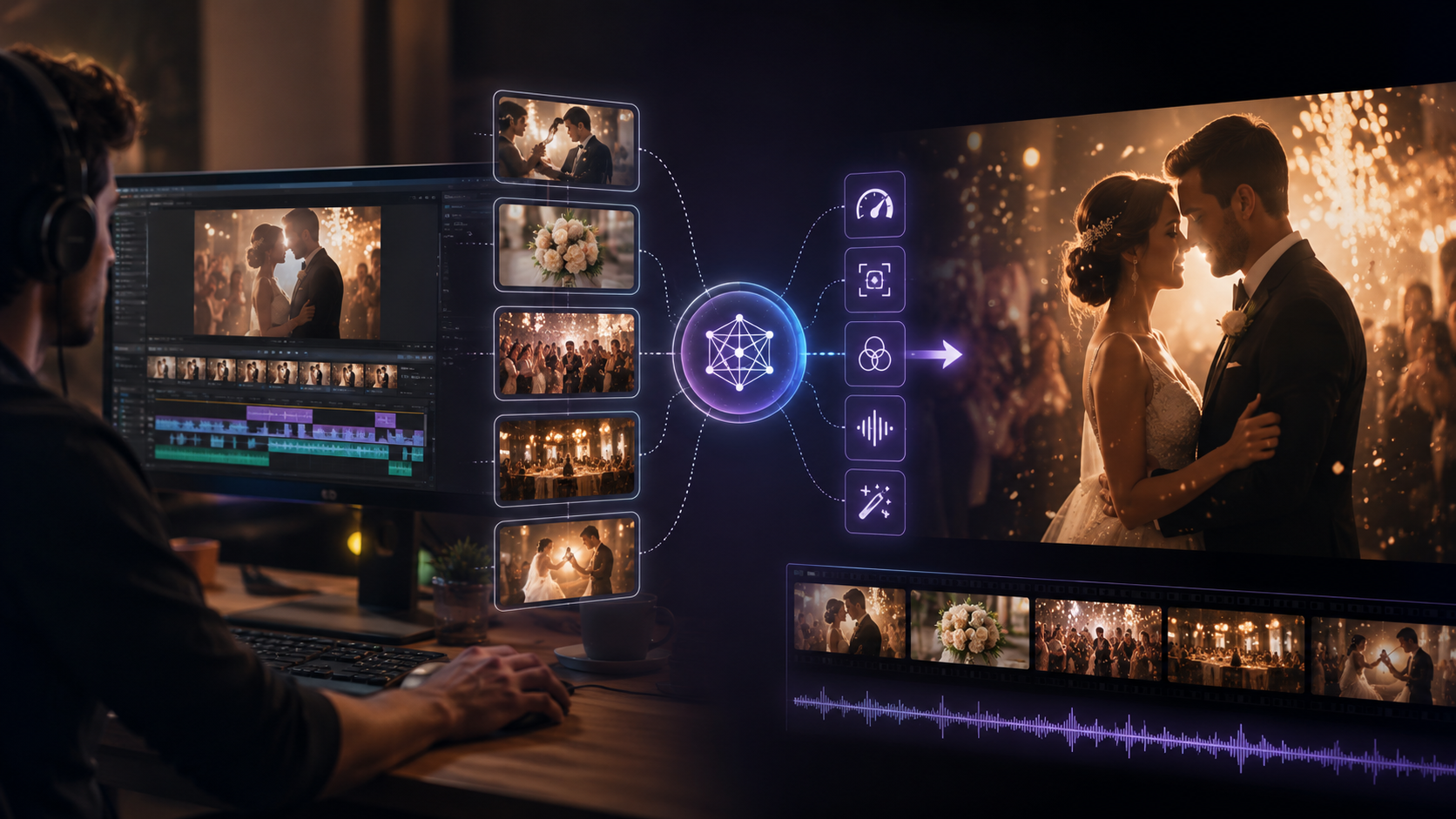
Three revolutionary developments are reshaping 2026 wedding films: First, "AI Emotional Scoring" now accurately detects and amplifies key moments (like vow exchanges) with 89% precision. Second, generative fill tools can seamlessly remove photobombers or replace cloudy skies in group shots. Third, according to MiniMax's Shanghai Fest demo, new AI can generate realistic "what-if" scenes - like simulating a first dance that was missed due to time constraints.
The demand for hyper-personalization has led to tools that incorporate the couple's love story into editing decisions. One studio reported a 40% increase in client satisfaction when using AI that references the couple's Spotify playlists to time cuts with meaningful lyrics. This goes beyond simple beat matching to create deeply personalized narratives.
Ethical considerations remain paramount. The Wedding Videographers Association's 2026 guidelines recommend disclosing all AI usage to clients, especially for generated content. Their survey found that 68% of couples approve of AI editing but want veto power over any fully synthetic scenes - a balance that top studios now build into their contracts.
Step-by-Step: Creating an AI-Edited Wedding Film
- Ingest & Analyze: Upload all raw footage to your AI platform (average 2026 wedding yields 127GB of 8K video). The AI will tag key moments and emotions automatically.
- Style Selection: Choose from preset editing styles or train the AI on your previous work. Digen AI Agent can mimic your signature look with 94% accuracy after analyzing just 3 past projects.
- Automated Rough Cut: Let the AI assemble a draft timeline (typically 90% complete), then refine the narrative flow manually.
- AI Enhancements: Apply automated color grading, stabilization, and audio cleanup. Top tools now complete these tasks with professional quality in under 30 minutes.
- Human Polish: Add final creative touches - the ideal 2026 workflow spends 70% AI time on technical tasks and 30% human time on storytelling.
The Future: What's Next for AI Wedding Films?
By late 2026, expect "generative cinematography" - AI that can create entirely new camera angles from limited footage using 3D scene reconstruction. Early tests show this could reduce the need for multi-camera setups by 60% while maintaining cinematic quality. Platforms like Digen AI are already prototyping this for 2027 release.
The integration of large language models will enable natural language editing ("make the cake cutting more dramatic") and automatic vow transcription with emotional highlights. One developer demo showed an AI that generates custom animations based on the couple's inside jokes - a potential game-changer for reception videos.
As noted in Deadline's coverage of wedding-themed media, audiences increasingly expect Hollywood-quality production from personal events. This cultural shift, combined with AI tools that democratize high-end techniques, suggests that by 2027, 85% of professional wedding videos will incorporate some form of AI assistance while maintaining human creative direction.
Frequently Asked Questions
How much time does AI video editing save for wedding films?
Professional editors report 60-80% time savings on technical tasks like color correction and audio syncing, allowing them to focus on creative storytelling. A full 8-hour wedding edit now takes 2-3 hours with AI assistance versus 12+ hours manually.
Does AI editing make wedding films look generic?
Modern AI tools like Digen AI Agent actually increase personalization by analyzing each couple's unique preferences. The key is using AI for technical tasks while keeping human oversight on creative decisions - this hybrid approach yields the most authentic results.
What computer specs are needed for AI wedding editing?
For smooth 4K AI editing in 2026, aim for: 16GB+ VRAM, PCIe 5.0 SSD, NPU with 40+ TOPS, and a GPU with hardware-accelerated AI cores. Wirecutter's top picks all meet these requirements while remaining portable for location work.
Can AI recreate missed wedding moments?
Emerging tools can simulate certain missed shots (like a first dance) using generative AI, but ethical guidelines recommend full disclosure to clients. These "what-if" scenes work best when based on actual footage rather than pure generation.
How does AI handle different wedding cultural traditions?
Leading platforms now include culture-specific editing presets that understand traditional ceremonies from Indian weddings to Quinceañeras. These are continuously improved through machine learning on diverse wedding footage datasets.
Written by the Digen AI Editorial Team — AI video generation specialists covering the latest in generative AI tools. Learn more about Digen AI.
Comments ()