
Top AI Video Editing Trends for 2026: The Future of Video
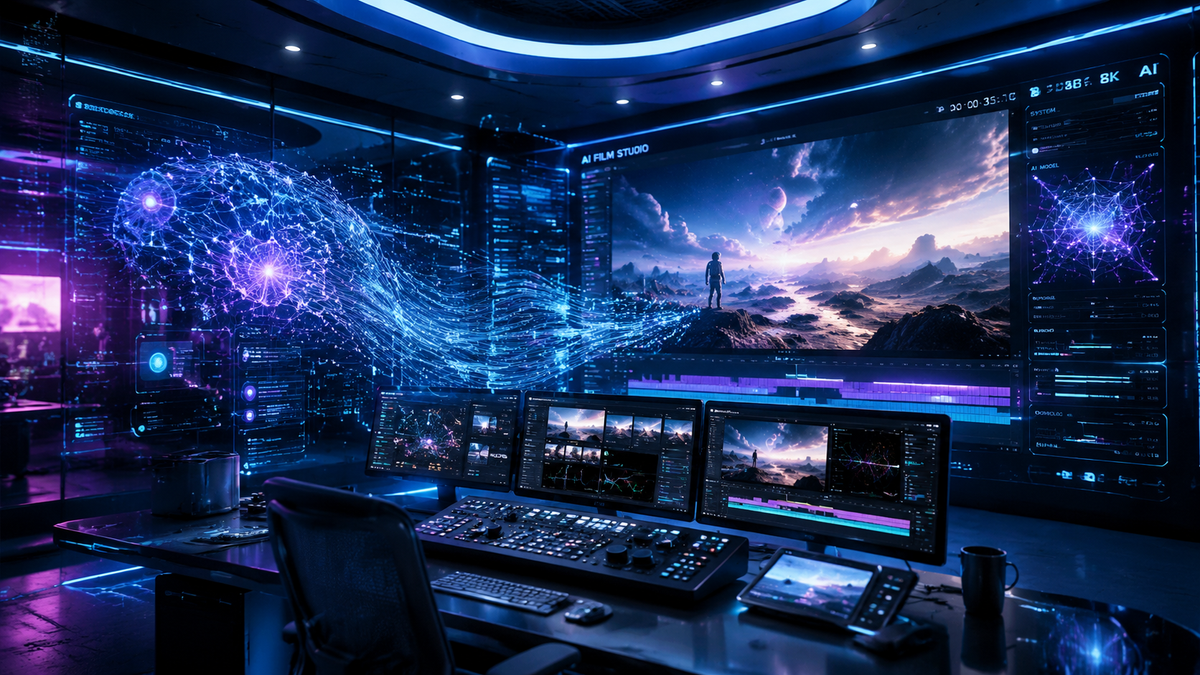
The landscape of digital content creation has shifted dramatically, and understanding the ai video editing trends for 2026 is essential for creators looking to stay competitive in an automated world. This year, the focus has moved from simple automation to deep generative integration, where AI is no longer just a tool but a collaborative partner in the creative process. From the rise of simplified mobile editing on platforms like Instagram to the ethical complexities of face-swapping in corporate environments, 2026 marks the year video production became truly democratized and hyper-personalized.
AI video editing trends for 2026 represent a shift toward generative storytelling, featuring real-time prompt-to-video capabilities, advanced face-swap tools for HR and marketing, and simplified mobile interfaces. These trends leverage hyper-automation to reduce production times by up to 80%, allowing creators to focus on high-level narrative strategy rather than manual technical execution.
- ✓ Generative AI has moved from experimental filters to full-scale automated video production workflows.
- ✓ Social media platforms like Instagram have integrated simplified AI editing directly into their native interfaces.
- ✓ Market statistics show a significant rise in AI adoption, with specialized software now dominating the professional editor's toolkit.
- ✓ Ethical considerations regarding AI face-swapping and deepfake technology have become a primary focus for HR and legal departments.
- ✓ Real-time collaboration between human editors and AI agents is the new industry standard for 2026.
The Current State of AI Video Editing Trends for 2026
As we navigate through 2026, the video editing industry is experiencing an unprecedented surge in both capability and accessibility. According to ALM Corp, the market size for video editing software has reached new heights, driven largely by the rapid adoption of AI-integrated features. This growth isn't just limited to professional studios; it spans across freelance sectors and corporate communications, where the demand for rapid-fire video content is at an all-time high. The data indicates that editor pay is increasingly tied to proficiency with AI tools, as those who can leverage automation to produce high-quality outputs faster are commanding higher premiums.
The democratization of video is perhaps most visible in the social media space. Social Media Today recently highlighted how Instagram has brought simplified AI video to its "Edits" feature, allowing casual users to perform complex visual tasks—like background removal, object tracking, and generative filling—with a single tap. This trend toward "invisible" AI means that the technical barrier to entry has virtually vanished, making 2026 the year of the universal creator. Whether it is for a global brand or a personal vlog, the tools are now powerful enough to handle the heavy lifting of color grading and sound design automatically.
The Rise of Generative Platforms
Platforms dedicated to generative video have evolved beyond the "uncanny valley" of previous years. As noted by Trend Hunter, AI video editing platforms in 2026 are now capable of generating consistent characters and environments across multiple scenes. This solves the primary challenge of temporal consistency that plagued earlier versions of AI video. Creators can now input a script, and the AI will suggest a storyboard, generate the B-roll, and sync it to a licensed, AI-generated soundtrack that matches the emotional arc of the narrative.
How to Implement AI Video Editing Trends for 2026
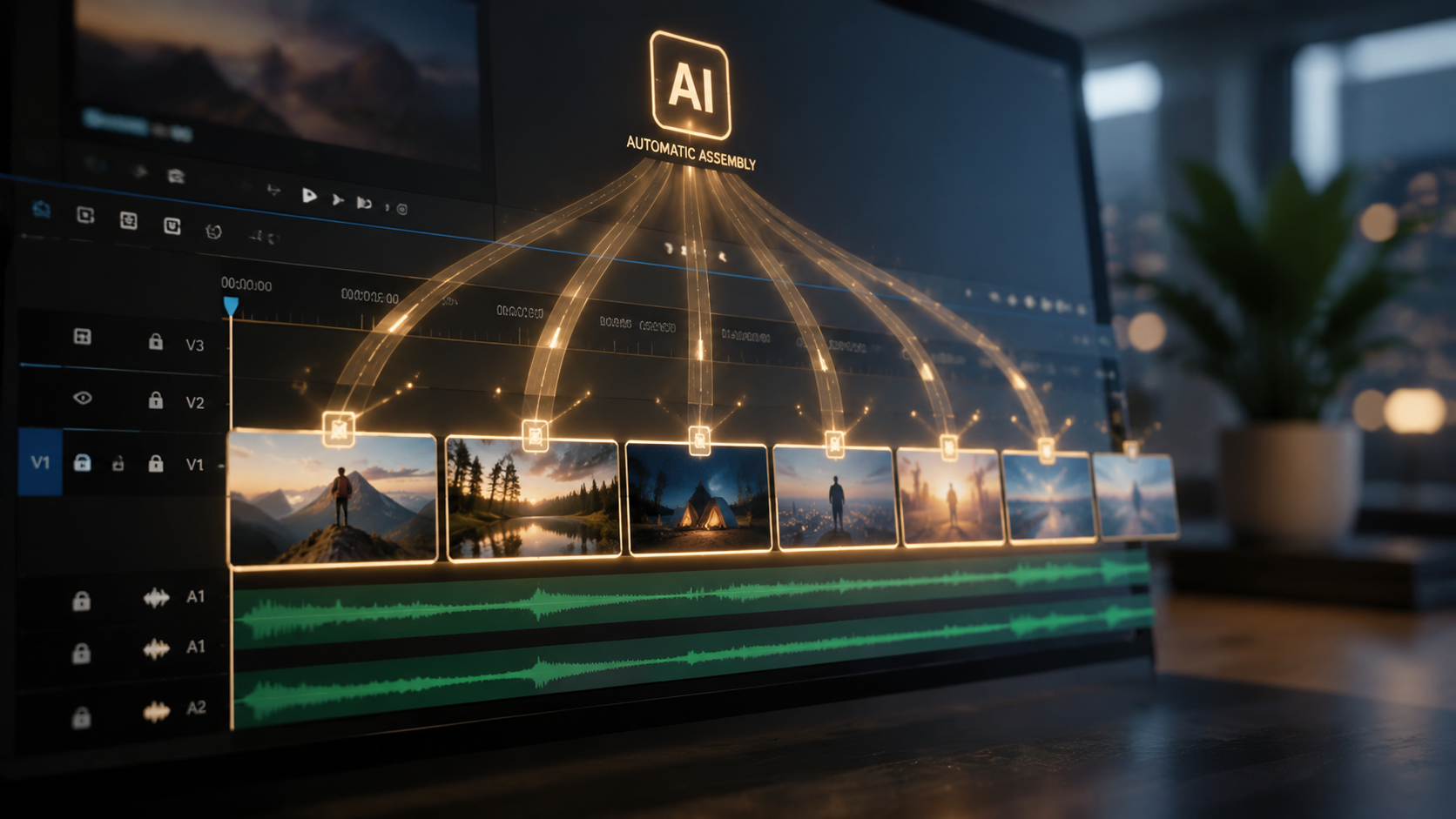
Adopting these new technologies requires a strategic approach to ensure that the human element of storytelling remains at the forefront. If you are looking to modernize your workflow, follow these steps to integrate the latest AI capabilities into your production cycle.
- Audit Your Current Workflow: Identify time-consuming manual tasks such as transcribing, rough cutting, or basic color correction. These are the first candidates for AI automation.
- Select a Generative AI Platform: Choose a platform that offers temporal consistency and "prompt-to-video" features. Look for tools that allow for granular control over the generated output.
- Integrate Social-First AI Tools: Utilize native AI features in apps like Instagram for short-form content to take advantage of the simplified editing interfaces mentioned by Social Media Today.
- Apply Face-Swap and Personalization Ethics: If using AI face-swap tools for marketing or training, ensure you have a clear ethical framework and consent protocols in place, as these tools are now a major trend in HR departments.
- Refine with Human Oversight: Use the AI-generated draft as a foundation. The final 10% of the edit—the emotional pacing and unique creative flourishes—should still be guided by a human editor.
Comparison of AI Video Editing Capabilities in 2026
To better understand the landscape, it is helpful to compare the different tiers of AI tools available this year. The following table outlines the key features found in modern AI video editing suites.
| Feature Category | Standard AI (2025) | Advanced AI (2026) | Primary Use Case |
|---|---|---|---|
| Generative Filling | Static background replacement | Dynamic, physics-aware object insertion | Film production and VFX |
| Face-Swap Tech | Basic overlay / filters | High-fidelity, HR-compliant digital doubles | Corporate training and Localization |
| Audio Integration | Basic noise reduction | Generative scoring and voice cloning | Podcasting and Marketing |
| Mobile Integration | Third-party apps only | Native platform integration (Instagram/TikTok) | Social Media Influencers |
The Impact of AI Face-Swap and Identity Tools
One of the most significant ai video editing trends for 2026 is the professionalization of face-swap technology. While once relegated to the realm of "deepfakes" and entertainment, Onrec reports that AI face-swap tools have become a trend that HR departments can no longer ignore. In a globalized economy, companies are using these tools to localize training videos, allowing a single spokesperson to appear to speak multiple languages with perfect lip-syncing and culturally relevant facial expressions.
However, this trend brings a new set of challenges regarding digital identity and security. HR departments are now tasked with creating "Digital Identity Policies" to govern how an employee's likeness can be used in corporate materials. The sophistication of these tools in 2026 means that the line between a real recording and a generative one is nearly indistinguishable, necessitating the use of digital watermarks and blockchain-based verification to ensure the authenticity of video communications.
Cultural Trends and Viral Content
The intersection of AI and culture is also driving new editing styles. For instance, Jagran Josh has documented the "Korean AI Baseball Trend," where creators use ChatGPT photo and video prompts to transform standard footage into stylized, anime-inspired sports highlights. This highlights a broader trend: AI is being used to bridge the gap between different media formats, allowing creators to apply specific cultural aesthetics to their videos with minimal effort. This type of "aesthetic-on-demand" editing is a hallmark of the 2026 creative economy.
Future Outlook: AI Video Editor Trends in 2026 and Beyond
Looking toward the end of the year and into 2027, the role of the video editor is evolving into that of a "Creative Director of AI." As Metricool emphasizes in their recent analysis, the future of video creation lies in the ability to manage multiple AI agents simultaneously. We are moving away from a linear timeline-based editing approach and toward a prompt-based, iterative workflow. In this environment, the editor provides the vision, and the AI provides the technical variations.
According to ALM Corp, software share is shifting toward platforms that offer "all-in-one" generative ecosystems. Editors are moving away from fragmented workflows where they jump between five different apps to a single environment where text-to-speech, text-to-video, and automated distribution are all handled by a unified AI engine. This consolidation is expected to increase the total volume of video content produced globally by over 400% compared to previous years, as the cost per minute of high-quality video continues to drop.
The Sustainability of AI Editing
As the volume of content increases, the industry is also addressing the computational cost of AI. Trends for 2026 include the rise of "Edge-AI" editing, where much of the processing is done locally on the creator's device rather than in the cloud. This reduces latency and addresses environmental concerns related to the massive energy consumption of data centers. Manufacturers of editing hardware are now including dedicated AI processing units (NPUs) as a standard feature, ensuring that the ai video editing trends for 2026 are accessible even without a high-speed internet connection.
Strategic Implementation for Brands
For brands looking to capitalize on these trends, the focus should be on hyper-personalization. AI now allows for "Dynamic Video Content," where a single video can be automatically edited into thousands of variations, each tailored to the specific viewer's preferences, location, and viewing habits. This level of granularity was impossible two years ago but is now a standard feature in high-end AI video editing platforms. By utilizing these tools, brands can see a significant increase in engagement and conversion rates, as the content feels uniquely crafted for every individual user.
What are the primary ai video editing trends for 2026?
The primary trends include the integration of generative AI into social media platforms like Instagram, the use of high-fidelity face-swap tools for corporate training, and the shift toward prompt-based video creation. These tools are designed to automate technical tasks while allowing for greater creative personalization.
How has AI changed the salary for video editors in 2026?
According to statistics from ALM Corp, editor pay is increasingly bifurcated; editors who master AI tools are seeing higher wages due to increased efficiency, while those who stick to traditional manual methods may face downward pressure on rates for basic tasks.
Are AI face-swap tools safe for corporate use?
While highly effective for localization and training, they require strict ethical guidelines. HR departments in 2026 are implementing specific policies to manage consent and the digital likeness of employees to prevent misuse.
Can AI generate a full video from just a text prompt in 2026?
Yes, modern AI video editing platforms have reached a level of maturity where they can generate consistent, high-definition video sequences from text prompts, including synchronized audio and logical narrative flow.
What is the "Korean AI Baseball Trend"?
It is a viral social media trend where creators use AI prompts to transform real-life sports footage into stylized, anime-like visual content, demonstrating the power of AI to apply complex cultural aesthetics to video instantly.
Comments ()