
AI Video Editing for YouTube Creators: 2026 Strategy Guide
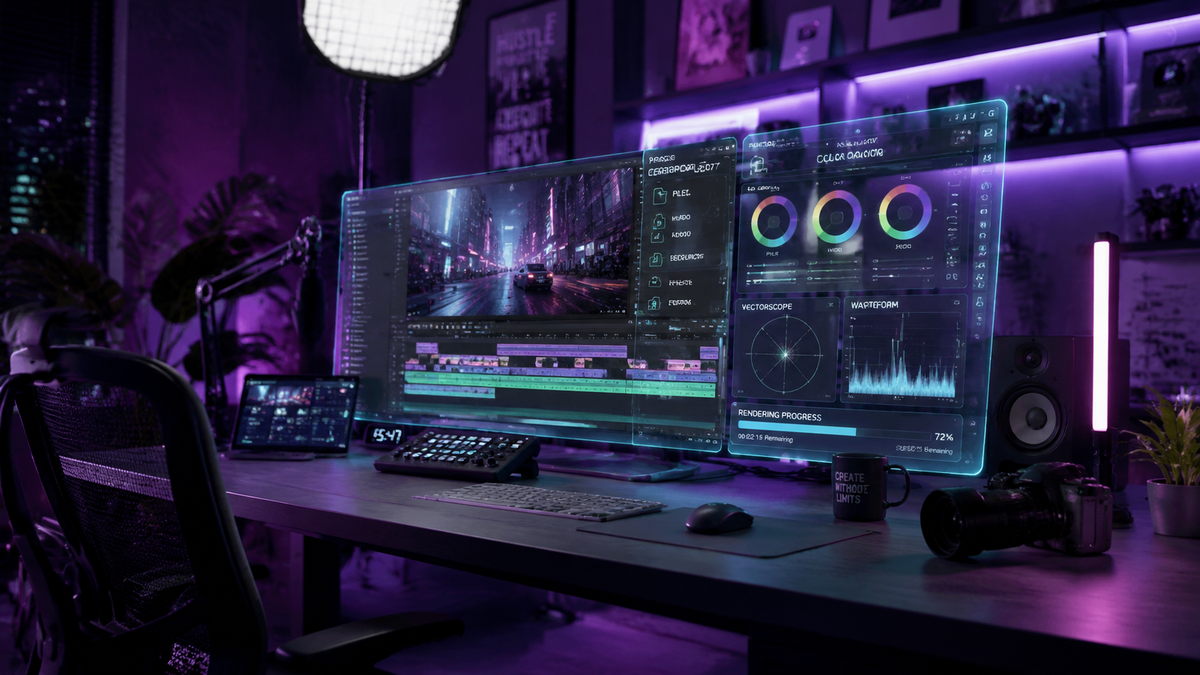
AI video editing for YouTube creators is the application of machine learning and generative artificial intelligence to automate the post-production process, including color grading, audio restoration, and scene cutting. In 2026, this technology has evolved from simple automation to a collaborative creative partner that allows creators to produce high-quality cinematic content in a fraction of the time previously required. By leveraging tools like AI Video Cut and the latest Adobe-YouTube integrations, creators can focus more on storytelling and less on technical bottlenecks.
AI video editing for YouTube creators is a workflow transformation that utilizes neural networks to handle repetitive tasks such as b-roll selection, noise reduction, and copyright-safe music replacement. In 2026, it serves as an essential bridge between raw footage and viral-ready content, enabling creators to maintain high upload frequencies without sacrificing production value or creative control.
- ✓ AI-driven "one-touch" tools now handle complex tasks like music copyright resolution and multi-cam syncing.
- ✓ Strategic partnerships between Adobe and YouTube have streamlined the direct-to-platform publishing pipeline.
- ✓ Automated "AI Video Cut" technology is now the industry standard for rapid short-form content creation.
- ✓ Generative audio allows for the instant replacement of copyrighted tracks with AI-composed, platform-safe alternatives.
The Evolution of AI Video Editing for YouTube Creators in 2026
The landscape of content creation has undergone a seismic shift as we move through 2026. For YouTube creators, the integration of artificial intelligence is no longer a luxury or a niche experiment; it is the backbone of the modern digital studio. According to PCMag, the best video editing software tested for 2026 now features deep AI integration that anticipates a creator's needs, offering suggestions for pacing, transitions, and even narrative structure based on historical audience retention data.
This evolution is characterized by a move away from manual "timeline scrubbing" toward intent-based editing. Creators are now using natural language processing to describe the mood of a scene, allowing the software to automatically apply color LUTs and soundscapes that match the description. This shift has democratized high-end production, allowing solo creators to achieve the same polish as large media houses. As Container News reports, AI video editors are fundamentally changing the game by removing the technical barriers that previously discouraged many aspiring YouTubers from entering the space.
Furthermore, the collaboration between major tech giants has solidified this ecosystem. The Adobe and YouTube partnership, established in late 2025, has reached full maturity in 2026, providing a seamless bridge between Premiere Pro’s generative tools and YouTube’s backend studio. This partnership ensures that metadata, captions, and even thumbnail variations are generated automatically during the export process, optimizing every video for the YouTube algorithm before it even goes live.
Step-by-Step Guide: Implementing an AI Workflow
- Ingest and Auto-Tag: Upload your raw footage into an AI-enabled editor like Adobe Premiere or AI Video Cut. The software will automatically tag clips by subject, emotion, and technical quality.
- Generate a Rough Cut: Use a text-to-video command to create a "best-of" assembly based on your script or voiceover track.
- AI Audio Cleanup: Apply neural noise reduction to eliminate background hums and enhance vocal clarity to studio-grade standards.
- Copyright Resolution: Use the new YouTube AI tools to identify and replace any copyrighted music with AI-generated tracks that match the original tempo and energy.
- Optimization and Export: Utilize AI-generated metadata and A/B tested thumbnails provided by the integrated YouTube-Adobe creative suite.
Core Features of 2026 AI Video Editing Software
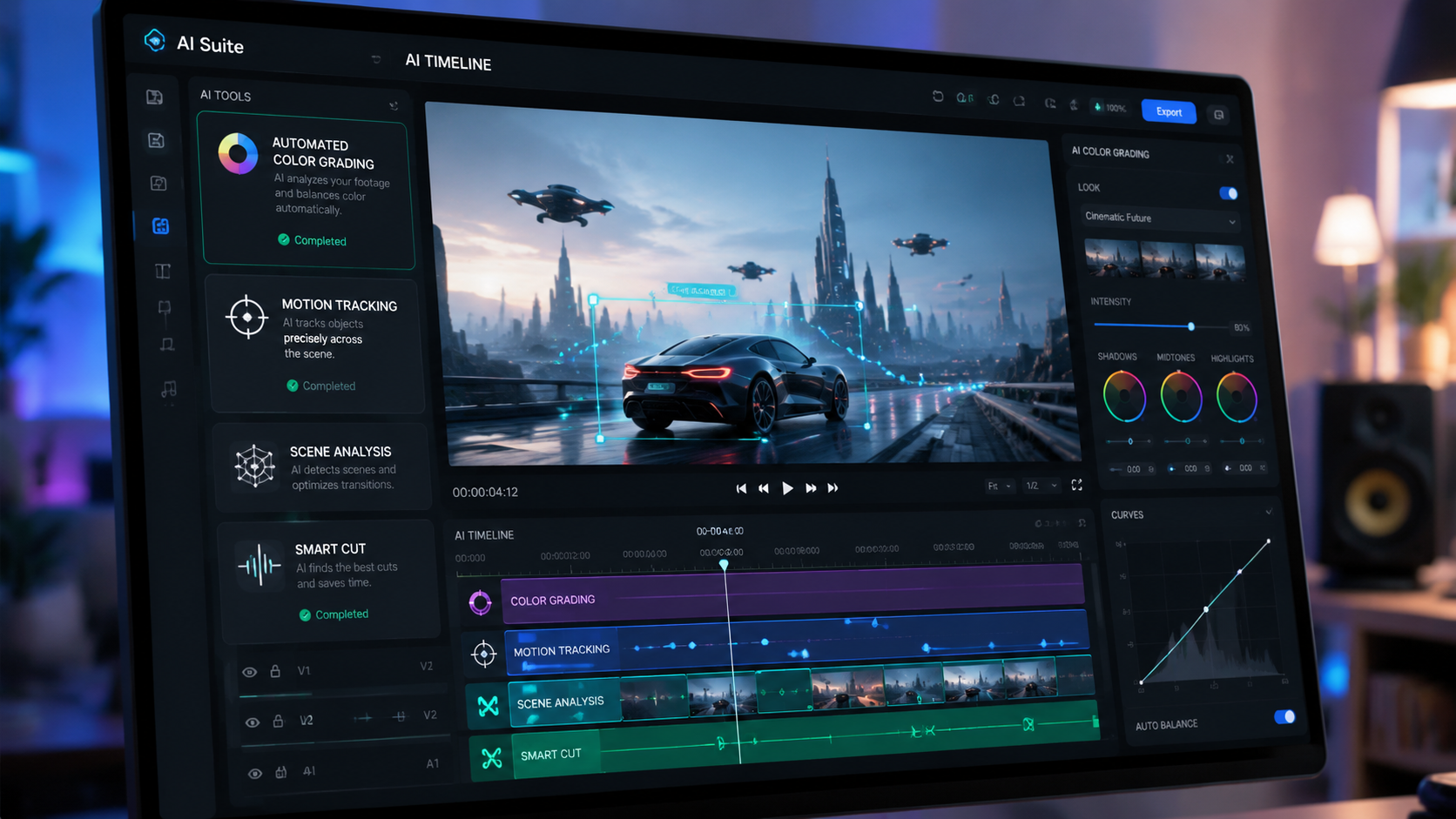
The current generation of tools focuses on solving the most time-consuming aspects of the creative process. One of the most significant breakthroughs is the AI Video Cut technology. As highlighted by perfectcorp.com in May 2026, this is currently the easiest way to create videos, specifically tailored for the fast-paced world of YouTube Shorts and TikTok. It analyzes long-form footage to identify high-engagement moments and automatically reformats them into vertical clips with dynamic captions.
Another critical feature is the advancement in audio management. YouTube creators hit by music copyright claims can now breathe a sigh of relief. According to Music Business Worldwide, creators can now replace flagged tracks with AI-composed music at the touch of a button. This tool doesn't just swap the audio; it recomposes the new track to sync perfectly with the existing video cuts, ensuring that the rhythm and emotional impact of the content remain intact while avoiding demonetization.
Finally, generative b-roll has become a staple for educational and commentary channels. Instead of searching through stock footage libraries for hours, creators can now generate hyper-realistic, contextually relevant b-roll clips directly within their editing timeline. This ensures that every visual element is unique to the creator’s brand and perfectly aligned with the spoken word, a feature that was merely a prototype just a few years ago.
| Feature | Traditional Editing (Pre-2025) | AI Video Editing (2026) |
|---|---|---|
| Trimming & Cutting | Manual frame-by-frame selection. | AI Video Cut identifies highlights automatically. |
| Audio Restoration | Complex EQ and compression plugins. | One-click neural vocal enhancement. |
| Copyright Management | Manual disputes or track removal. | Instant AI-generated music replacement. |
| B-Roll Sourcing | Subscription stock sites. | On-demand generative video clips. |
| Color Grading | Manual color correction. | Semantic grading based on mood descriptions. |
How AI Video Editing for YouTube Creators Boosts Productivity
Productivity in 2026 is measured by the ability to scale. For many creators, the bottleneck has always been the "edit-to-upload" ratio. With the introduction of AI-driven creative tools, as discussed in the YouTube Official Blog, the time required to produce a 10-minute vlog has decreased by over 60%. These tools handle the "grunt work"—such as silences removal, subtitle generation, and color matching across different cameras—allowing the creator to focus on the hook and the call to action.
Moreover, the integration of predictive analytics within the editing suite allows creators to see "retention heatmaps" before they publish. The AI analyzes the edit and predicts where viewers are likely to drop off, suggesting a faster cut or a visual change to maintain engagement. This proactive approach to editing is a hallmark of the 2026 strategy guide, shifting the creator's role from a technician to a high-level creative director.
Maximizing Engagement with AI-Driven Visuals
Visual storytelling has reached new heights with "Neural Re-lighting" and "Digital Wardrobe" features. If a creator records a video in poor lighting, AI tools can now re-simulate light sources in 3D space, making a bedroom setup look like a professional studio. This level of post-production flexibility means that "bad takes" are almost a thing of the past, significantly reducing the need for re-shoots and saving valuable time for busy YouTube creators.
Strategic Integration: Adobe and YouTube Partnership
The Adobe and YouTube partnership is perhaps the most influential development for professional creators in 2026. This collaboration has resulted in a unified "Creative Cloud for Creators" that provides direct access to YouTube’s Content ID API. This allows editors to check for potential copyright or community guideline violations in real-time as they edit, rather than waiting for the video to process after upload.
This partnership also introduces "Smart Export" profiles. These profiles use machine learning to analyze the current trending formats on YouTube—whether it's a specific HDR setting or a new spatial audio standard—and automatically adjust the export settings to ensure the video looks and sounds best on all devices. According to Adobe Newsroom, this initiative was designed specifically to empower creators to grow their audiences by removing the technical friction of platform-specific optimization.
The Role of AI in Multi-Language Expansion
For creators looking to go global, AI video editing has simplified the localization process. Automated dubbing that preserves the creator's original voice and tone is now a standard feature in high-end suites. By 2026, a creator can upload a video in English and have AI-generated, lip-synced versions in Spanish, Hindi, and Japanese ready within minutes. This capability has opened up massive new markets for YouTube creators who were previously limited by language barriers.
Future-Proofing Your Channel with AI Video Editing for YouTube Creators
To stay competitive in 2026, creators must adopt an "AI-first" mindset. This does not mean letting the AI do all the work, but rather using it to augment human creativity. The most successful channels are those that use AI to handle the repetitive elements while doubling down on personal branding, unique perspectives, and community interaction. As PCMag notes in their 2026 reviews, the best software is the one that stays out of the creator's way while providing powerful background assistance.
Staying updated with the latest releases is also crucial. Tools like AI Video Cut are updated weekly with new aesthetic styles and pacing algorithms based on the latest viral trends. Creators who ignore these updates risk their content looking dated compared to the fast-moving standards of the YouTube ecosystem. In 2026, being a "tech-savvy" creator means being an "AI-literate" creator.
Ethical Considerations and Authenticity
As AI becomes more prevalent, authenticity becomes a creator's most valuable currency. While AI can edit, color, and even script a video, it cannot replace the genuine human connection that viewers crave. The 2026 strategy involves using AI to enhance the "delivery" of the message, while ensuring the "core" of the message remains authentically human. Transparency about the use of AI tools is also becoming a trend, with many creators including "AI-Assisted" disclosures in their descriptions to build trust with their audience.
Is AI video editing for YouTube creators expensive in 2026?
While premium suites like Adobe Premiere Pro require a subscription, many accessible tools like AI Video Cut offer tiered pricing, including robust free versions. The cost is often offset by the significant reduction in time spent on manual editing.
Can AI replace my video editor?
AI acts as a powerful assistant rather than a full replacement for high-level creative editors. It excels at technical tasks, but human editors are still essential for nuanced storytelling, humor, and complex emotional pacing.
How does YouTube's AI music replacement work?
When a copyright claim is detected, YouTube’s integrated AI analyzes the video’s rhythm and mood. It then generates a unique, royalty-free track that fits the edit perfectly, allowing the creator to keep their ad revenue.
Will using AI video editing hurt my channel's reach?
No, YouTube's algorithm prioritizes viewer satisfaction and retention. If AI helps you produce higher-quality, more engaging content more frequently, your channel's reach is likely to increase, not decrease.
What is the best AI tool for YouTube Shorts in 2026?
AI Video Cut is widely considered the top choice for 2026 due to its ability to instantly transform long-form landscape footage into high-energy, vertical short-form content with automated captions and effects.



Comments ()