
AI Video Editing for Streamers: Best 2026 Tools & Tips
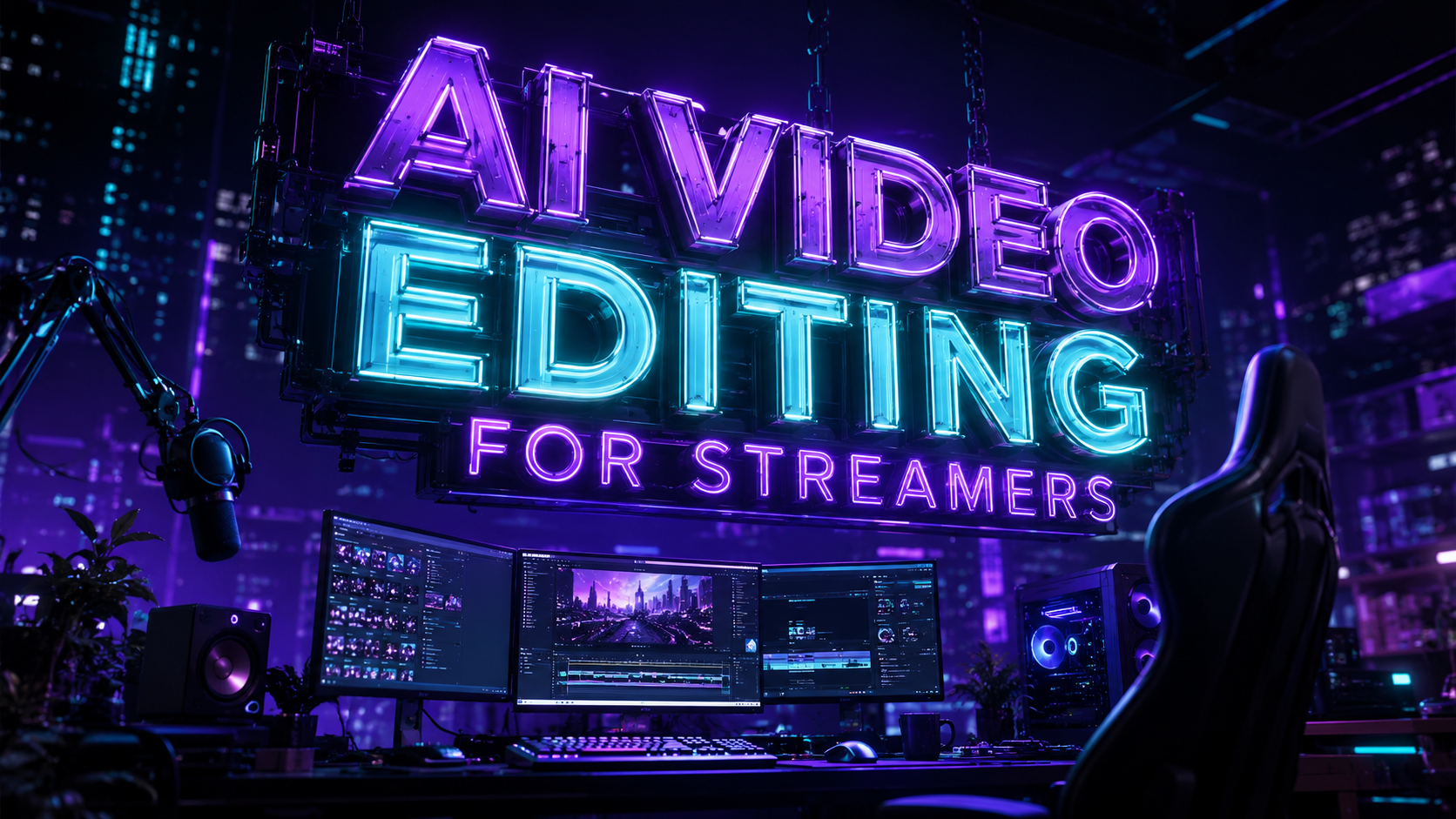
AI video editing for streamers is the use of artificial intelligence and machine learning algorithms to automate the post-production process, specifically transforming long-form live broadcasts into high-engagement short-form content. In 2026, this technology has evolved to include real-time cloud upscaling, automated highlight detection, and generative scene expansion, allowing creators to maintain a daily posting schedule across multiple platforms with minimal manual effort.
AI video editing for streamers is a transformative workflow where software automatically identifies peak moments in a livestream, applies cinematic color grading, and re-frames footage for vertical formats. By utilizing 2026-era tools like Audials One and cloud-integrated AI upscaling, streamers can reduce their editing time by up to 90% while maintaining professional broadcast quality.
- ✓ AI-driven cloud upscaling is now the industry standard for converting 1080p streams into 4K-ready social clips.
- ✓ Strategic integration of "Shorts" editing tools directly within platforms like YouTube is streamlining the creator workflow.
- ✓ Major streaming giants like Netflix are investing heavily in AI filmmaking startups, signaling a shift toward AI-native production.
- ✓ Automated highlight detection uses viewer engagement metrics and sentiment analysis to find the "viral" moments in a broadcast.
The Evolution of AI Video Editing for Streamers in 2026
As we navigate through 2026, the landscape of digital content creation has undergone a seismic shift. No longer is video editing a tedious, frame-by-frame manual process. For the modern creator, ai video editing for streamers has become an essential component of their tech stack. This evolution is driven by the need for speed; as platforms like TikTok and YouTube Shorts dominate viewer attention, the ability to turn an eight-hour Twitch stream into ten viral clips within minutes is the difference between growth and stagnation.
According to recent reports from Inc.com, creators and AI are currently reshaping the video landscape, with AI-native tools allowing individual streamers to compete with mid-sized production houses. The integration of AI isn't just about cutting clips; it’s about intelligent enhancement. For instance, the latest release of Audials One 2026 has merged its various streaming tools into a unified suite that features cloud-based AI video upscaling. This allows streamers to take low-bitrate live footage and enhance it to high-definition clarity for permanent archives or social media promotion.
Furthermore, the industry is seeing a massive influx of institutional capital. Variety recently reported that Netflix acquired a specialized AI filmmaking start-up founded by Ben Affleck. This move suggests that the boundaries between professional cinematic AI and creator-level tools are blurring. As these high-end technologies trickle down to consumer software, streamers in 2026 now have access to "virtual cinematographers" that can automatically adjust lighting, remove background noise, and even generate b-roll footage based on the context of their speech.
How to Implement AI Video Editing for Streamers: A Step-by-Step Guide
- Capture and Sync: Record your live broadcast using a tool that supports metadata tagging. Modern 2026 tools allow you to "flag" moments during the live stream that the AI should prioritize during the editing phase.
- Upload to AI Cloud: Import your raw footage into an AI-driven platform. For those using 2026 versions of software like Audials One, utilize the cloud upscaling feature to ensure your clips meet the visual standards of modern 4K displays.
- Automated Clipping: Run the "Highlight Detection" algorithm. The AI will analyze chat spikes, audio levels, and on-screen action to isolate the most engaging segments of your stream.
- Format and Reframe: Select the target platform (e.g., YouTube Shorts, Instagram Reels). The AI will automatically reframe the video from 16:9 to 9:16, keeping your face and the action centered using intelligent motion tracking.
- Review and Export: Briefly review the AI-generated captions and transitions. Once satisfied, use the direct-to-platform export feature to publish your content across all social channels simultaneously.
Top AI Video Editing Tools for Streamers in 2026
The market for ai video editing for streamers has matured significantly this year. PCMag’s 2026 testing of video editing software highlights a trend toward "invisible editing," where the software performs complex tasks like object removal and color matching without user intervention. These tools are no longer just utilities; they are creative partners that suggest edits based on trending styles and music beats currently popular on social media.
One of the standout performers this year is the updated YouTube internal suite. As reported by Social Media Today, YouTube has expanded its livestream donations and updated its Shorts editing tools to include more robust AI features. This allows streamers to edit their content directly within the platform's ecosystem, reducing the need for expensive third-party software while maintaining high production values. The focus is on "frictionless creation," where the distance between "going live" and "going viral" is shorter than ever.
| Feature | Audials One 2026 | YouTube Shorts AI | Affleck-Era AI (Netflix Tech) |
|---|---|---|---|
| Primary Use | Upscaling & Merging Streams | Quick Mobile-First Clipping | Cinematic Narrative Editing |
| AI Strength | Cloud-based Video Enhancement | Trend-based Music Syncing | Generative Scene Expansion |
| Difficulty | Intermediate | Beginner | Professional/Enterprise |
| Platform Focus | Cross-platform / Local Storage | YouTube Ecosystem | High-end Streaming Media |
The Impact of AI on Content Ownership and Litigation
With the rise of powerful generative tools, 2026 has also seen a spike in legal complexities. A major story from Yahoo Finance detailed a legal warning from Netflix to ByteDance (TikTok's parent company). The dispute involves the use of AI to create unauthorized videos featuring high-profile figures like Elon Musk or characters from "Squid Game." This highlights a critical lesson for streamers using ai video editing for streamers: while the tools are powerful, the source material must be used ethically and legally.
For streamers, this means that AI tools should be used to enhance their own original content rather than generating deepfakes or infringing on copyrighted IP. The 2026 suite of AI tools often includes "Copyright Checkers" that scan your edited clips against global databases before you post. This proactive approach helps creators avoid the litigation risks that are currently plaguing the larger tech giants. As AI becomes more capable of generating realistic human likenesses, the responsibility of the creator to maintain authenticity has never been higher.
The Role of Generative AI in Live Sports and Real-Time Streaming
Live sports streaming has become a primary testing ground for advanced AI editing. Inc.com notes that the integration of AI in live sports is reshaping how fans consume video. Streamers who focus on sports or competitive gaming (Esports) can now use AI to generate "Instant AI Recaps." These are short, edited packages of a game's best moments, produced and published while the game is still in progress. This level of immediacy was impossible two years ago but is now a standard expectation for audiences in 2026.
Advanced Tips for Maximizing AI Video Editing for Streamers
To truly stand out in a saturated market, streamers must go beyond the default settings of their AI tools. The first tip for 2026 is to leverage "Sentiment-Based Clipping." Most modern AI editors can analyze the sentiment of your live chat. By syncing your editing software with your chat logs, the AI can identify not just when people were loud, but when they were genuinely excited, surprised, or amused. This leads to clips that resonate on a deeper emotional level with your audience.
Another advanced technique involves the use of AI-driven "B-Roll Generation." If you are explaining a complex topic during your stream, 2026 AI tools can listen to your speech and automatically overlay relevant, high-quality stock footage or AI-generated visuals that illustrate your point. This keeps the viewer visually engaged even during "just chatting" segments. According to industry experts, videos that use contextual B-roll have a 40% higher retention rate than those that rely solely on a webcam feed.
Optimizing for Generative Search Engines (GEO)
As a streamer, your content needs to be discoverable not just on social media, but also through generative search engines like Perplexity and Gemini. When using ai video editing for streamers, ensure your tools are generating "Search-Optimized Metadata." This includes AI-written transcripts, summaries, and keyword-rich descriptions that help generative engines understand the context of your video. In 2026, SEO is no longer just about tags; it's about the semantic depth of the data attached to your video files.
Future Outlook: Beyond 2026
The trajectory of AI in the streaming world suggests a move toward "Interactive AI Streams." We are already seeing the beginnings of this with the Netflix acquisition of AI startups. In the near future, viewers might be able to toggle the "edit style" of a stream in real-time, choosing between a high-energy "hype" edit or a more relaxed "lo-fi" version of the same broadcast. For the streamer, this means the AI isn't just an editor; it's a dynamic director capable of catering to different audience segments simultaneously.
Furthermore, the merging of streaming tools, as seen in the Audials One 2026 update, indicates a future where the hardware requirements for high-end editing will vanish. Everything will be handled in the cloud. Streamers will be able to manage their entire content empire from a tablet or even a smartphone, with powerful AI servers doing the heavy lifting of rendering, upscaling, and distributing content globally. The barrier to entry has never been lower, but the ceiling for creative excellence has never been higher.
What is the best AI video editing tool for streamers in 2026?
Audials One 2026 is currently a top choice for streamers due to its integrated cloud AI upscaling and the merging of multiple streaming management tools into one interface. For those focused specifically on YouTube, the platform's native AI Shorts tools offer the most seamless experience.
Can AI video editing help grow my Twitch or YouTube channel?
Yes, AI video editing allows you to maintain a consistent presence across all social media platforms by automatically converting long streams into short, viral-ready clips. This multi-platform strategy is essential for discovery in 2026.
Is AI upscaling worth it for my stream clips?
According to PCMag's 2026 reviews, AI upscaling is highly effective for improving the visual quality of clips taken from lower-resolution streams. It makes your content look professional on 4K displays and high-end mobile devices.
Are there legal risks to using AI video editing?
The main risk involves using AI to generate content using copyrighted characters or celebrity likenesses without permission. As seen in the 2026 Netflix vs. ByteDance dispute, companies are becoming more aggressive in protecting their intellectual property from unauthorized AI use.
How much does AI video editing software cost in 2026?
Pricing varies, but most professional-grade AI suites operate on a subscription model ranging from $15 to $50 per month. However, many basic AI clipping features are now being integrated for free into platforms like YouTube and Twitch.
Comments ()