
AI Video Editing for Social Media: 2026 Strategy Guide
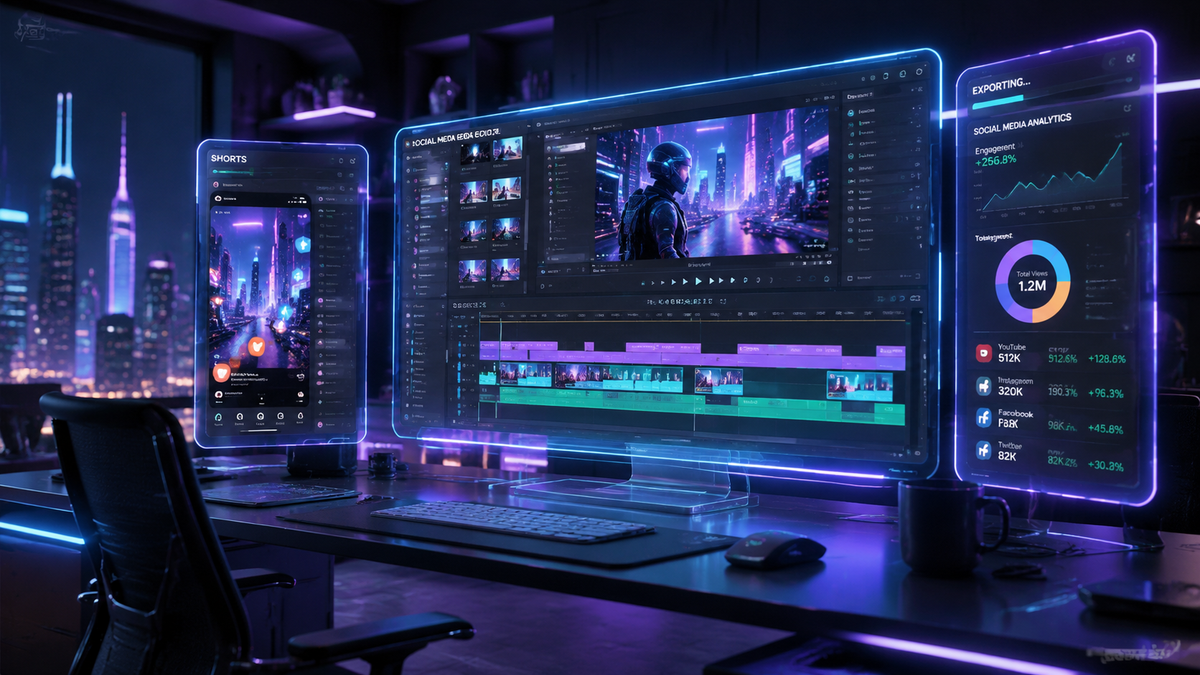
AI video editing for social media is the process of using artificial intelligence and machine learning algorithms to automate the creation, enhancement, and optimization of video content for platforms like Instagram, TikTok, and YouTube. In 2026, this technology has evolved beyond simple filters to include generative scene creation, automatic background removal, and intelligent pacing that aligns with trending audio patterns. By leveraging these tools, creators can produce high-quality, professional-grade visuals in a fraction of the time required by traditional software.
AI video editing for social media is a transformative workflow that utilizes neural networks to handle complex tasks such as object tracking, automated subtitling, and generative B-roll creation. It enables creators to turn text prompts or raw footage into polished, platform-optimized videos instantly, ensuring high engagement through data-driven visual storytelling and automated formatting for various aspect ratios.
- ✓ AI tools now allow for "one-click" background removal and scene editing, making high-production value accessible to beginners.
- ✓ Platforms like Instagram have integrated native AI editing suites directly into their mobile interfaces for seamless content creation.
- ✓ Generative AI video generators can now produce stunning, photorealistic clips from simple text prompts in under three minutes.
- ✓ Professional-grade software in 2026 focuses on "co-pilot" features that assist rather than replace the human creative director.
The Evolution of AI Video Editing for Social Media in 2026
As we navigate through 2026, the landscape of digital content has shifted from manual frame-by-frame editing to intent-based creation. The integration of artificial intelligence has democratized the video production process, allowing small businesses and individual influencers to compete with major media houses. According to PCMag, the best video editing software of 2026 now prioritizes "intelligent automation," which handles the tedious aspects of editing—such as color grading and audio leveling—automatically, allowing creators to focus on narrative and strategy.
The primary driver of this change is the rapid advancement in generative models. We are no longer just "editing" existing footage; we are "generating" environments. Whether it is replacing a cluttered room with a professional studio background or extending a five-second clip into a thirty-second cinematic experience, ai video editing for social media has become an essential skill for anyone looking to maintain a consistent online presence. The speed of production has increased by over 400% compared to two years ago, enabling a "post-daily" strategy without the risk of creator burnout.
How to Implement an AI Video Strategy: A Step-by-Step Guide
- Select Your Generative Platform: Choose an AI video maker that specializes in your niche, whether it’s photorealistic product showcases or animated educational content.
- Input Your Core Assets: Upload your raw footage or provide a detailed text prompt to the AI generator to establish the base narrative.
- Apply AI Scene Edits: Use tools highlighted by High On Films to remove backgrounds, swap objects, or enhance lighting conditions dynamically.
- Optimize for Platform Algorithms: Utilize AI-driven "smart cropping" to ensure your video’s focal point is centered for TikTok, Instagram Reels, and YouTube Shorts simultaneously.
- Generate Automated Captions and Voiceovers: Sync your video with AI-generated speech in multiple languages to increase global reach and accessibility.
- Review and Refine: Use the AI "co-pilot" to suggest cuts based on the rhythm of your chosen background music before final export.
Comparing the Top AI Video Tools of 2026
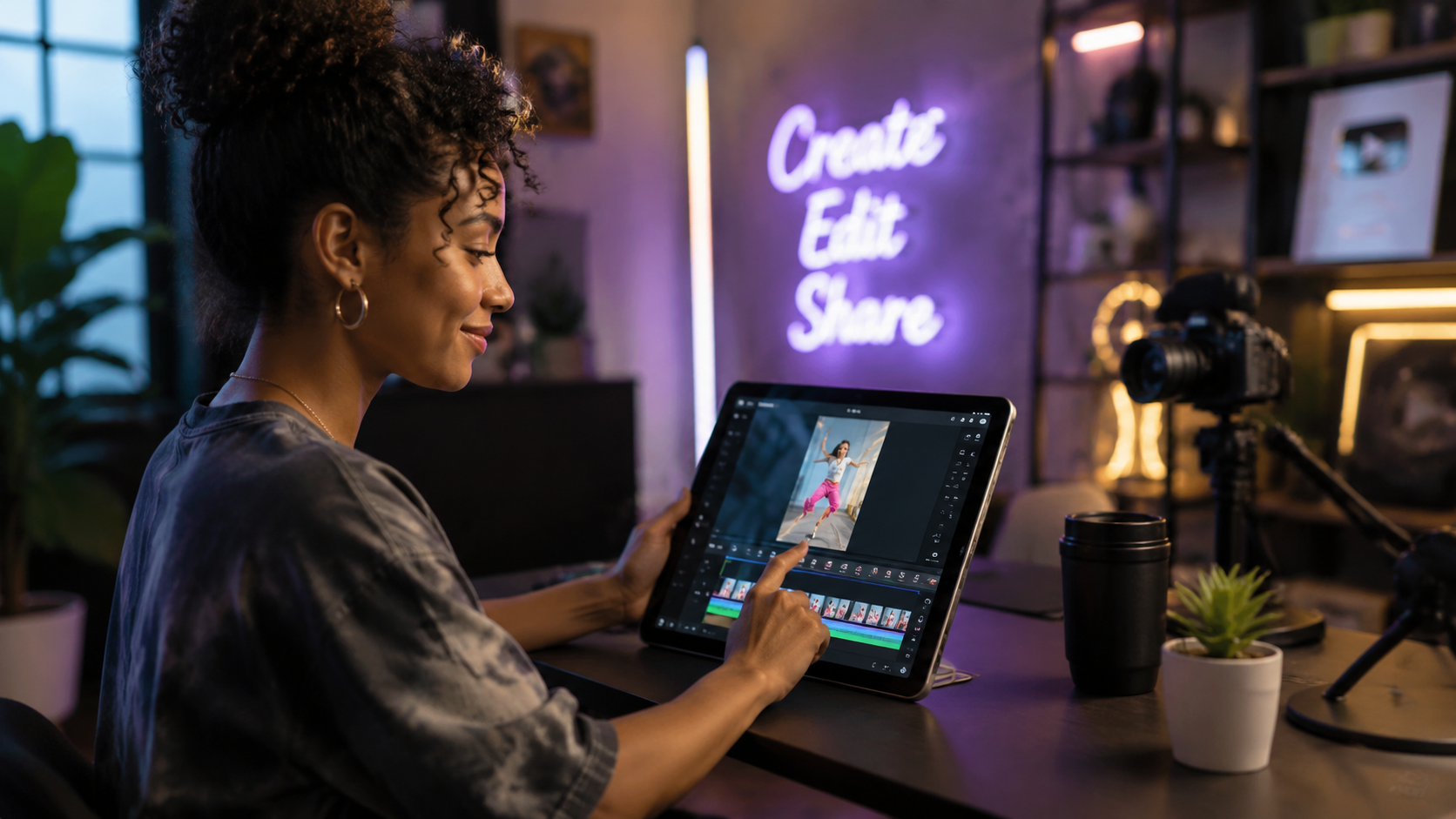
With the influx of new software, choosing the right tool is critical for your specific social media goals. Recent reports from FinancialContent identify five key players that have dominated the professional visual creation market this year. These platforms vary in their approach, ranging from pure text-to-video generation to advanced post-production suites that utilize AI to "clean" professional cinematography.
According to Analytics Insight, the best AI video generator platforms in 2026 can now create stunning clips in minutes, often indistinguishable from filmed reality. This has led to a surge in "virtual influencers" and faceless YouTube channels that rely entirely on these automated systems. When selecting a tool, consider the balance between creative control and automation speed.
| Platform Category | Key Feature (2026 Standard) | Best For | Processing Speed |
|---|---|---|---|
| Generative AI Makers | Text-to-4K Video Synthesis | Concept Teasers & B-Roll | Ultra-Fast (<3 mins) |
| AI Scene Editors | Dynamic Object Removal | Vlogs & Product Reviews | Real-time |
| Social Integrated (IG/TikTok) | Simplified AI "Edits" | Quick Daily Updates | Instant |
| Professional AI Suites | Neural Color Grading | High-End Brand Campaigns | Moderate |
Native AI Integration: Instagram and TikTok’s New Frontier
One of the most significant developments in 2026 is the move toward "in-app" AI power. As reported by Social Media Today, Instagram has recently brought simplified AI video to its "Edits" feature set. This allows users to perform complex tasks—like changing the weather in a video or swapping the clothes of a subject—without ever leaving the Instagram app. This friction-less workflow is designed to keep users within the ecosystem while raising the baseline quality of user-generated content.
This native ai video editing for social media trend means that the barrier to entry has never been lower. However, it also means that the competition for attention is fiercer. To stand out, creators must move beyond the basic templates provided by social platforms. The strategy for 2026 involves using third-party AI tools for the "heavy lifting" of creation and then using native platform tools for final polish and trend alignment.
Advanced Background and Scene Manipulation
The ability to manipulate the environment of a video post-capture is a hallmark of 2026 technology. High On Films notes that the best AI video background removers now handle complex elements like flowing hair and transparent glass with 99.9% accuracy. This allows creators to film anywhere—a bedroom, a crowded street, or a quiet office—and transform it into a high-end studio or a futuristic landscape. This "location independence" is a game-changer for digital nomads and remote businesses.
Best Practices for AI-Enhanced Content Strategy
While AI provides the tools, the strategy remains human-centric. A successful 2026 strategy guide for ai video editing for social media emphasizes "Human-in-the-Loop" editing. This means using AI to handle the 80% of work that is repetitive, while the creator focuses on the 20% that requires emotional intelligence, humor, and unique brand voice. INQUIRER.net USA suggests that beginners start by using AI for "stunning visuals" but keep their scripts personal and relatable.
Furthermore, data-driven editing is now a standard. AI tools can analyze your previous 50 videos to determine which visual hooks led to the highest retention rates. In 2026, your editing software might suggest, "Users usually drop off at 0:05; try inserting a generative transition here." Following these prompts can significantly improve your standing with the social media algorithms that prioritize watch time and engagement.
The Role of Multi-Platform AI Optimization
In 2026, you can no longer afford to post the same video format across all channels. AI tools now offer "Context-Aware Resizing." Unlike traditional cropping, which just cuts the edges, AI-driven resizing identifies the most important action in the frame and centers it, while using generative fill to expand the background for vertical or horizontal formats. This ensures that a video filmed for YouTube looks like it was natively filmed for TikTok, maintaining professional aesthetics across your entire digital footprint.
Future-Proofing Your Social Media Presence
To stay ahead in 2026, creators must embrace the concept of "Iterative Generation." This involves creating multiple versions of a single video using AI to test different hooks, music, and color palettes. According to Analytics Insight, brands using AI to A/B test video variations see a 65% increase in conversion rates compared to those using a single manual edit. The cost of producing these variations is now negligible, making it a standard practice for performance marketing.
Ethical considerations also play a role in 2026. As AI becomes more realistic, transparency is key. Many platforms now require an "AI-Generated" label for content that is significantly altered. Incorporating this into your strategy—perhaps by being open about your use of AI tools—can actually build trust with an audience that values authenticity in a world of synthetic media.
Frequently Asked Questions about AI Video Editing
Is AI video editing easy for beginners in 2026?
Yes, as noted by INQUIRER.net USA, modern AI tools are designed with intuitive interfaces that allow beginners to create professional-quality videos using simple text prompts and automated templates.
What is the best AI video generator for 2026?
According to Analytics Insight, there are several top contenders, but the "best" depends on your needs; some excel at photorealistic synthesis while others focus on rapid social media clips and background manipulation.
Can Instagram’s built-in AI replace professional editing software?
While Social Media Today highlights that Instagram's native AI "Edits" are powerful for quick updates, professional suites tested by PCMag still offer more granular control for complex brand campaigns.
How long does it take to generate an AI video?
In 2026, most AI video platforms can generate high-definition clips in under three minutes, significantly reducing the production cycle from days to mere moments.
Do I need an expensive computer for AI video editing?
No, most ai video editing for social media tools in 2026 are cloud-based, meaning the heavy processing is done on remote servers rather than your local device, allowing for high-end editing on standard smartphones and laptops.
Conclusion: Mastering the AI Workflow
The 2026 strategy for social media success is built on the foundation of AI-assisted creativity. By integrating the latest tools for background removal, generative B-roll, and automated optimization, creators can produce a volume of high-quality content that was previously impossible. As the technology continues to evolve, the most successful creators will be those who view AI not as a replacement for their vision, but as a powerful co-pilot that handles the technicalities while they steer the story. Stay informed by following updates from sources like PCMag and Analytics Insight to ensure your toolkit remains cutting-edge in this fast-paced digital era.



Comments ()