
AI Video Editing for Real Estate: 2026 Strategy Guide
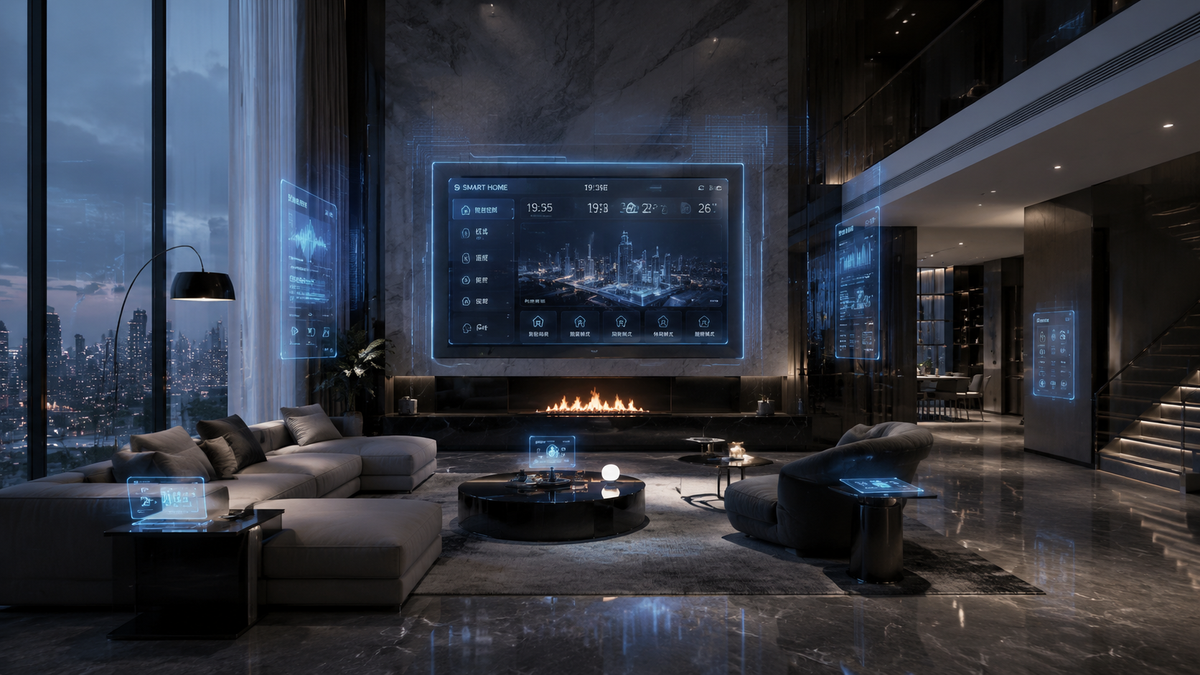
AI video editing for real estate is the application of artificial intelligence and machine learning algorithms to automate the assembly, color correction, and enhancement of property footage. In 2026, this technology allows real estate professionals to transform raw smartphone clips or drone shots into cinematic, high-conversion marketing assets in a matter of minutes, significantly reducing the reliance on traditional post-production workflows.
AI video editing for real estate is a streamlined digital workflow that uses generative AI to automate property walkthroughs, virtual staging, and social media formatting. By leveraging tools mentioned by HousingWire and RealEstateNews.com, agents can now produce professional-grade video content at a fraction of the cost and time required by manual editors.
- ✓ AI reduces video production time from days to seconds using automated scene detection.
- ✓ Real-time virtual staging and lighting adjustments are now standard in 2026 AI suites.
- ✓ Short-form video optimization is the primary driver for lead generation on social platforms.
- ✓ Authenticity and disclosure remain critical as AI video quality becomes indistinguishable from reality.
The Evolution of AI Video Editing for Real Estate in 2026
As we navigate through 2026, the real estate industry has reached a tipping point where digital-first marketing is no longer optional. According to recent reports from Fstoppers, traditional real estate photography is undergoing a massive shift as video becomes the dominant medium for property listings. The rise of AI video editing for real estate has democratized high-end production, allowing boutique agencies to compete with global firms by producing cinematic tours that once required five-figure budgets.
The current landscape is defined by "Generative Video Refinement." Unlike the basic filters of the past, 2026 AI tools can intelligently remove clutter from a room, update outdated furniture through video-based virtual staging, and even adjust the weather in exterior shots to ensure every property looks its best regardless of when it was filmed. This shift toward "pro-quality content" as highlighted by RealEstateNews.com is fundamentally changing how agents allocate their marketing spend.
How to Implement an AI Video Strategy: A Step-by-Step Guide
- Capture Raw Footage: Use a high-resolution smartphone or drone to capture 4K footage of the property, focusing on smooth transitions between rooms.
- Upload to an AI Processor: Select one of the "5 Best AI Video Makers" identified by FinancialContent to begin the automated assembly process.
- Apply Virtual Enhancements: Use AI-driven tools to "clean" the frame, removing personal items or distracting power lines from the shot.
- Generate Voiceovers and Captions: Use synthetic voice technology to narrate the property features based on the listing description.
- Optimize for Multi-Channel Distribution: Let the AI automatically resize and re-edit the video into formats suitable for TikTok, Instagram Reels, and the MLS.
The Impact of AI on Real Estate Marketing Strategies
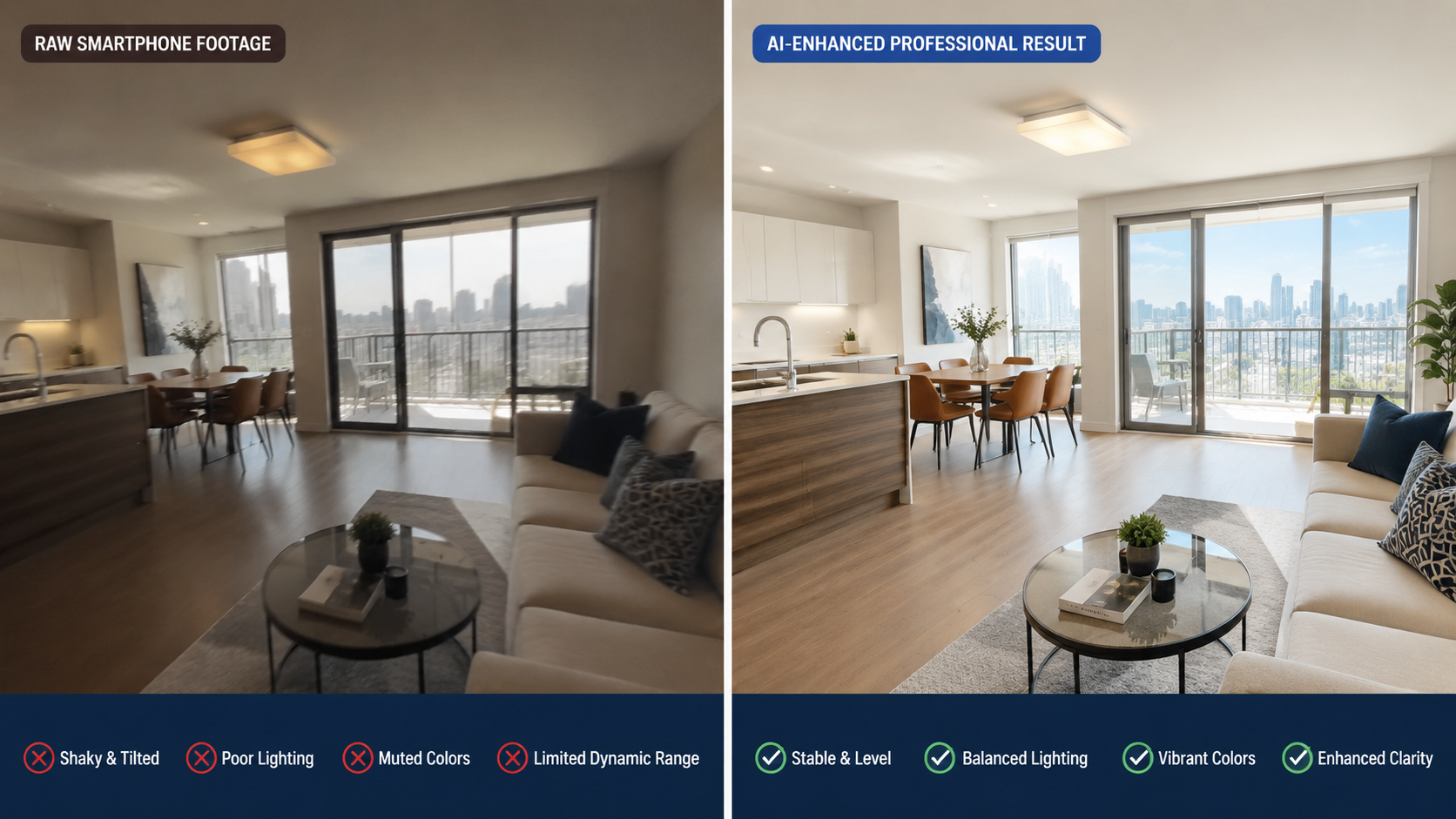
As MSN reported in May 2026, AI video tools are actively reshaping real estate marketing strategies by prioritizing speed and volume. In a market where inventory moves quickly, the ability to post a polished video tour within an hour of a listing going live is a competitive necessity. AI handles the tedious aspects of editing—syncing music to cuts, color grading, and noise reduction—allowing agents to focus on client relationships rather than software tutorials.
Furthermore, the integration of 16 indispensable AI tools, as noted by HousingWire, has created an ecosystem where video is the center of the lead-generation funnel. These tools don't just edit; they analyze viewer engagement data to suggest which property features should be highlighted in the "hero" shot of the video. This data-driven approach ensures that the content produced is not just beautiful, but strategically designed to convert viewers into inquiries.
Comparing AI Video Editing Tools for 2026
| Feature | Standard AI Editor | Professional Real Estate AI | Generative AI Suite |
|---|---|---|---|
| Processing Speed | 5-10 Minutes | Under 2 Minutes | Real-time Rendering |
| Virtual Staging | Static Overlays | Dynamic 3D Integration | Full Environment Re-skinning |
| Voiceover Quality | Robotic/Basic | Human-Parity Synthetic | Custom Agent Voice Cloning |
| Automated Distribution | Manual Upload | Integrated Social Posting | AI-Driven Ad Placement |
Addressing the Challenges: Trust and Authenticity
With the power of AI video editing for real estate comes the significant challenge of maintaining consumer trust. An Inman Real Estate News report from late 2025 raised the critical question: "Can You Tell What's Real Anymore?" As AI becomes more adept at modifying reality—changing a dry lawn to lush green grass or removing a nearby telephone pole—the industry must navigate the fine line between marketing and misrepresentation.
Ethical AI usage in 2026 involves clear disclosures. Many leading platforms now automatically embed watermarks or metadata indicating that a video has been AI-enhanced. Agents who are transparent about using AI to stage a home or improve lighting are finding higher levels of trust with Gen Z and Millennial buyers, who value the visual clarity but also appreciate the honesty regarding the property's current physical state.
Key Features of 2026 AI Video Platforms
The latest tools featured in FinancialContent's 2026 review highlight several groundbreaking features. "Neural Scene Re-lighting" allows editors to change a video filmed at noon to look like it was captured during the "golden hour" of sunset. This is particularly useful for luxury listings where lighting is paramount. Additionally, "Object Persistence" ensures that if you virtually stage a sofa in a living room, it remains perfectly anchored in 3D space even as the camera moves through the room.
Another indispensable feature is "Automated B-Roll Integration." The AI can scan a listing's neighborhood and automatically pull in high-quality, licensed footage of nearby parks, schools, and cafes. This provides a holistic view of the lifestyle associated with the property without the agent needing to film the entire zip code themselves. According to RealEstateNews.com, these "pro-quality" touches are what separate top-tier listings from the rest of the market.
Maximizing ROI with AI Video Editing for Real Estate
The return on investment for AI-driven video is measurable and significant. By reducing the cost of a professional video tour from $500–$1,000 down to a monthly software subscription of $50–$100, agents are seeing their marketing margins expand. Studies show that listings with video receive up to 403% more inquiries than those without, and in 2026, AI is the only way to scale that production to meet the demands of every single listing in an agent's portfolio.
Furthermore, the "16 Indispensable AI Tools" mentioned by HousingWire include predictive analytics that tell agents exactly which platforms are performing best for their specific property type. This allows for a "create once, distribute everywhere" model that is optimized by AI. If the AI detects that a modern condo is trending on a specific social platform, it will automatically tailor the edit style—using faster cuts and trending audio—to maximize reach within that specific demographic.
Future-Proofing Your Real Estate Business
To stay ahead, real estate professionals must view AI video editing not as a replacement for human creativity, but as an essential assistant. The agents winning in 2026 are those who use AI to handle the "heavy lifting" of technical production while they focus on the storytelling aspect of the home. As MSN points out, the tools are reshaping strategies, but the core of real estate remains a people-centric business.
Investing in training for these tools is now a standard part of brokerage onboarding. Understanding how to prompt an AI editor to "create a cozy, inviting atmosphere for a family home" versus a "sleek, high-energy vibe for a downtown penthouse" is a new skill set that defines the modern Realtor. As the technology continues to evolve, those who embrace AI video editing for real estate will continue to dominate the digital landscape.
Is AI video editing for real estate expensive in 2026?
No, AI video editing has become highly affordable. Most professional-grade tools operate on a subscription model ranging from $30 to $150 per month, which is significantly cheaper than hiring traditional videographers for every listing.
Can AI really stage a moving video?
Yes, by 2026, AI technology can perform dynamic virtual staging. It tracks the 3D space of a room in a video and places digital furniture that stays perfectly in place as the camera moves, providing a realistic view of an empty home's potential.
Does using AI video editing violate any real estate ethics?
It depends on how it is used. While enhancing lighting or adding furniture is generally accepted, removing permanent structural defects or misrepresenting the property's surroundings is considered unethical. Disclosure of AI use is highly recommended.
What is the best AI tool for real estate agents today?
According to FinancialContent and HousingWire, the "best" tool depends on your needs, but top-rated 2026 platforms focus on automated property tours, social media optimization, and human-like voiceover narration.
How long does it take to create an AI-edited real estate video?
Most AI platforms can process a 2-minute property tour in under five minutes. Once the footage is uploaded, the AI handles the cutting, transitions, and music sync almost instantly, allowing for immediate social media posting.



Comments ()