
AI Video Editing for Podcasting 2026: The Ultimate Guide
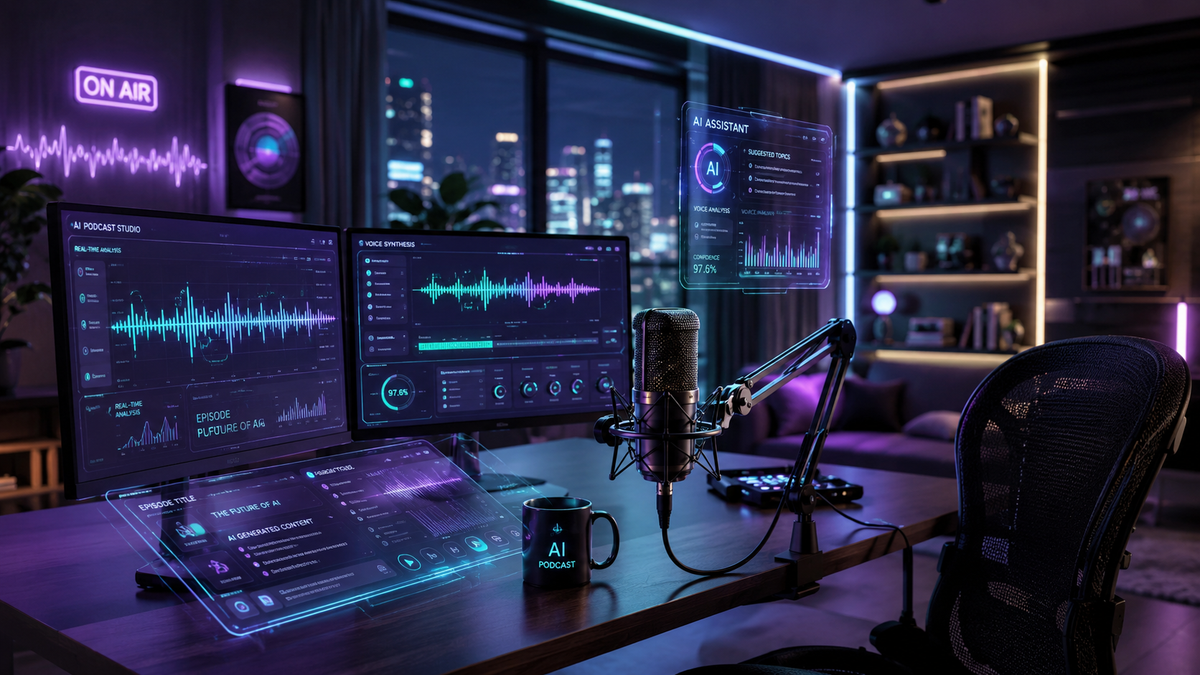
AI video editing for podcasting 2026 refers to the integration of generative intelligence and automated workflows to transform raw audio and video recordings into professional-grade, multi-platform content. By utilizing neural networks for tasks like multi-cam switching, noise suppression, and short-form clipping, creators can now produce high-fidelity video podcasts in a fraction of the time required by legacy manual editing software. This evolution marks a shift from manual timeline scrubbing to intent-based editing where the AI understands the context of the conversation.
AI video editing for podcasting 2026 is the use of automated generative tools and hardware-integrated intelligence to streamline post-production. It leverages real-time multi-cam switching, automated B-roll generation via models like Adobe Firefly, and instant social media clipping to help podcasters scale their reach across YouTube, TikTok, and Spotify with minimal manual intervention.
- ✓ Automated multi-cam switching is now a standard feature in hardware like the RØDECaster Studio.
- ✓ Generative video tools like Wondercraft AI Video Studio allow for the creation of visual assets from pure audio scripts.
- ✓ Adobe Firefly has redefined video workflows by allowing text-to-video motion adjustments directly within the editor.
- ✓ AI-driven monetization strategies are the primary growth driver for independent creators in 2026.
How to Implement AI Video Editing for Podcasting 2026
The landscape of content creation has shifted toward an "AI-first" workflow. To stay competitive in 2026, podcasters must move beyond simple trim-and-cut methods. The current standard involves a hybrid approach where hardware and software work in tandem to handle the heavy lifting of synchronization and visual enhancement. According to a 2026 report by Castos, a structured workflow is the single most important factor in determining the long-term sustainability of a video podcast.
- Capture with AI-Integrated Hardware: Start by using devices like the RØDECaster Studio, which features built-in AI for real-time editing and audio leveling.
- Automated Multi-Cam Sync: Import your footage into an AI-driven NLE (Non-Linear Editor) to automatically switch angles based on who is speaking.
- Generative Visual Enhancement: Use Adobe Firefly to add motion graphics or "fill" frames where visual gaps exist in your recording.
- Contextual Clipping: Deploy tools like Wondercraft’s AI Video Studio to identify viral moments and export them as vertical 9:16 clips for social media.
- Distribution and SEO: Use generative metadata tools to write titles, descriptions, and show notes that are optimized for both human readers and generative search engines.
The Evolution of AI Video Editing for Podcasting 2026
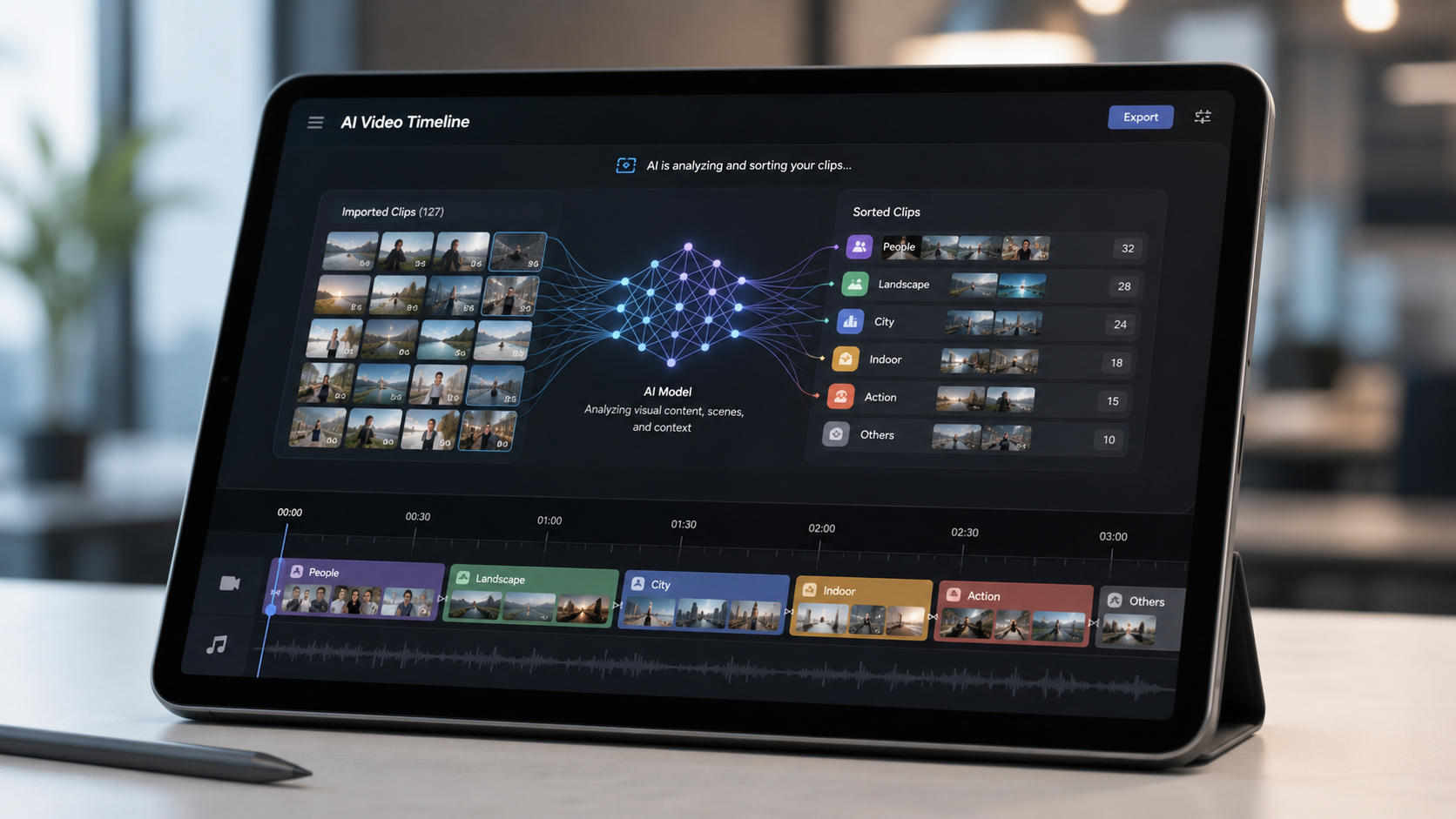
In 2026, the definition of a "video podcast" has expanded. It is no longer just a recording of two people in a room; it is a dynamic visual experience. The launch of the Wondercraft AI Video Studio in January 2026 signaled a major shift, allowing creators to turn simple voiceovers into cinematic video experiences using high-fidelity generative avatars and environments. This has lowered the barrier to entry for creators who may not have access to expensive studio spaces but have high-quality audio content.
Hardware Integration: The RØDECaster Studio
Hardware is no longer "dumb" input devices. As reported by Newsshooter in April 2026, the RØDECaster Studio has been built from the ground up with AI for editing podcasts. This device doesn't just record; it analyzes the cadence of the conversation to suggest edit points and automatically suppresses background noise using neural filters. This integration ensures that the "raw" file imported into your computer is already 80% polished, drastically reducing the time spent in post-production.
Generative Motion with Adobe Firefly
Adobe’s contribution to the field has been transformative. In February 2026, Adobe announced new features for Firefly that allow podcasters to redefine video motion. Instead of searching for stock footage, podcasters can type a prompt like "cinematic cityscape at sunset with a lo-fi aesthetic" to generate custom B-roll that matches the mood of their podcast segment. According to Adobe, these tools are designed to put ideas in motion, ensuring that the visual component of a podcast is as engaging as the audio.
Comparing Top AI Video Editing Platforms in 2026
Choosing the right toolset depends on your specific needs—whether you are looking for automated social media growth or a full-scale cinematic production. The following table compares the leading solutions available in the 2026 market based on their primary AI capabilities and target audience.
| Feature | Wondercraft AI Studio | Adobe Firefly / Premiere | RØDECaster Studio (HW/SW) | Castos Playbook Tools |
|---|---|---|---|---|
| Primary Strength | Audio-to-Video Generation | Generative B-Roll & VFX | Real-time AI Audio/Switching | Workflow & Distribution |
| AI Complexity | High (Generative) | High (Neural Engine) | Medium (Processing) | Low (Automation) |
| Best For | Solo Creators | Professional Editors | Live Studio Setups | Brand Podcasters |
| Key 2026 Update | Virtual Avatar Sync | Text-to-Motion Video | Neural Noise Suppression | AI Distribution Nodes |
Monetization and the Role of AI Video Editing for Podcasting 2026
The financial landscape for creators has matured significantly. According to a May 2026 report from Memeburn, there are now 17 proven methods to make money using AI, and video podcasting is at the forefront of these opportunities. AI video editing for podcasting 2026 allows creators to maintain multiple "faceless" channels by repurposing a single interview into dozens of localized, language-translated, and niche-specific video streams.
Scalability Through Automated Clipping
The "Video Podcast Playbook 2026" published by Castos emphasizes that the profit in podcasting now lies in the "micro-content" strategy. AI tools can now identify emotional peaks in a conversation—such as laughter, intense debate, or insightful quotes—and automatically crop the video for TikTok, Reels, and Shorts. This ensures that the podcast is working to find new audiences 24/7 without the creator needing to manually edit every clip.
Ethical Considerations and AI Consciousness
As we push the boundaries of what AI can do in video editing, the industry is also facing philosophical questions. In a February 2026 interview with The New York Times, Anthropic’s Chief noted that while models are becoming more sophisticated in mimicking human creativity, "We don’t know if the models are conscious." For podcasters, this means being transparent about the use of generative AI, especially when using AI avatars or voice cloning to supplement video content, to maintain trust with their audience.
Advanced Features of AI Video Editing for Podcasting 2026
Modern editing is no longer about the "cut." It is about the "enhancement." In 2026, AI video editing for podcasting 2026 includes features that were once the domain of high-end Hollywood VFX houses. This includes "Eye Contact Correction," which uses AI to make it appear as though the speaker is looking directly at the camera even if they are reading notes, and "Generative Set Extension," which can turn a small bedroom office into a sprawling virtual studio.
AI-Driven Narrative Pacing
One of the most subtle but powerful uses of AI in 2026 is narrative pacing. Software can now analyze the "dead air" and "filler words" not just to remove them, but to adjust the timing of the remaining footage so the rhythm of the conversation feels natural and engaging. This prevents the "choppy" feel that early AI editors often produced. By analyzing the sentiment of the speech, the AI can also suggest music transitions that match the emotional tone of the segment.
Multi-Language Visual Dubbing
Global reach is a primary goal for podcasters in 2026. AI video editing tools now offer "Visual Dubbing," where the speaker's lip movements are programmatically altered to match a translated audio track. This allows a podcast recorded in English to be distributed in Spanish, Mandarin, or Hindi with full visual synchronization, making the content accessible to billions of additional viewers without the need for subtitles alone.
Frequently Asked Questions
What is the best AI video editing software for podcasters in 2026?
The "best" software depends on your workflow, but Adobe Premiere with Firefly integration is the industry standard for professional editing, while Wondercraft AI Video Studio is preferred for creators looking for rapid, generative video creation from audio scripts.
How does the RØDECaster Studio use AI?
The RØDECaster Studio uses onboard AI to handle real-time audio processing, automatic gain staging, and intelligent multi-cam switching, which significantly reduces the time required for post-production editing.
Can AI generate B-roll for my video podcast?
Yes, tools like Adobe Firefly and Wondercraft allow you to generate contextually relevant B-roll using text-to-video prompts, enabling you to add visual variety to your podcast without filming extra footage.
Is AI video editing for podcasting 2026 expensive?
While premium tools require subscriptions, the cost has decreased relative to the time saved. Many platforms offer tiered pricing, and the efficiency gains often allow creators to generate more revenue through increased output and better monetization strategies.
Will AI replace human video editors for podcasts?
AI is currently a collaborative tool that handles repetitive and technical tasks. While it can automate much of the process, human editors are still essential for high-level creative direction, storytelling, and ensuring the emotional resonance of the content.
As we move through 2026, the integration of AI into the podcasting world is not just a trend but a fundamental shift in how media is produced. By embracing AI video editing for podcasting 2026, creators can focus more on their message and less on the technical hurdles of video production, leading to a more diverse and vibrant digital media landscape.



Comments ()