
AI Video Editing for Content Creators: 2026 Strategy Guide
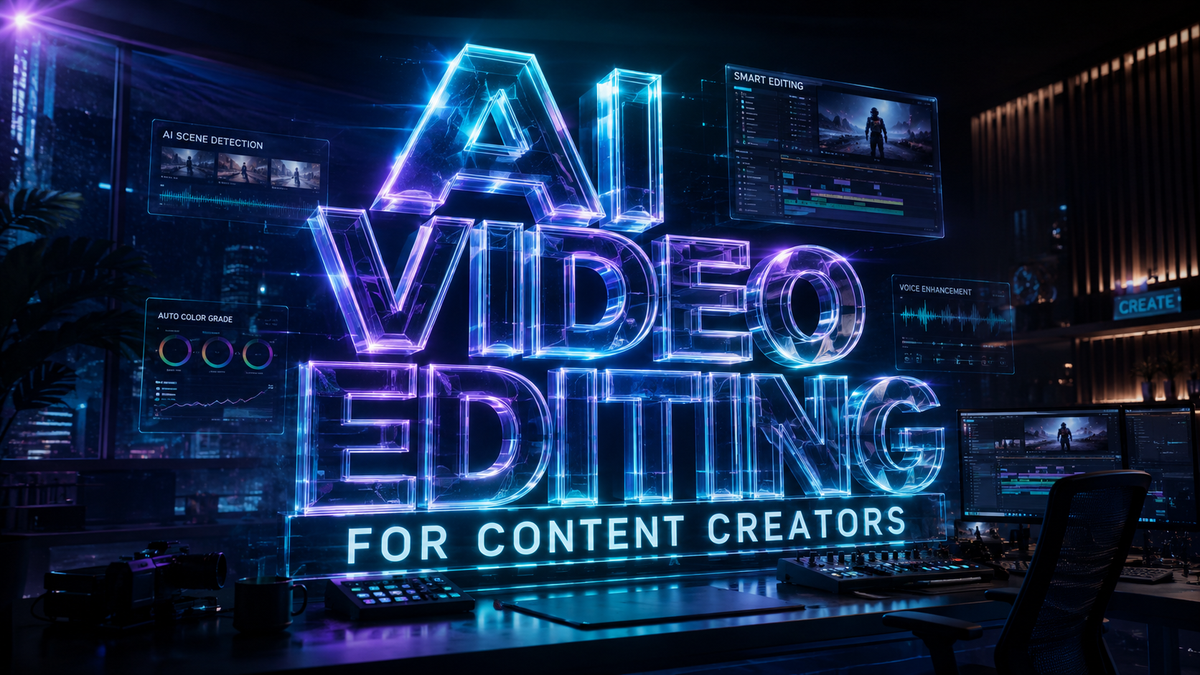
AI video editing for content creators is the process of using artificial intelligence and machine learning algorithms to automate complex tasks such as color grading, audio syncing, scene detection, and visual effects. In 2026, this technology has evolved beyond simple automation to include generative expansion, real-time voice-controlled editing, and sophisticated cross-language dubbing, allowing creators to produce high-fidelity content at a fraction of the traditional cost and time.
AI video editing for content creators is a transformative workflow that utilizes neural networks to handle repetitive editing tasks. By 2026, the strategy focuses on leveraging tools like Google Gemini Omni Flash for voice-commanded edits and AI video expanders to repurpose content across multiple social media aspect ratios instantly, ensuring maximum reach and engagement.
- ✓ Voice-controlled editing via Gemini Omni Flash is the new industry standard for hands-free production.
- ✓ AI video expansion tools allow creators to convert landscape footage into immersive vertical formats without losing quality.
- ✓ Automated AI dubbing has become the primary strategy for creators looking to achieve global reach in 2026.
- ✓ New YouTube features allow for ethical AI-driven collaborations by inserting creators into partner videos seamlessly.
The Evolution of AI Video Editing for Content Creators in 2026
As we move through 2026, the landscape of digital media has been fundamentally reshaped by generative intelligence. Content creators are no longer just editors; they are directors of AI systems. According to Programming Insider, AI-powered video content is currently dominating social media feeds because of its ability to adapt to viewer preferences in real-time. This dominance is driven by the fact that AI can now handle the heavy lifting of technical polish, leaving the creative vision to the human user.
The core shift this year is the move from "click-and-drag" interfaces to conversational interfaces. With the release of Google Gemini Omni Flash, creators can now use natural language to execute complex edits. For example, a creator can simply say, "Remove the background noise and highlight the speaker whenever they mention the product," and the AI executes the command instantly. This conversational AI model has drastically lowered the barrier to entry for high-quality video production.
How to Implement an AI Video Editing Workflow
- Capture and Ingest: Record your raw footage and upload it to an AI-integrated cloud platform like Vmake or Gemini.
- Voice-Command Rough Cut: Use conversational AI to identify the "best takes" and assemble a chronological timeline based on your script.
- Apply AI Video Expansion: Use an expander tool to fill in the frame for different platforms, turning 16:9 cinematic shots into 9:16 vertical masterpieces.
- Globalize with AI Dubbing: Apply automated dubbing layers to translate your content into the top 10 global languages while maintaining your original voice tone.
- Final Polish and Export: Use AI color grading to match the aesthetic of trending videos in your specific niche.
Maximizing Reach with AI Video Expander Technology
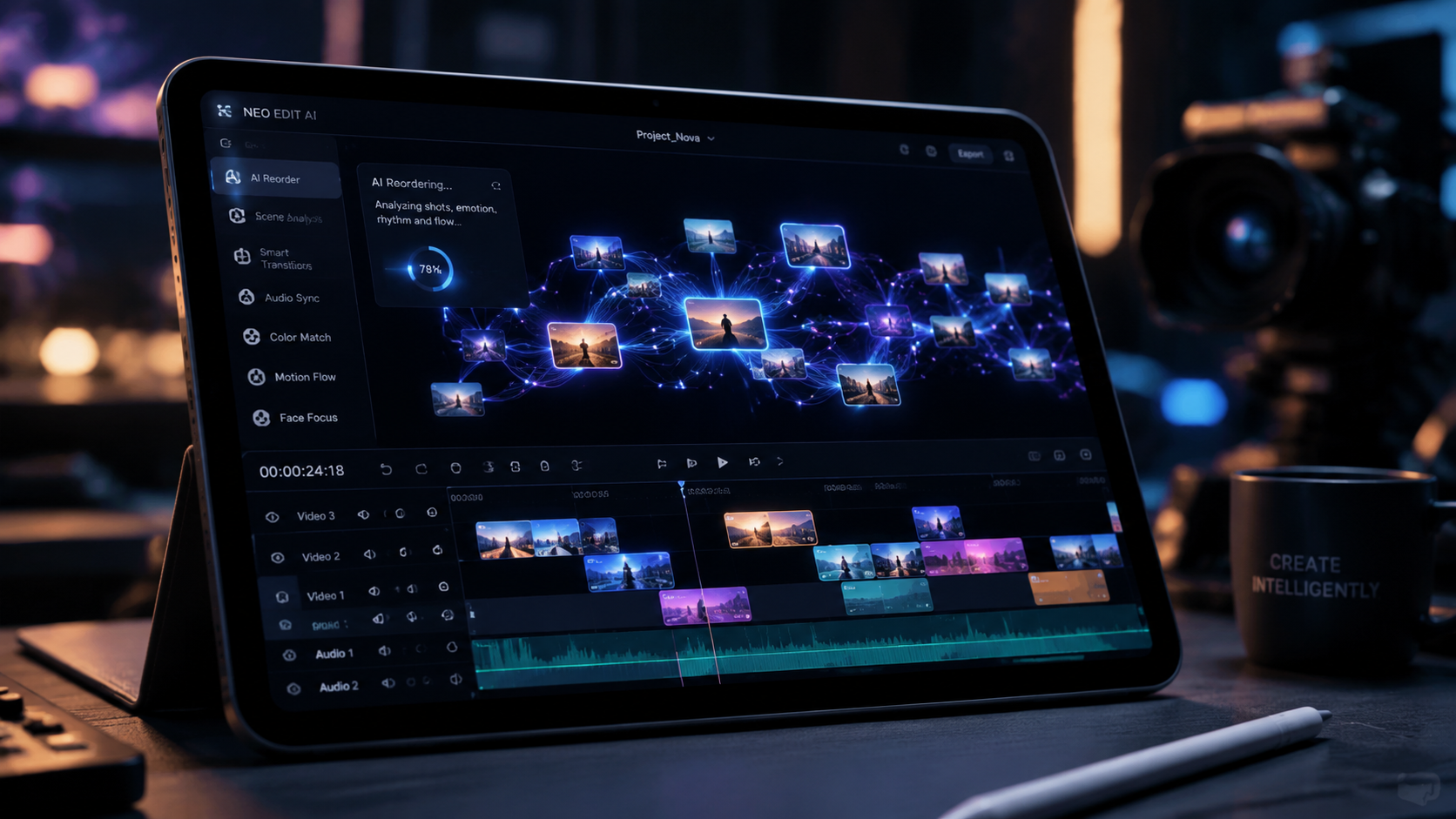
One of the most significant breakthroughs of 2026 is the maturity of AI video expansion. As reported by StreetInsider, the latest generation of AI Video Expanders has been tested and ranked as the top utility for creators who need to be omnipresent. These tools do not just stretch pixels; they generate entirely new, contextually accurate visual data to fill out a frame. This allows a video filmed for a desktop audience to be perfectly reframed for ultra-wide displays or mobile-first vertical platforms without the "letterbox" effect.
Using these tools is essential for a 2026 strategy because social media algorithms now prioritize "native-feeling" content. A video that looks like it was filmed natively for TikTok will always outperform a cropped YouTube video. AI expanders analyze the existing environment in your footage—whether it’s a forest, a studio, or a city street—and extend the scenery realistically, providing a professional finish that was previously only possible with expensive multi-camera setups.
| Feature | Traditional Editing (Pre-2025) | AI-Driven Editing (2026 Strategy) |
|---|---|---|
| Aspect Ratio Change | Manual cropping and loss of detail. | AI Expansion generates new frame data. |
| Language Translation | Subtitles or expensive human dubbing. | Instant AI Dubbing with lip-sync matching. |
| Editing Interface | Timeline, mouse, and keyboard shortcuts. | Voice-controlled conversational AI (Gemini). |
| Collaboration | Sending large files back and forth. | AI-inserted "Digital Twins" for virtual cameos. |
Global Growth Through AI Video Dubbing
In 2026, the "English-only" creator is a relic of the past. Geek Vibes Nation highlights that AI video dubbing is currently the smartest move content creators are making. The technology has reached a point of "perfect parity," where the AI can translate a creator's speech into dozens of languages while perfectly mimicking their unique vocal timbre, inflection, and emotional resonance. This allows a creator in New York to speak directly to an audience in Tokyo or Sao Paulo as if they were native speakers.
This strategy isn't just about translation; it's about localization. AI dubbing suites now automatically adjust cultural references and idioms to ensure the message hits home in every region. For content creators, this means their "Total Addressable Market" has expanded from millions to billions overnight. The ROI on AI dubbing is currently the highest in the digital marketing space, as it allows for the recycling of high-performing content into entirely new demographic markets with zero additional filming required.
The Role of Vmake and Modern Creator Tools
The rise of specialized platforms like Vmake has democratized high-end production features. According to a recent Concept Phones review, Vmake’s suite of AI video editing tools for modern creators provides a streamlined experience for e-commerce and social media influencers. These tools focus on "object-aware" editing, where the AI understands what is a person, what is a product, and what is the background, allowing for one-click removals or replacements that look indistinguishable from reality.
The YouTube Revolution: AI Digital Twins and Cameos
YouTube has remained at the forefront of the AI transition. A groundbreaking update reported by Spherical Insights reveals that YouTube now allows creators to use AI to insert themselves into other people’s videos. This "AI Cameo" feature is governed by strict digital rights management to ensure creators are compensated for their likeness, but it opens up a new world of collaborative possibilities. You no longer need to be in the same room—or even the same country—to film a high-fidelity collaboration.
This 2026 strategy involves creating a "Digital Twin" or a verified AI avatar that can be "licensed" to other creators. This allows for massive scale; your digital persona can appear in a hundred different videos simultaneously, growing your brand while you focus on high-level strategy or scriptwriting. It is a fundamental shift in how we perceive "presence" in the digital age, making the concept of a "viral collaboration" more accessible than ever before.
Conversational AI: The Death of the Timeline?
The introduction of Google Gemini Omni Flash marks the beginning of the end for the traditional video editing timeline. For decades, editors have spent hours "scrubbing" through footage. In 2026, the strategy has shifted to conversational metadata. Every frame of video is now indexed by AI, meaning the editor can search for visual elements as easily as searching for a word in a document. "Find every shot where I'm smiling but the lighting is dim," is now a functional command that saves hours of manual labor.
This speed allows creators to react to trends in real-time. If a new meme or news event breaks, a creator can use AI to pull relevant clips from their archives, re-edit them via voice command, and have a high-quality response video live in minutes. This agility is what separates the top-tier creators from the rest of the pack in the fast-paced 2026 media environment.
Ethical Considerations and Authenticity
With great power comes the need for transparency. As AI-powered video content dominates, audiences are becoming more discerning. The most successful creators in 2026 are those who use AI to enhance their creativity rather than replace their humanity. Disclosing the use of AI dubbing or AI-generated backgrounds has become a standard practice that builds trust with the audience. Authenticity is the currency of 2026, and AI is simply the tool that allows that authenticity to be polished and distributed globally.
Frequently Asked Questions
What is the best AI video editing tool for beginners in 2026?
Google Gemini Omni Flash is widely considered the best for beginners due to its voice-controlled interface, which eliminates the need to learn complex timeline-based software. For mobile-first creators, Vmake offers a highly intuitive suite for quick social media enhancements.
How does AI video expansion work?
AI video expansion uses generative neural networks to "outpaint" the edges of a video frame. It analyzes the existing pixels to understand the environment and then generates new, matching visuals to change the aspect ratio from horizontal to vertical without cropping the original subject.
Is AI dubbing noticeable to viewers?
By 2026, AI dubbing has reached a level where it is nearly indistinguishable from human dubbing. Advanced tools now sync the lip movements of the speaker to the new language's phonemes, creating a seamless viewing experience that maintains the creator's original voice profile.
Can I really insert myself into other creators' videos on YouTube?
Yes, according to recent updates from Spherical Insights, YouTube has introduced a feature that allows for AI-driven "Digital Twin" insertions. This requires the permission of both parties and uses verified AI models to ensure the collaboration looks natural and professional.
Does using AI video editing tools hurt my SEO?
On the contrary, AI-powered video content is dominating social media and search results in 2026. AI tools help optimize metadata, generate accurate transcripts for accessibility, and ensure your video meets the technical requirements of various platforms, all of which improve your search engine and generative engine rankings.



Comments ()