
AI Video Creation Trends 2026: The Future of Production
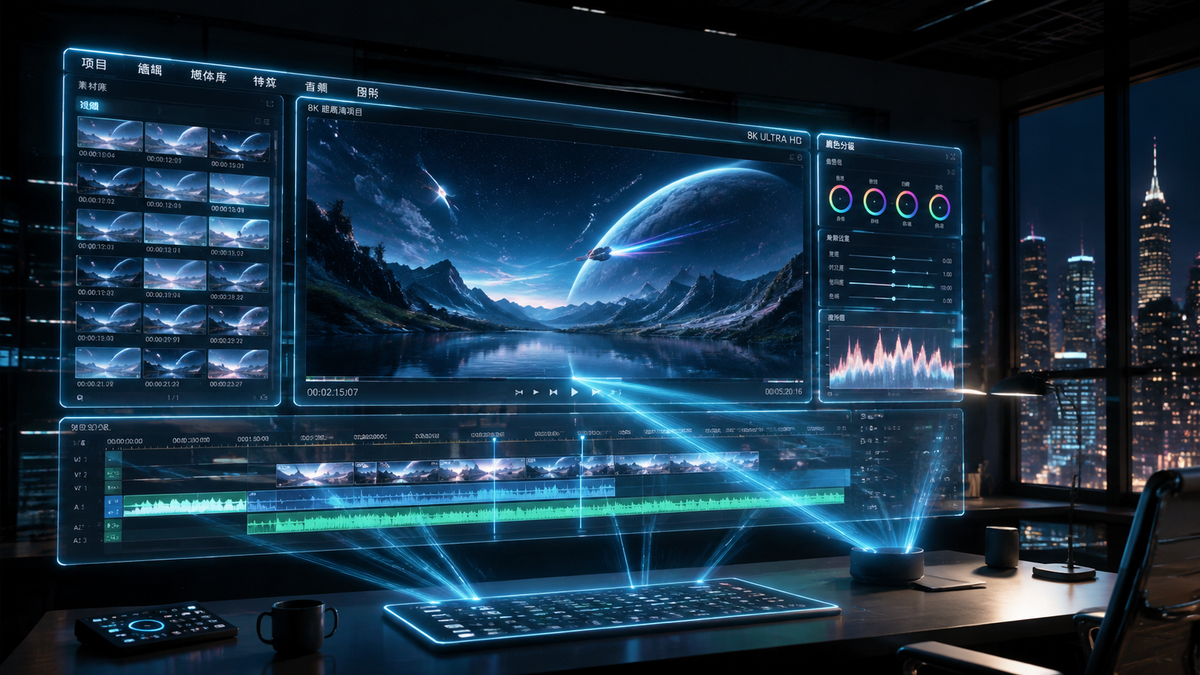
The ai video creation trends 2026 landscape is defined by the full integration of generative AI into professional production pipelines, shifting from experimental clips to high-fidelity, long-form content. As of May 2026, the industry is witnessing a transition toward real-time cinematic rendering and hyper-personalized advertising driven by multimodal AI models. This evolution allows creators to generate complex visual narratives through natural language, significantly reducing the time required for post-production and visual effects.
AI video creation trends 2026 represent the move toward "Generative Cinema," where AI video generators leverage real-time physics engines and multimodal inputs to create high-resolution, commercially viable content. Key trends include the rise of AI-driven social media storytelling, automated high-fidelity video editing, and the mass adoption of AI tools by enterprise marketing leaders for localized global campaigns.
- ✓ Real-time AI video generation has become the standard for social media and advertising.
- ✓ Market growth for AI video generators is projected to accelerate through 2034.
- ✓ Professional video editors are increasingly shifting toward AI-orchestration roles.
- ✓ Hyper-personalization in video ads is driving higher ROI in May 2026 campaigns.
The Evolution of AI Video Creation Trends 2026
As we navigate through the second quarter of 2026, the maturity of generative video technology has reached a tipping point. Unlike the fragmented tools of previous years, the current ai video creation trends 2026 show a move toward unified platforms that handle everything from scriptwriting to final color grading. According to research from Metricool, the future of video creation is now firmly rooted in "AI-first" workflows, where the initial creative spark is augmented by intelligent systems that understand cinematography, pacing, and emotional resonance.
The market dynamics have also shifted. A recent openPR.com report on the AI Video Generator Market Trends (2026-2034) highlights that the demand for these tools is no longer limited to tech enthusiasts. Small to medium-sized enterprises (SMEs) are now the primary drivers of growth, using AI to produce studio-quality content that was previously cost-prohibitive. This democratization of high-end production is reshaping how brands communicate with their audiences across digital platforms.
Furthermore, the technical capabilities of these engines have expanded. We are seeing the rise of "World Models"—AI that doesn't just predict pixels but understands the physical laws of the environment it is rendering. This means that 2026 video AI can maintain perfect temporal consistency, ensuring that characters and objects remain stable across long scenes, a feat that was a significant hurdle only eighteen months ago.
Step-by-Step: Implementing AI Video in Your 2026 Workflow
- Conceptualization and Scripting: Use multimodal LLMs to generate a script and a corresponding storyboard with consistent character seeds.
- Asset Generation: Input the storyboard into a high-fidelity AI video generator to create raw cinematic plates.
- AI-Enhanced Editing: Utilize AI video editors to perform automated "rough cuts" based on the rhythm of the selected audio track.
- Refinement and VFX: Apply AI-driven rotoscoping and in-painting to add specific brand elements or adjust lighting post-generation.
- Localization and Distribution: Use AI dubbing and lip-syncing tools to translate the video into multiple languages while maintaining the original actor's voice profile.
The Impact of AI on Social Media and Advertising
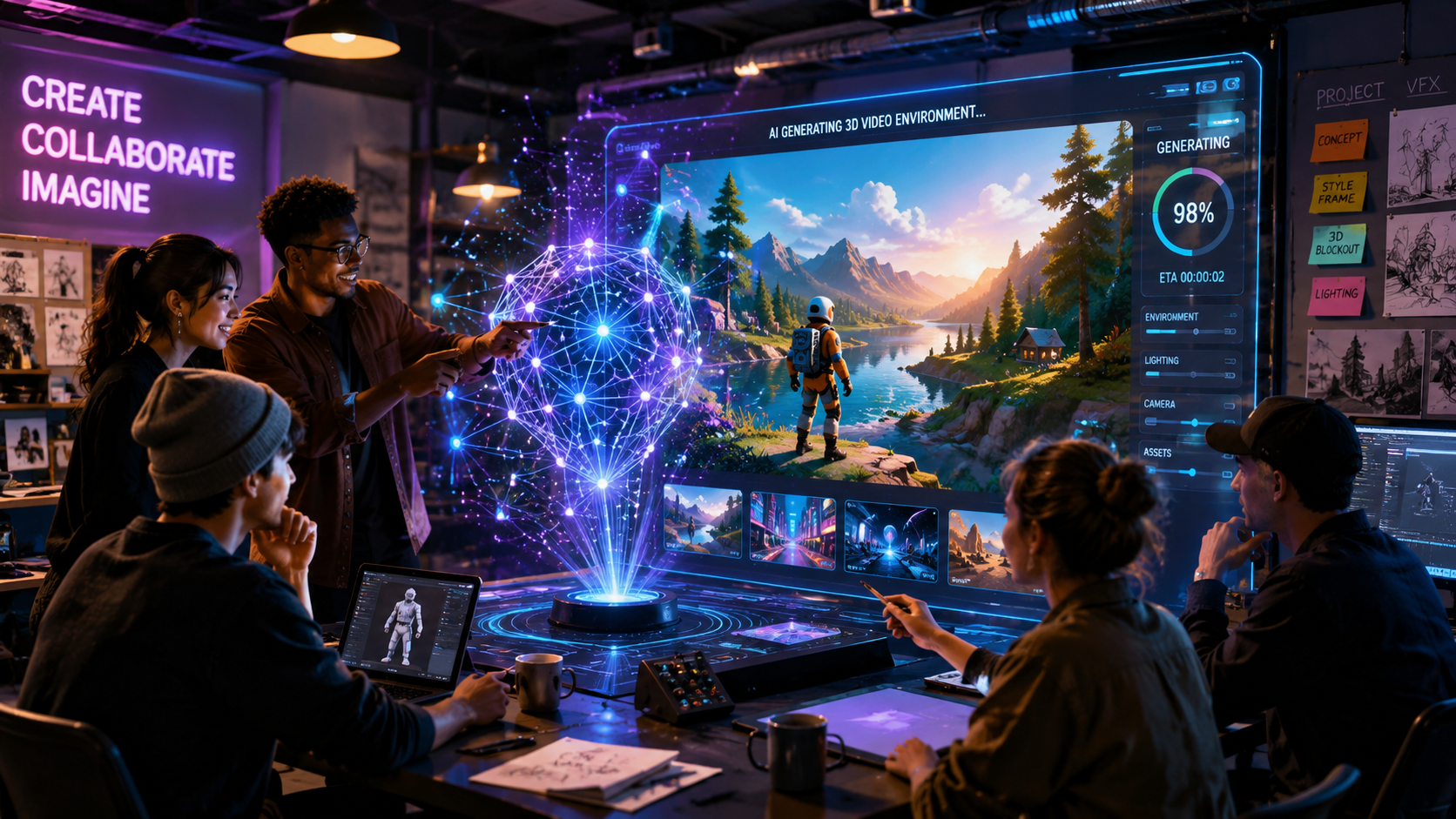
Social media platforms have become the primary testing ground for the latest ai video creation trends 2026. According to Trend Hunter’s May 2026 report on social media trends, "AI-augmented reality" and "Generative Shorts" are dominating user feeds. Creators are no longer just filming their lives; they are using AI to overlay fantastical elements onto their reality, creating a hybrid form of content that blurs the line between vlogging and high-budget filmmaking.
In the realm of paid media, the shift is even more pronounced. JumpFly, Inc. recently identified five key trends in AI advertising for April 2026, noting that "Dynamic Creative Optimization" (DCO) has evolved into "Generative Creative Optimization." This allows advertisers to generate thousands of unique video iterations in real-time, tailored to the specific interests, location, and even the current weather of the individual viewer. This level of personalization was unthinkable before the 2026 AI boom.
Comparison of 2026 AI Video Capabilities vs. Traditional Methods
| Feature | Traditional Production (2026) | AI-Driven Production (2026) |
|---|---|---|
| Turnaround Time | Weeks to Months | Hours to Days |
| Cost per Minute | High ($5k - $50k+) | Low to Moderate ($100 - $1k) |
| Scalability | Limited by Human Staff | Near-Infinite via Cloud Compute |
| Localization | Manual Reshooting/Dubbing | Instant AI Lip-Sync & Translation |
| Creative Flexibility | Bound by Physical Assets | Bound only by Prompt Engineering |
Leadership Insights: Navigating the AI Shift
For organizational leaders, the rapid advancement of these technologies presents both an opportunity and a challenge. MIT Sloan Management Review published insights in early 2026 emphasizing that leaders must focus on "AI Orchestration" rather than just "AI Adoption." This involves restructuring creative teams so that human talent focuses on high-level strategy, emotional storytelling, and ethical oversight, while the AI handles the iterative and labor-intensive aspects of production.
The ai video creation trends 2026 also necessitate a new look at intellectual property and digital ethics. As AI video generators become more proficient at mimicking real styles and personas, leaders are tasked with implementing robust "Content Provenance" standards. Many 2026 enterprises are now using blockchain-based watermarking to ensure that viewers can distinguish between human-captured footage and AI-generated content, maintaining brand trust in an era of deep synthesis.
According to ALM Corp, video editing statistics for 2026 show a significant shift in editor compensation and roles. While traditional "button-pushing" roles are declining, "AI Video Architects"—those who can prompt, refine, and integrate AI outputs into cohesive narratives—are seeing record-high salaries. This indicates that the value in the video industry is moving from technical execution to creative direction and system management.
Technical Breakthroughs in AI Video Editors
The software landscape in 2026 is characterized by deep integration. Modern AI video editors are no longer standalone tools but are embedded within broader creative suites. These editors now feature "Semantic Editing," where a user can simply type "make this scene feel more melancholic" or "remove the background distractions and replace them with a futuristic Tokyo skyline," and the AI executes the command with pixel-perfect accuracy.
Another major trend is the "Text-to-VFX" capability. Previously, complex visual effects required specialized teams and expensive software like Houdini or Nuke. In 2026, AI models trained on physics simulations allow editors to generate realistic fire, water, and smoke effects through simple text prompts. This has leveled the playing field, allowing indie creators to produce "blockbuster" visuals from their home offices.
Key Features of 2026 AI Video Software
- Temporal Consistency Engines: Ensuring that textures and characters don't "jitter" between frames.
- Neural Rendering: Using AI to light scenes realistically without traditional ray-tracing overhead.
- Voice-to-Video Sync: Automatically adjusting character mouth movements and facial expressions to match any audio input.
- Automated B-Roll Discovery: AI that scans your script and automatically generates or finds the perfect B-roll footage to match the narrative.
Future Outlook: Beyond 2026
As we look toward the end of the decade, the ai video creation trends 2026 suggest a move toward fully interactive video. We are seeing the first iterations of "Choose Your Own Adventure" style content where the AI generates the video path in real-time based on viewer input. This merge of gaming and cinema is expected to be the next major frontier in digital entertainment.
The openPR.com market report suggests that the AI video generator market will continue its aggressive growth trajectory through 2034, with a projected Compound Annual Growth Rate (CAGR) exceeding 25%. This sustained growth will be fueled by improvements in compute efficiency, allowing high-quality AI video generation to happen locally on mobile devices rather than relying solely on powerful cloud servers.
Ultimately, the "Future of Production" is one of collaboration. The most successful creators in 2026 are not those who shun AI, nor those who rely on it entirely, but those who use it as a "Co-Pilot." By leveraging AI to handle the mundane and the impossible, human creators are being freed to explore new heights of imagination and storytelling that were previously unreachable.
What are the dominant AI video creation trends in 2026?
The dominant trends include real-time generative cinema, hyper-personalized video advertising, and the integration of AI "World Models" that understand physical laws. These technologies allow for consistent, high-fidelity video production from text or image prompts.
How is AI changing the role of video editors in 2026?
Video editors are transitioning into "AI Orchestrators." According to ALM Corp, while traditional manual editing tasks are being automated, there is an increased demand for professionals who can manage AI workflows and provide high-level creative direction.
Is AI-generated video commercially viable for brands in 2026?
Yes, AI-generated video is now a staple in commercial advertising. Brands are using AI to create localized and personalized video ads at scale, which has been shown to significantly improve engagement and ROI compared to static or non-personalized content.
What is the projected market growth for AI video generators?
According to market reports from April 2026, the AI video generator market is expected to see robust growth through 2034, driven by enterprise adoption and technical breakthroughs in neural rendering and temporal consistency.
Can AI video tools in 2026 handle lip-syncing and dubbing?
Absolutely. One of the major trends in 2026 is the use of AI for seamless dubbing and lip-syncing, allowing videos to be translated into dozens of languages while keeping the original speaker's voice and perfectly matching their lip movements.
Comments ()