
AI Video Content Creation Strategy: 2026 Growth Guide
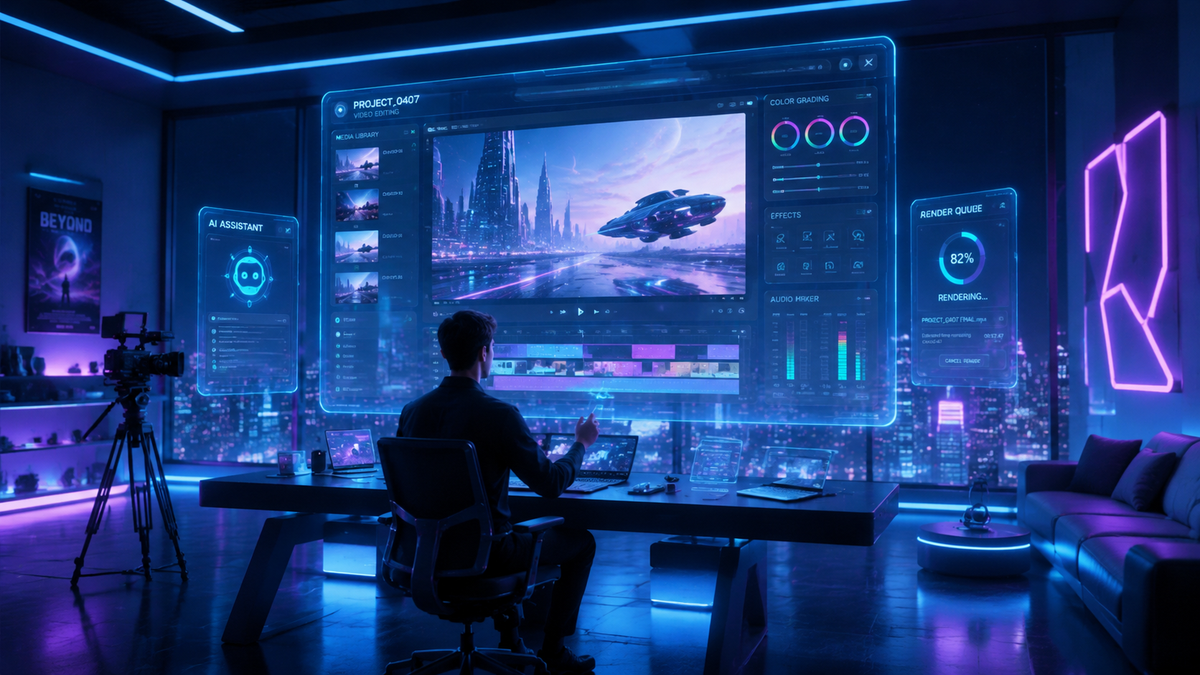
An ai video content creation strategy is a comprehensive framework for using generative artificial intelligence to plan, produce, and distribute video assets at scale. By leveraging advanced neural networks and cinema-quality rendering engines, this strategy allows brands to move beyond manual production and create hyper-personalized, high-fidelity visual narratives. In 2026, implementing a robust ai video content creation strategy is no longer an experimental luxury but a core requirement for staying competitive in a digital landscape dominated by algorithmic discovery and short-form video consumption.
An AI video content creation strategy is the systematic integration of generative AI tools into the media production workflow to automate scriptwriting, visual generation, and editing. In 2026, this approach focuses on "cinema-quality" outputs and "AI-native storytelling," enabling creators to bypass traditional logistical hurdles like physical filming while maintaining high-end production values for social and commercial platforms.
- ✓ Shift from low-fidelity "slop" to cinema-quality, AI-native storytelling that rivals traditional film production.
- ✓ Integration of specific platform tools like TikTok’s Symphony and Dreamina Seedance 2.0 for automated ad creative.
- ✓ Adoption of hyper-personalized video at scale, supported by 2026 studies showing a massive rise in enterprise AI tool usage.
- ✓ Focus on ethical transparency and "human-in-the-loop" workflows to ensure brand authenticity.
The Evolution of AI Video Production in 2026
As we navigate through 2026, the digital content landscape has undergone a fundamental transformation. The era of "AI slop"—characterized by uncanny valley movements and distorted textures—has been replaced by what Marketing Brew describes as "cinema-quality, AI-native storytelling." This shift means that an ai video content creation strategy now prioritizes high-fidelity aesthetics that are indistinguishable from captured footage. Brands are no longer just using AI for quick social clips; they are using it to build immersive brand worlds that were previously cost-prohibitive.
According to a recent Adobe Express study, there has been a significant rise in the adoption of AI video tools across both freelance and enterprise sectors. This surge is driven by the democratization of high-end rendering. Modern AI video generators are redefining digital content strategy by moving "beyond text," allowing creators to input complex narrative prompts and receive multi-angle, color-graded scenes in real-time. This capability has shifted the bottleneck of production from technical skill to creative vision, making the underlying strategy more important than the software itself.
How to Implement an AI Video Content Creation Strategy
- Define Your Narrative Core: Identify the brand pillars and emotional hooks that AI cannot replicate, ensuring the "human-in-the-loop" provides the creative spark.
- Select Your Tech Stack: Choose from the 12 generative AI tools currently leading the market for marketing and sales, such as Adobe Express, TikTok Symphony, or specialized cinema-quality generators.
- Develop Prompt Libraries: Create standardized prompt templates to ensure visual consistency across different AI-generated scenes.
- Integrate Platform-Specific Features: Utilize tools like Dreamina Seedance 2.0 within TikTok’s Symphony to automate the versioning of ads for different demographics.
- Establish Ethical Guidelines: Implement clear labeling for AI-generated content to maintain audience trust and comply with 2026 transparency regulations.
- Analyze and Iterate: Use AI-driven analytics to measure engagement and feed those insights back into the prompt engineering process.
The 2026 Tool Landscape: Comparison of AI Video Platforms
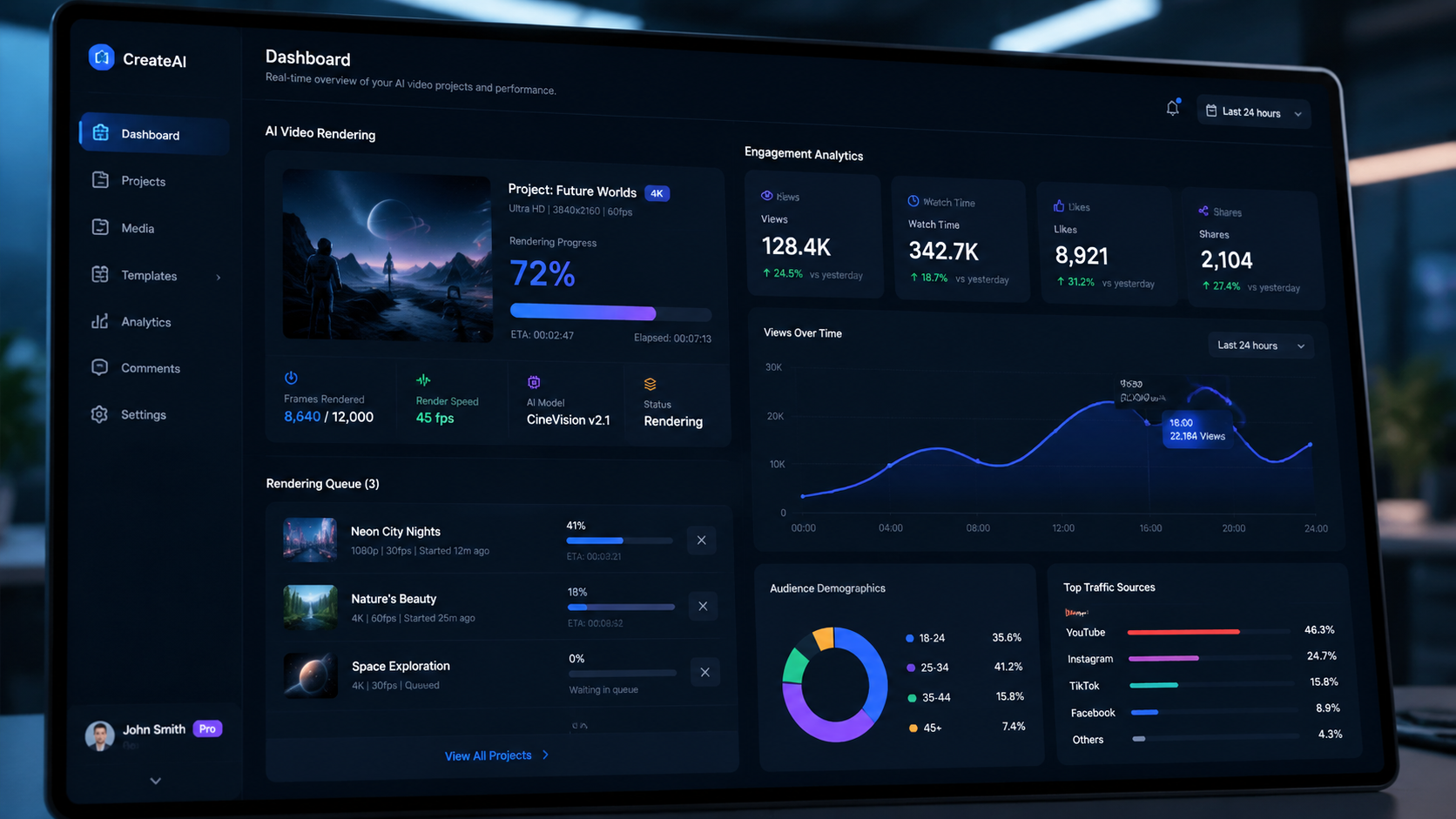
Selecting the right platform is the cornerstone of any successful ai video content creation strategy. In 2026, the market has segmented into specialized tools for social media, enterprise sales, and high-end cinematic production. TechTarget highlights 12 generative AI tools that are currently dominating the marketing and sales sectors, each offering unique capabilities for different stages of the funnel. For instance, while some tools focus on "talking head" avatars for sales training, others are designed for the high-velocity world of social media advertising.
One of the most significant developments this year is the integration of AI video generation directly into social platforms. TikTok’s addition of AI video generation to its Symphony suite, specifically through Dreamina Seedance 2.0, has changed how advertisers approach the platform. This allows for the rapid generation of "native-feeling" content that aligns with current trends without the need for a physical shoot. Understanding the strengths of these various tools is essential for optimizing your production budget and output speed.
| Platform/Tool Category | Primary Use Case | Key Feature (2026) | Target Audience |
|---|---|---|---|
| TikTok Symphony (Dreamina) | Social Media Ads | Seedance 2.0 automated versioning | Advertisers & SMBs |
| Adobe Express | Multi-channel Content | One-click AI video brand-sync | Designers & Marketers |
| Cinema-Native Generators | High-end Storytelling | Temporal consistency & 8K output | Creative Agencies |
| Sales-Focused AI (TechTarget List) | Personalized Outreach | Dynamic variable injection | B2B Sales Teams |
Integrating AI into Social Media Content Workflows
Social media remains the primary battleground for attention, and an ai video content creation strategy must be tailored to the specific nuances of each platform. As Breaking AC notes in their complete guide for creators, AI video makers for social media have evolved to understand platform-specific "vibes." This means the AI can now suggest edits, music, and pacing that align with what is currently trending on TikTok, Reels, or YouTube Shorts. The goal is to reduce the "time-to-trend" for creators, allowing them to capitalize on viral moments within hours rather than days.
The integration of Dreamina Seedance 2.0 into TikTok’s Symphony is a prime example of this evolution. Advertisers can now input a basic product description and receive multiple high-quality video variations that are optimized for the TikTok algorithm. This level of automation allows for a "spray and pray" approach to be replaced by "generate and optimize," where hundreds of variations are tested to find the highest-performing creative. This data-driven approach to creativity is a hallmark of the 2026 marketing landscape.
Key Benefits of AI-Native Social Video
- Hyper-Personalization: Creating thousands of video versions tailored to specific user interests and demographics.
- Reduced Production Costs: Eliminating the need for expensive studio time, lighting rigs, and large crews for standard social assets.
- Rapid Prototyping: Visualizing multiple creative directions in minutes to see which narrative resonates best with the target audience.
Overcoming the "Slop" Factor: Achieving Cinema Quality
A major challenge in early AI video was the lack of artistic intentionality, often referred to as "slop." However, in 2026, the focus has shifted toward "cinema-quality, AI-native storytelling." This means that the ai video content creation strategy must include a rigorous quality control layer. According to Marketing Brew, the industry has moved toward tools that offer granular control over camera angles, lighting, and character consistency. This allows creators to maintain a high-end brand image while still benefiting from the speed of AI.
To achieve this level of quality, brands are hiring "AI Cinematographers"—specialists who understand both traditional film theory and advanced prompt engineering. These professionals use AI to handle the heavy lifting of rendering and animation while they focus on the "human" elements of storytelling: pacing, emotional resonance, and subtext. By treating AI as a sophisticated camera and VFX house rather than a replacement for the director, brands can produce content that truly stands out in a crowded digital feed.
Future-Proofing Your Strategy: Beyond Text-to-Video
The future of an ai video content creation strategy lies in its ability to integrate with other data streams. Analytics Insight reports that in 2026, AI video generators are redefining digital strategy by moving "beyond text." This refers to the ability of AI to ingest real-time data—such as stock market fluctuations, weather patterns, or live sports scores—and automatically generate video content based on those inputs. This "reactive video" represents the next frontier of digital engagement.
Furthermore, the rise in adoption noted by Adobe Express suggests that AI video tools are becoming a standard part of the corporate tech stack. This means that internal communications, training, and B2B sales will increasingly rely on video as the primary medium of information exchange. A future-proof strategy must account for this by building a centralized "AI Asset Library" where brand-consistent models, voices, and environments are stored and reused across the organization to maintain a unified visual identity.
Strategic Considerations for 2027 and Beyond
As we look toward the end of the decade, the focus will likely shift from "how to make" AI video to "how to manage" it at an infinite scale. Organizations will need to invest in robust AI governance frameworks to manage the sheer volume of content being produced. This includes automated tagging, AI-driven compliance checks, and advanced rights management systems to ensure that all generated content adheres to legal and ethical standards.
What is an ai video content creation strategy?
It is a structured plan that uses generative AI tools to automate and enhance the production of video content. This strategy focuses on increasing output speed, reducing costs, and maintaining high production quality through AI-native storytelling techniques.
How has AI video changed in 2026?
In 2026, AI video has moved from low-quality "slop" to cinema-quality output. Tools like Dreamina Seedance 2.0 and Adobe Express now allow for high-fidelity, consistent, and platform-optimized video generation that rivals traditional film production.
What is TikTok Symphony's role in AI video?
TikTok Symphony integrates AI video generation tools like Dreamina Seedance 2.0 directly into the advertising workflow. This allows brands to automatically create and iterate on video ads that are specifically designed to perform well within the TikTok ecosystem.
Is AI video content creation expensive in 2026?
While high-end enterprise tools require a subscription, the overall cost of production has plummeted. By removing the need for physical sets and large crews, brands can produce significantly more content for a fraction of the traditional budget.
Why is "human-in-the-loop" important for AI video?
A human-in-the-loop ensures that the AI-generated content remains authentic, ethically sound, and aligned with the brand's emotional goals. Humans provide the creative direction and quality control that AI currently cannot replicate independently.



Comments ()