
AI Generated Video for Ads: 2026 Strategy & Best Tools
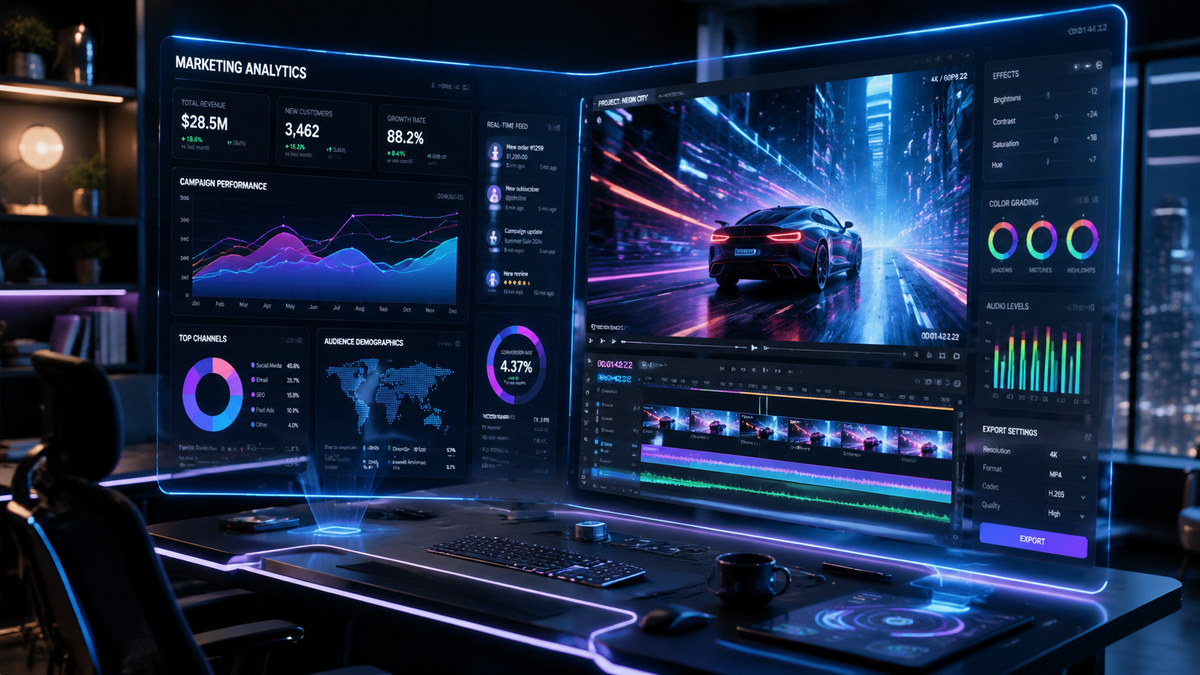
AI generated video for ads refers to the use of generative artificial intelligence models to create, edit, or personalize video content specifically designed for marketing and advertising campaigns. By leveraging deep learning and real-time rendering, brands can now produce high-quality cinematic advertisements without the traditional overhead of physical film crews, location scouting, or lengthy post-production cycles. In 2026, this technology has moved beyond simple experimentation into a core pillar of digital strategy, allowing for hyper-personalized consumer experiences at scale.
AI generated video for ads is a revolutionary marketing approach that uses generative models to automate video production. By 2026, it has become the primary method for brands to achieve democratization in advertising, enabling real-time creative iteration and personalized video messaging that adapts to viewer behavior and demographic data instantly.
- ✓ AI video tools have democratized high-end advertising, allowing smaller brands to compete with cinematic quality.
- ✓ Real-time AI video rendering is transforming creative directors into "curators" rather than just executors.
- ✓ Ethics and verification are now central to the strategy due to the rise of political and deepfake AI video content.
- ✓ New platforms like Fanomix are accelerating the speed at which AI ads reach global markets.
How to Implement AI Generated Video for Ads in 2026
The transition to AI-driven video production requires a shift in how marketing teams allocate their resources. Instead of focusing on the logistics of a one-day shoot, teams now focus on prompt engineering, asset curation, and data integration. The goal is to create a "living" ad campaign that can pivot based on performance metrics in real-time. According to the IAB's 2026 report, "The AI Ad Gap Widens," companies that have integrated AI video workflows are seeing a 40% reduction in production costs compared to those sticking to traditional methods.
To successfully launch a campaign using AI generated video for ads, follow these essential steps:
- Define Your Core Creative Assets: Upload your brand guidelines, logos, and specific product images to your AI video platform to ensure brand consistency across generated clips.
- Select a Generative Model: Choose between real-time rendering engines (like Nvidia’s latest agency tools) or high-fidelity generative models depending on whether you need speed or cinematic depth.
- Develop the Prompt Strategy: Write detailed scripts and visual descriptors. In 2026, "multimodal prompting" allows you to use a mix of text, audio, and reference images to guide the AI.
- Personalization and Iteration: Use dynamic data insertion to create thousands of versions of the same ad, each tailored to different audience segments.
- Compliance and Watermarking: Ensure all content follows the latest 2026 transparency regulations, including digital watermarking to distinguish AI content from captured footage.
- Deployment and Real-Time Optimization: Launch through platforms like Fanomix to automate distribution and let the AI swap out underperforming visual elements automatically.
The 2026 Landscape: Democratization and Real-Time Rendering

As we navigate through 2026, the primary theme in the industry is the "democratization" of video advertising. As noted by MarketingProfs in March 2026, AI video creation has leveled the playing field, allowing startups to produce visuals that were previously only accessible to Fortune 500 companies. This shift is not just about cost; it is about the speed of culture. Brands can now respond to a trending topic with a fully produced video ad within hours, rather than weeks.
The Rise of the Creative Curator
A significant shift has occurred within creative agencies. As Adweek reported in April 2026, Nvidia's new real-time AI video pitch is turning traditional creatives into "curators." Instead of spending hundreds of hours on frame-by-frame editing, designers now oversee AI swarms that generate thousands of iterations. The human role has evolved to focus on high-level emotional resonance, ethical oversight, and strategic alignment, while the AI handles the technical execution of light, shadow, and motion.
Fanomix and the Acceleration of Ad Delivery
The introduction of Fanomix by the Nomix Group in April 2026 has marked a turning point for ad delivery. This platform was specifically designed to accelerate AI-generated video advertising by bridging the gap between raw generation and programmatic ad exchanges. By automating the technical optimization of AI videos for different social media formats and streaming services, Fanomix allows brands to scale their creative output without increasing their headcount.
Comparing Top AI Video Tools for 2026 Advertising
Choosing the right toolset is critical for a 2026 strategy. The market has bifurcated into platforms that focus on "Real-Time Rendering" for dynamic ads and "Cinematic Generation" for high-impact brand storytelling. Below is a comparison of the leading features found in the current 2026 tool landscape.
| Feature Category | Real-Time Rendering Tools | Generative Cinematic Tools | Automated Scaling Platforms |
|---|---|---|---|
| Primary Use Case | Dynamic, data-driven social ads | High-budget brand films | Global multi-format campaigns |
| Key Advantage | Instant iteration based on user data | Unmatched visual fidelity | Rapid distribution and resizing |
| Human Role | Data Analyst / Curator | Director / Prompt Engineer | Media Buyer / Strategist |
| Leading Tech (2026) | Nvidia Agency Suite | Sora v3 / Runway Gen-5 | Fanomix / Nomix Group |
Ethical Challenges and the "New Political Reality"
While the benefits for commercial advertising are clear, the rise of ai generated video for ads has brought significant ethical hurdles. The year 2026 has seen a surge in "synthetic" political advertising, which has forced platforms to rethink their verification processes. For example, NBC News recently highlighted pro-Spencer Pratt mayoral campaign videos that utilized AI to create highly persuasive, yet entirely synthetic, endorsements. This "new political reality" has led to a demand for stricter disclosure labels on all AI-generated content.
The Risks of Misinformation
The darker side of this technology was evidenced in April 2026, when an anti-redistricting group used a fake AI-generated video of Representative Spanberger in a smear campaign. As reported by The Virginia Independent, these incidents have triggered a wave of new legislation requiring "AI-Generated" watermarks to be hard-coded into the metadata of video files. For advertisers, this means that transparency is no longer optional; it is a legal requirement to maintain consumer trust and avoid platform bans.
Maintaining Brand Safety
In this environment, brand safety has become more complex. Advertisers must ensure that their AI models are trained on licensed data to avoid copyright infringement. Furthermore, the "AI Ad Gap" mentioned by the IAB suggests that brands failing to implement robust "Human-in-the-loop" (HITL) workflows risk generating content that is uncanny or culturally tone-deaf. The 2026 strategy must include a rigorous ethical review board to vet all AI-generated assets before they go live.
Strategic Integration of AI Video into the Marketing Funnel
To maximize the ROI of ai generated video for ads, brands must move beyond using AI as a mere cost-cutting tool. In 2026, the most successful strategies utilize AI across the entire customer journey. At the top of the funnel, AI generates broad, eye-catching content designed to stop the scroll. As the user moves down the funnel, the AI uses retargeting data to generate specific videos that address the user's previous interactions with the brand.
Hyper-Personalization at Scale
Studies show that personalized video content has a 70% higher conversion rate than static or generic video. In 2026, this is achieved by "Dynamic Creative Optimization" (DCO). For instance, a global shoe brand can generate a video ad where the background, the weather, the music, and even the language of the narrator change based on the viewer’s GPS location and local time—all generated on-the-fly as the ad load occurs.
The Role of Synthetic Influencers
We are also seeing the rise of brand-owned synthetic influencers. Rather than hiring a human creator who might eventually face a PR crisis, brands are building their own AI-generated ambassadors. These characters are used in ai generated video for ads to provide a consistent face for the company across decades, with their appearance and personality fine-tuned based on target audience sentiment analysis.
Frequently Asked Questions
Is AI generated video for ads legal in 2026?
Yes, it is legal, but it is subject to strict transparency laws enacted in 2026. Advertisers must clearly disclose when a video has been synthetically generated or altered, especially in political or sensitive categories, to comply with global consumer protection standards.
How does real-time AI video differ from traditional video ads?
Real-time AI video is rendered at the moment of consumption, allowing the content to change based on viewer data. Traditional video ads are pre-recorded, static files that remain the same regardless of who is watching them.
What is the "AI Ad Gap"?
The AI Ad Gap, as defined by the IAB in 2026, refers to the growing competitive distance between companies that have adopted AI-driven production and those that haven't. Early adopters benefit from significantly lower costs and much higher creative agility.
Can AI video tools create realistic human presenters?
By 2026, AI video models have reached a level of "photorealism" where it is nearly impossible for the human eye to distinguish a synthetic presenter from a real one. This has led to the widespread use of AI avatars in corporate training and social media advertising.
What is Fanomix?
Fanomix is a specialized platform unveiled by the Nomix Group in April 2026. It is designed to accelerate the deployment of AI-generated video ads by automating the optimization and distribution process across various digital advertising networks.



Comments ()